Via della Conciliazione is a prominent thoroughfare in Rome, Italy, that serves as a symbolic link between the Italian capital and the Vatican City. This grand avenue stretches approximately 420 meters, connecting Largo Giovanni XXIII to Piazza Pio XII, just adjacent to the renowned St. Peter’s Square. The street was conceived as part of a broader urban renewal initiative during the 20th century, marking a significant moment in Italian history by commemorating the Lateran Pacts of 1929, which resolved long-standing tensions between the Italian State and the Holy See.
Designed by architects Marcello Piacentini and Attilio Spaccarelli, Via della Conciliazione was constructed beginning in 1936, following the demolition of the historic “Spina di Borgo.” This urban transformation was part of a larger fascist-era plan to modernize Rome’s historic centers, characterized by the monumental style that Piacentini championed. The avenue’s creation was not without controversy, as it led to the loss of much of the original urban fabric of the Borgo district, including several historic buildings. Despite this, Via della Conciliazione remains a vital artery, offering a dramatic approach to one of the world’s most iconic religious sites.
Description of Via della Conciliazione
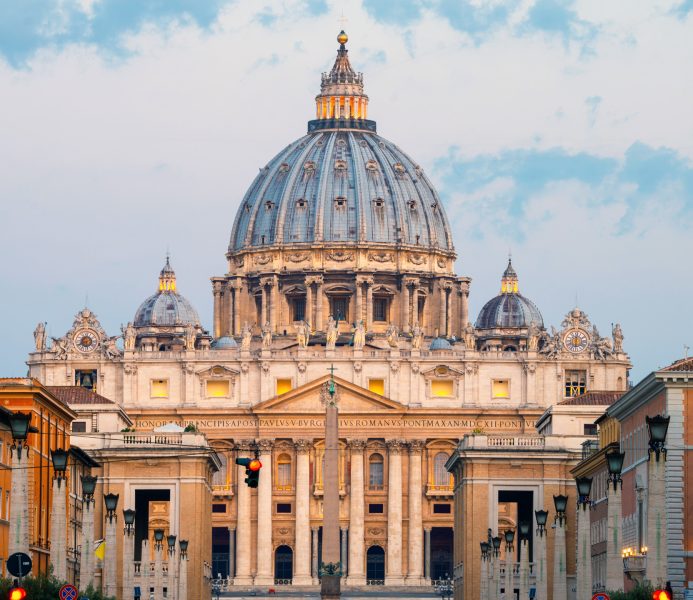
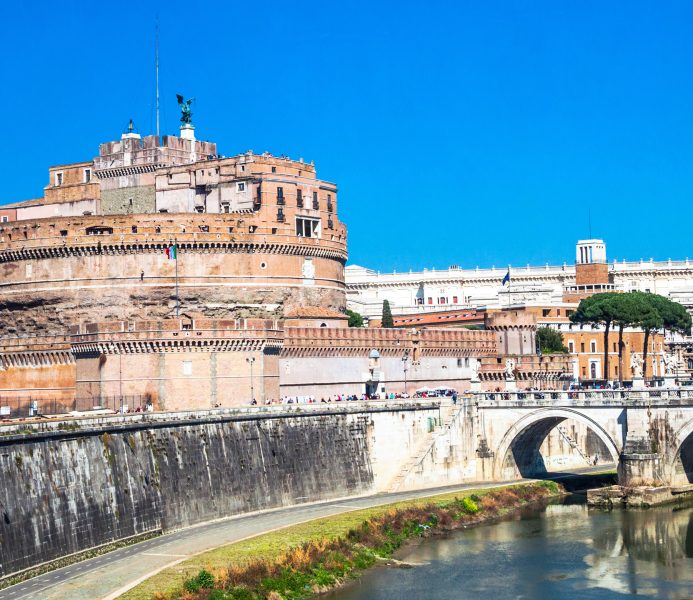
Via della Conciliazione stands as a significant thoroughfare in Rome, offering a unique blend of history and architecture that draws visitors from around the world. As tourists stroll along this iconic street, they are greeted by a harmonious blend of neoclassical architecture and modern urban design. The street’s layout, which stretches approximately 420 meters, provides a direct visual connection between Castel Sant’Angelo and St. Peter’s Basilica, creating a dramatic approach to one of the most revered religious sites in the world. Visitors can explore the rich architectural heritage that lines the street, including several notable palaces and churches that reflect the historical evolution of this area.
Walking down Via della Conciliazione, tourists can immerse themselves in the grandeur of its urban planning, which was part of a larger vision by the architects Marcello Piacentini and Attilio Spaccarelli. This vision was realized in the early 20th century, following the demolition of the “Spina di Borgo,” a densely built medieval neighborhood. The street’s design reflects the monumental ambitions of the era, with its wide, straight path flanked by imposing buildings that echo the neoclassical style. The use of sampietrini paving stones adds a touch of traditional Roman character to the street, inviting visitors to contemplate the interplay between past and present.
Architectural Highlights of Via della Conciliazione
One of the most striking features of Via della Conciliazione is its architectural coherence, achieved through the use of uniform building heights and harmonious facades. The Palazzo dei Penitenzieri, located on the southern side of the street, is a prime example of Renaissance architecture, showcasing intricate stonework and elegant proportions. This building, along with others like the Palazzo Serristori and Palazzo Cesi-Armellini, offers visitors a glimpse into the architectural styles that have shaped Rome over the centuries.
As tourists continue their journey, they can admire the Chiesa di Santa Maria in Transpontina, a Baroque church that stands as a testament to the city’s rich religious heritage. The church’s facade, adorned with classical elements, provides a striking contrast to the more austere lines of the surrounding neoclassical structures. Inside, visitors can explore the church’s ornate interior, which features beautiful frescoes and intricate altarpieces.
Points of Interest for Tourists
Beyond its architectural allure, Via della Conciliazione offers several points of interest that captivate tourists. The Auditorium Conciliazione, located near the end of the street, is a cultural hub that hosts a variety of concerts and events throughout the year. This venue provides an opportunity for visitors to experience Rome’s vibrant cultural scene while enjoying the street’s historical ambiance.
Another notable feature is the Palazzo Castellesi, a Renaissance palace that has been meticulously preserved and now serves as a center for various cultural activities. Its grand facade and historical significance make it a must-see for those interested in the architectural evolution of the area. Additionally, the street’s proximity to St. Peter’s Basilica allows tourists to easily access one of the most iconic religious sites in the world, further enhancing the appeal of Via della Conciliazione as a destination for both cultural and spiritual exploration.
Curious Elements to Highlight
While Via della Conciliazione is renowned for its historical and architectural significance, it also features several curious elements that intrigue visitors. One such element is the subtle line of travertine that runs across Piazza Pio XII, marking the boundary between Italy and Vatican City. This line serves as a physical reminder of the complex relationship between the two states and adds an intriguing layer of historical context to the street.
Additionally, the street’s lighting fixtures, designed in the shape of obelisks, pay homage to Rome’s ancient past while providing a modern touch to the urban landscape. These unique lamp posts not only illuminate the street but also contribute to its aesthetic appeal, creating a visually striking environment that enhances the overall experience for visitors. As tourists explore Via della Conciliazione, they are encouraged to take note of these subtle yet significant details that enrich their understanding of this remarkable thoroughfare.
History of Via della Conciliazione
Via della Conciliazione, a prominent street in Rome, serves as a symbolic link between the Italian capital and the Vatican City. Its creation was a significant urban development project in the 20th century, reflecting the complex relationship between the Italian state and the Catholic Church. The street’s history is marked by bold architectural decisions, political agreements, and cultural transformations, each contributing to its current form and significance.
The Renaissance Era: Borgo Nuovo and Borgo Vecchio (1499)
The origins of Via della Conciliazione can be traced back to the Renaissance period when Pope Alexander VI inaugurated the Borgo Nuovo in 1499. This new street was intended to enhance the approach to St. Peter’s Basilica, redirecting traffic from the older Borgo Vecchio. The construction of Borgo Nuovo was a part of a broader urban plan to improve the Vatican’s accessibility, reflecting the era’s architectural ambitions and the Church’s influence over Rome’s urban landscape.
This period saw the establishment of a more structured and organized urban environment in the Vatican area. The creation of Borgo Nuovo was a significant step in the development of the city, setting the stage for future transformations. It was during this time that the area began to take on a more defined character, with new buildings and streets contributing to its evolving identity.
The Lateran Treaty and the Fascist Vision (1929-1937)
The Lateran Treaty of 1929 marked a pivotal moment in the history of Via della Conciliazione. This agreement between the Kingdom of Italy and the Holy See resolved longstanding disputes, paving the way for new urban developments. The treaty’s significance extended beyond politics, influencing the architectural and cultural landscape of Rome.
In the 1930s, under the regime of Benito Mussolini, the vision for Via della Conciliazione began to take shape. The project aimed to create a grand avenue that would symbolize the reconciliation between the Italian state and the Vatican. Architects Marcello Piacentini and Attilio Spaccarelli were tasked with designing the street, which involved the demolition of the historic “Spina di Borgo.” This bold move was part of a broader fascist initiative to modernize Rome, reflecting the regime’s desire to leave a lasting architectural legacy.
Construction and Controversy (1936-1950)
The construction of Via della Conciliazione commenced in 1936, following the approval of the project by the Roman authorities. The demolition of the Spina di Borgo, a densely built area with historical significance, was met with both support and criticism. This urban intervention was emblematic of the fascist regime’s approach to city planning, characterized by monumentalism and a disregard for historical preservation.
Despite the controversy, the project continued, with the street being officially established in 1937. The construction process involved significant changes to the urban fabric of the Borgo district, including the relocation and reconstruction of several historical buildings. By 1950, the street was completed with the installation of distinctive lamp posts shaped like obelisks, marking the final touch to this ambitious urban project.
Post-War Developments and Modern Significance (1950-Present)
Following World War II, Via della Conciliazione emerged as a symbol of Rome’s resilience and transformation. The street became a vital thoroughfare, connecting the heart of Rome with the Vatican and serving as a backdrop for numerous religious and state events. Its architectural style, characterized by neoclassical elements, reflects the aesthetic preferences of the mid-20th century, blending historical references with modernist influences.
In recent years, Via della Conciliazione has continued to evolve, with ongoing efforts to enhance its accessibility and cultural significance. The street remains a focal point for visitors to Rome, offering a unique perspective on the city’s rich history and its enduring relationship with the Vatican. As a testament to its historical and cultural importance, Via della Conciliazione stands as a living monument to the complex interplay between politics, religion, and architecture in Rome’s urban narrative.
Visiting Via della Conciliazione
Approaching the Iconic Avenue
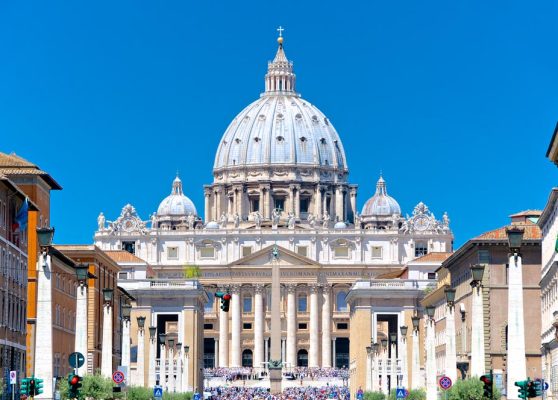
Visitors to Via della Conciliazione will find themselves at the heart of a historically significant area in Rome, where the avenue serves as a grand connector between Largo Giovanni XXIII and Piazza Pio XII, leading directly to the majestic St. Peter’s Basilica. This wide boulevard, lined with elegant buildings and historical landmarks, provides a direct and unobstructed view of the basilica, creating a dramatic and memorable approach to one of the world’s most revered religious sites.
The avenue is easily accessible on foot, offering a pleasant stroll for those coming from the nearby Castel Sant’Angelo or the banks of the Tiber River. Public transportation options, including buses and metro services, facilitate access to the area, making it a convenient starting point for exploring the wider Vatican City and its surroundings.
Experiencing the Historical Context
As visitors walk along Via della Conciliazione, they are immersed in a landscape rich with historical significance. The avenue itself is a testament to the Patti Lateranensi of 1929, which marked the reconciliation between the Italian state and the Vatican. This monumental urban planning project, executed under the guidance of architects Marcello Piacentini and Attilio Spaccarelli, reflects the architectural ambitions of the early 20th century.
While the original baroque charm of the area was altered during the construction of the avenue, the current layout offers a unique perspective on Rome’s urban development. The avenue’s design, with its symmetrical layout and neoclassical elements, invites reflection on the interplay between historical preservation and modernization.
Nearby Attractions and Practical Tips
Via della Conciliazione is a gateway to numerous attractions beyond the immediate vicinity of St. Peter’s Basilica. Visitors can explore the nearby Palazzo dei Penitenzieri, Chiesa di Santa Maria in Transpontina, and the Auditorium Conciliazione, each offering its own historical and architectural insights. The area is also dotted with cafes and shops, providing opportunities for rest and refreshment.
For those planning to visit the Vatican Museums or the Sistine Chapel, Via della Conciliazione serves as a strategic starting point. It is advisable to wear comfortable footwear, as the area is best explored on foot, allowing for a leisurely pace to fully appreciate the architectural grandeur and historical depth of the surroundings. Visitors should also be mindful of the avenue’s open-air nature, preparing for varying weather conditions during their visit.