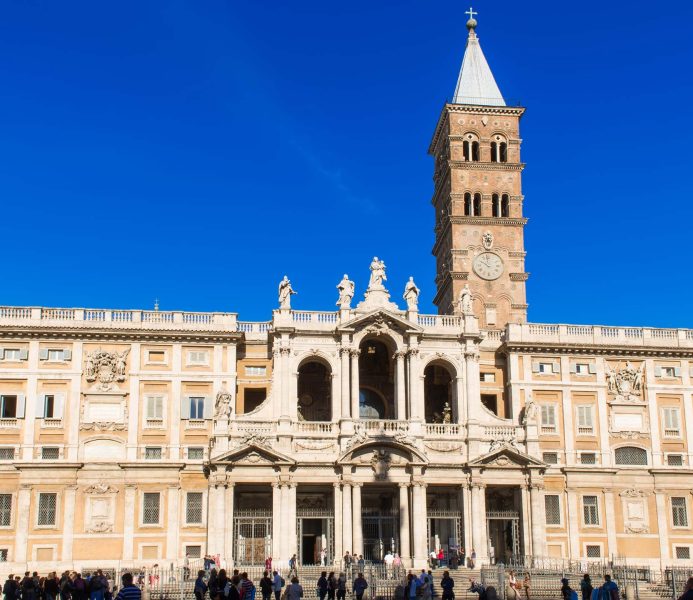
Tivoli, a distinguished Italian municipality, is nestled within the metropolitan city of Rome in the Lazio region. With a population of over 55,000 residents, Tivoli is celebrated for its rich historical tapestry and cultural significance. The town’s origins trace back to the ancient Latin city of Tibur, famously mentioned by Virgil in the “Aeneid” with the epithet “Tibur Superbum.” This historical reference underscores Tivoli’s longstanding prominence and its claim of an origin predating even that of Rome.
The town is strategically positioned on the slopes of the Tiburtini Mountains, offering a breathtaking view of the Roman countryside. Tivoli’s geographical and historical significance is further accentuated by its proximity to the natural reserve of Monte Catillo and the cascading waters of the Aniene River. This unique setting has made Tivoli a focal point for both ancient and modern visitors, drawn by its architectural marvels such as the Villa d’Este and Villa Adriana, both recognized as UNESCO World Heritage Sites. These sites exemplify Tivoli’s enduring legacy as a center of art, culture, and historical intrigue.
Description of Tivoli
Tivoli, a town nestled in the Lazio region, is renowned for its rich tapestry of history, architecture, and natural beauty. Visitors to Tivoli can immerse themselves in a journey through time, exploring its ancient ruins, opulent villas, and vibrant cultural heritage. The town offers a unique blend of architectural marvels and artistic treasures, making it a must-visit destination for those interested in history and culture. Among its many attractions, the UNESCO World Heritage sites of Villa Adriana and Villa d’Este stand out as prime examples of the town’s historical significance and artistic grandeur.
Beyond these well-known landmarks, Tivoli is also home to a variety of other points of interest, including the Rocca Pia, a fortress that speaks to the town’s medieval past, and the Santuario di Ercole Vincitore, an ancient sanctuary that highlights Tivoli’s role as a cultural and religious center in antiquity. Visitors can also enjoy the natural beauty of the surrounding area, with the Aniene River cascading through the town, creating picturesque waterfalls and lush landscapes. Tivoli’s unique location and diverse attractions make it a captivating destination for tourists seeking to explore the architectural and artistic heritage of the region.
Villa Adriana
Villa Adriana, or Hadrian’s Villa, is an expansive archaeological site that offers a glimpse into the opulent lifestyle of the Roman Emperor Hadrian. Situated on the outskirts of Tivoli, this vast complex was constructed in the 2nd century AD and served as a retreat for the emperor. The villa is a testament to Roman engineering and architectural prowess, featuring an array of structures that include palaces, temples, baths, and gardens. Visitors can explore the remains of the Maritime Theatre, a circular island structure that once housed Hadrian’s private quarters, as well as the Canopus, a long reflecting pool surrounded by colonnades and statues.
The architectural layout of Villa Adriana reflects Hadrian’s fascination with diverse cultures, as it incorporates elements from Greek, Egyptian, and Roman architecture. The site is a marvel of ancient design, showcasing the emperor’s vision of a utopian retreat. Despite the passage of time, the ruins of Villa Adriana continue to captivate visitors with their grandeur and historical significance, offering a unique window into the past.
Villa d’Este
Villa d’Este is a masterpiece of Renaissance architecture and garden design, renowned for its elaborate fountains and lush gardens. Commissioned by Cardinal Ippolito II d’Este in the 16th century, the villa is a testament to the artistic and cultural achievements of the Renaissance period. The gardens of Villa d’Este are particularly famous for their intricate water features, including the iconic Fountain of Neptune and the Hundred Fountains, which create a symphony of water and light.
The villa itself is adorned with frescoes and decorative elements that reflect the opulence and sophistication of the era. Visitors can explore the various rooms and halls, each offering a glimpse into the life of the cardinal and the artistic tastes of the time. The harmonious blend of architecture and nature at Villa d’Este makes it a quintessential example of Renaissance garden design, attracting tourists and art enthusiasts from around the world.
Rocca Pia
The Rocca Pia is a medieval fortress that dominates the skyline of Tivoli. Built in the 15th century by Pope Pius II, the fortress was designed to protect the town from external threats and assert papal authority. The Rocca Pia is characterized by its robust stone walls and imposing towers, which offer panoramic views of the surrounding landscape. Visitors can explore the fortress and learn about its historical significance as a symbol of Tivoli’s strategic importance during the Middle Ages.
Today, the Rocca Pia stands as a reminder of Tivoli’s turbulent past, offering a stark contrast to the town’s more serene and artistic attractions. The fortress is a popular destination for history buffs and those interested in medieval architecture, providing insight into the defensive strategies and architectural styles of the period.
Santuario di Ercole Vincitore
The Santuario di Ercole Vincitore, or the Sanctuary of Hercules the Victor, is an ancient religious site that highlights Tivoli’s role as a cultural and religious center in antiquity. Built in the 2nd century BC, the sanctuary was dedicated to Hercules, a deity revered for his strength and heroism. The site features a large temple and a series of terraces that overlook the Aniene River, offering stunning views of the surrounding area.
The sanctuary is a testament to the architectural and engineering skills of the ancient Romans, with its massive columns and intricate stonework. Visitors can explore the remains of the temple and learn about the religious practices and cultural significance of the site. The Santuario di Ercole Vincitore is a fascinating destination for those interested in ancient history and archaeology, providing a glimpse into the spiritual life of the Roman Empire.
Natural Beauty and Waterfalls
Tivoli is not only a town of historical and architectural significance but also a place of natural beauty. The Aniene River flows through the town, creating a series of picturesque waterfalls that have captivated visitors for centuries. The most famous of these is the Cascata Grande, a majestic waterfall that plunges into the valley below, surrounded by lush vegetation and rocky cliffs.
Visitors can enjoy the natural beauty of the area by exploring the Parco Villa Gregoriana, a park that offers walking trails and breathtaking views of the waterfalls and surrounding landscape. The park is a haven for nature lovers and those seeking a peaceful retreat from the hustle and bustle of city life. Tivoli’s unique combination of natural beauty and cultural heritage makes it a truly enchanting destination for tourists.
History of Tivoli
Tivoli, a city steeped in history, has witnessed the rise and fall of empires and the ebb and flow of civilizations. Its strategic location and rich natural resources have made it a focal point of historical events and cultural developments throughout the centuries. From its ancient origins to its role in the Roman Empire, and through the tumultuous periods of the Middle Ages and beyond, Tivoli has continually evolved, reflecting the broader historical currents of the region.
The city’s history is a tapestry woven with threads of myth, conquest, and cultural flourishing. It has been a site of religious significance, a center of Roman luxury, and a battleground for medieval power struggles. Each era has left its mark, contributing to the rich cultural and architectural heritage that Tivoli boasts today.
Ancient Origins and Roman Era (Before 1st Century AD)
The origins of Tivoli, known in antiquity as Tibur, are shrouded in legend and myth. According to tradition, the city was founded by the Aborigines, an ancient Italic tribe, and later fortified by the Siculi. The strategic location of Tibur, overlooking the Aniene River, made it a significant settlement long before the rise of Rome. The city is mentioned by the poet Virgil in the “Aeneid” as “Tibur Superbum,” highlighting its prominence and pride.
During the Roman era, Tibur became a favored retreat for the Roman elite, drawn by its natural beauty and therapeutic waters. The construction of grand villas, such as the renowned Villa Adriana commissioned by Emperor Hadrian, exemplified the city’s status as a luxurious haven. Tibur’s integration into the Roman Republic and later the Empire marked a period of prosperity, with the city serving as a key commercial and cultural hub.
Middle Ages and the Rise of Feudalism (5th – 15th Century)
The fall of the Roman Empire ushered in a period of decline for Tivoli, as it did for much of the Italian peninsula. The city faced invasions and plundering by various barbarian tribes, leading to a contraction of its population and influence. However, Tivoli’s strategic location ensured its continued importance as a fortified settlement. During the Middle Ages, the city became embroiled in the power struggles between the Papacy and the Holy Roman Empire, often aligning with the Ghibelline faction.
In the 15th century, Tivoli experienced a revival under the patronage of the Este family, particularly through the efforts of Cardinal Ippolito II d’Este. The construction of the magnificent Villa d’Este, with its elaborate gardens and fountains, marked a renaissance in the city’s cultural and architectural landscape. This period also saw the strengthening of Tivoli’s defenses, with the construction of the imposing Rocca Pia by Pope Pius II to assert papal authority.
Modern Era and Industrialization (16th – 19th Century)
The modern era brought significant changes to Tivoli, as the city adapted to the shifting political and economic landscape of Italy. The unification of Italy in the 19th century and the subsequent industrial revolution had a profound impact on Tivoli’s economy and infrastructure. The exploitation of the Aniene River for hydroelectric power marked the city’s transition into an industrial center, with the establishment of paper mills and other manufacturing enterprises.
Despite these advancements, Tivoli maintained its cultural heritage and continued to attract visitors drawn to its historical sites and natural beauty. The city’s integration into the newly unified Italian state brought both challenges and opportunities, as it navigated the complexities of modernization while preserving its rich historical legacy.
Contemporary Period and Cultural Heritage (20th Century – Present)
The 20th century was a period of transformation and resilience for Tivoli. The city endured the challenges of two World Wars, with significant damage during the Second World War due to its strategic importance. Post-war reconstruction efforts focused on revitalizing Tivoli’s economy and infrastructure, while also preserving its historical and cultural sites.
Today, Tivoli is celebrated as a city of art and culture, recognized for its UNESCO World Heritage sites, including Villa Adriana and Villa d’Este. The city’s rich history and architectural splendor continue to attract scholars, tourists, and heritage enthusiasts from around the world, ensuring that Tivoli remains a vibrant and enduring symbol of Italy’s historical and cultural heritage.
Visiting Tivoli
Approaching Tivoli
Visitors approaching Tivoli will be greeted by a landscape that harmoniously blends natural beauty with historical grandeur. The town is nestled on the slopes of the Monti Tiburtini, offering panoramic views of the Campagna Romana. As you arrive, the cascading waters of the Aniene River create a natural spectacle, with the famous waterfall visible from various vantage points. This natural setting provides a serene backdrop to the town’s historical sites, making the approach to Tivoli a memorable experience.
The accessibility to Tivoli is facilitated by a network of roads and public transportation options that connect it to Rome and other nearby towns. While the journey itself is straightforward, it is advisable to plan for potential traffic, especially during peak tourist seasons. The town’s layout encourages exploration on foot, allowing visitors to fully immerse themselves in its historical ambiance.
Exploring the Historical Sites
Tivoli is renowned for its rich tapestry of historical sites, each offering a glimpse into the past. A visit to the Villa d’Este, a UNESCO World Heritage site, is a must. Known for its Renaissance architecture and elaborate gardens, the villa is accessible via ticketed entry, allowing visitors to wander through its lush landscapes and admire the intricate fountains. The Villa Adriana, another UNESCO site, offers a more expansive exploration of ancient Roman architecture, with guided tours available to enhance the experience.
While some sites, like the Rocca Pia, may only be observable from the outside due to ongoing restorations, they still contribute to the town’s historical narrative. Visitors are encouraged to include these sites in a broader itinerary that may also feature the Sanctuary of Hercules Victor and the Temple of Vesta, both of which can be appreciated for their architectural significance and historical context.
Practical Tips for Visitors
When visiting Tivoli, it is essential to wear comfortable footwear, as the town’s cobbled streets and hilly terrain can be challenging. The climate can vary, so dressing in layers is recommended to accommodate changes in weather throughout the day. While exploring, visitors should remain respectful of the historical sites and adhere to any guidelines provided by site staff.
For those interested in a more in-depth understanding of Tivoli’s history, guided tours are available and can provide valuable insights into the town’s cultural heritage. Additionally, visitors may wish to explore the local cuisine, with numerous eateries offering traditional dishes that reflect the region’s culinary traditions. This combination of historical exploration and cultural immersion ensures a comprehensive and enriching visit to Tivoli.