-
Location:
Via del Commercio, 9/11
-
Built by:
Built by Ansaldo between 1935 and 1937
-
What to see:
Gazometro structure, Luxometro, Eni 2050 Lab
-
Opening hours:
Freely accessible (24 hours)
-
Transport:
Bus. Metro station: Piramide (B)
The Gazometro di Roma, an emblematic structure within the Ostiense district, stands as a testament to Rome’s industrial heritage. Constructed between 1935 and 1937 by the renowned Ansaldo company, it was once the largest gasometer in Italy. This monumental structure, with its towering height of 89.10 meters, became a significant symbol of the city’s industrial prowess and a prominent example of industrial archaeology.
Originally commissioned by the Società Anglo-Romana per l’Illuminazione di Roma col Gas ed altri sistemi, the Gazometro played a crucial role in the city’s gas supply. Over the decades, it has transformed from a functional industrial facility into a cultural and artistic icon. The surrounding area, spanning over 12 hectares, has undergone extensive urban regeneration, further enhancing its status as a vibrant hub for innovation and creativity. The Gazometro continues to capture the imagination of visitors and locals alike, serving as a bridge between Rome’s industrious past and its dynamic future.
Description of Gazometro
The Gazometro of Rome, a monumental structure located in the Ostiense district, stands as a testament to the city’s industrial past. Its towering metal framework, once a functional gas holder, now serves as a symbol of industrial heritage and a point of interest for both locals and tourists. Visitors to the Gazometro can explore the vast area surrounding the structure, which has been repurposed for cultural and artistic events, providing a unique blend of history and modernity. The site offers a glimpse into Rome’s industrial evolution, with its intricate metalwork and expansive layout inviting exploration and reflection.
Tourists visiting the Gazometro can engage in a variety of activities, from guided tours that delve into its historical significance to attending events that transform the space into a vibrant cultural hub. The area is not only a relic of the past but also a canvas for contemporary artistic expression, as seen in the innovative use of lighting and installations that adorn the structure. This blend of old and new makes the Gazometro a compelling destination for those interested in architecture, history, and the arts.
Architectural Features of the Gazometro
The architectural design of the Gazometro is characterized by its robust iron framework, a hallmark of early 20th-century industrial architecture. Constructed between 1935 and 1937 by the renowned Italian engineering company Ansaldo, the structure reaches a height of 89.10 meters, making it an imposing presence in the Roman skyline. The Gazometro’s cylindrical form is supported by a lattice of steel beams, showcasing the engineering prowess of its time. This intricate network of metal not only provided the necessary support for the gas holder but also contributes to its aesthetic appeal, with the interplay of light and shadow creating a dynamic visual experience.
The Gazometro’s design is both functional and symbolic, reflecting the industrial ambitions of Rome during the early 20th century. Its sheer size and scale are indicative of the city’s rapid growth and modernization, while the use of durable materials like steel and iron underscores the importance of resilience and longevity in industrial construction. Visitors can appreciate the craftsmanship involved in its construction, with each beam and joint meticulously crafted to ensure structural integrity and stability.
Artistic and Cultural Transformations
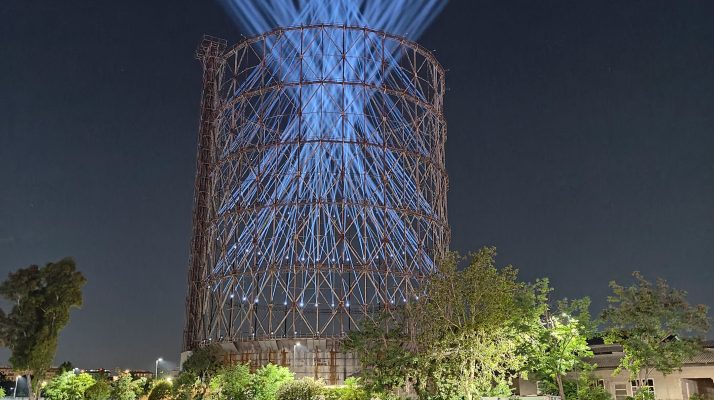
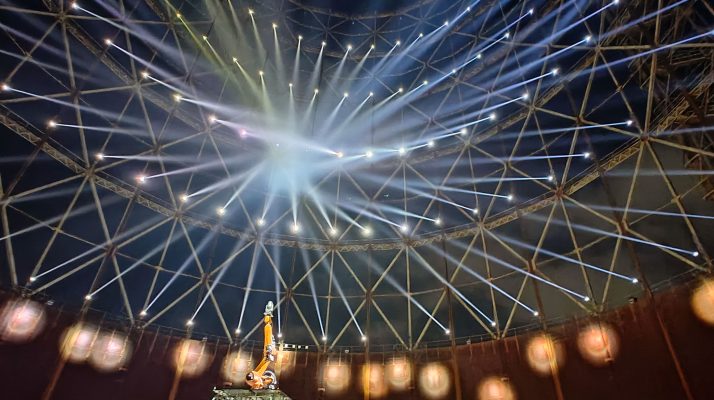
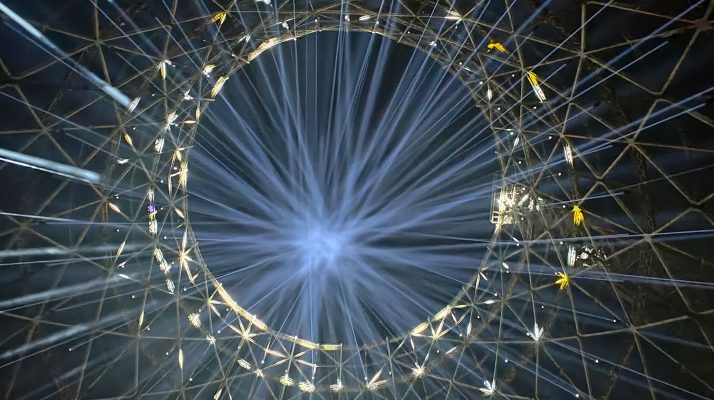
In recent years, the Gazometro has undergone a significant transformation, evolving from a utilitarian structure into a cultural landmark. One of the most notable artistic interventions is the “Luxometro,” an installation that bathes the Gazometro in a mesmerizing display of light. This artistic endeavor utilizes over a million LED lights, strategically placed along the structure’s framework to create a captivating visual spectacle. The Luxometro not only highlights the architectural features of the Gazometro but also redefines it as a beacon of contemporary art and innovation.
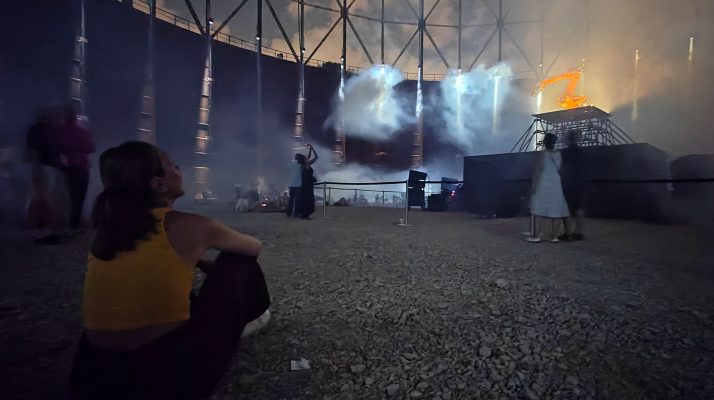
The cultural significance of the Gazometro is further enhanced by its role as a venue for various events and exhibitions. The expansive area surrounding the structure provides ample space for outdoor performances, art installations, and community gatherings. This adaptive reuse of the site has breathed new life into the Gazometro, transforming it from an industrial relic into a dynamic cultural hub. Visitors can experience a diverse range of events, from music festivals to art exhibitions, all set against the backdrop of this iconic structure.
Points of Interest for Tourists
For tourists, the Gazometro offers a unique opportunity to explore a lesser-known aspect of Rome’s architectural heritage. The site is not only a testament to the city’s industrial past but also a platform for contemporary artistic expression. Visitors can take guided tours that provide insight into the history and significance of the Gazometro, as well as its role in the broader context of Rome’s urban development. These tours often include access to areas not typically open to the public, allowing for a deeper appreciation of the structure’s architectural and historical nuances.
In addition to its architectural and artistic appeal, the Gazometro is also a point of interest for those interested in urban regeneration and adaptive reuse. The site’s transformation from an industrial facility to a cultural landmark serves as a model for sustainable development and heritage preservation. Tourists can witness firsthand the innovative ways in which historical structures can be repurposed to meet the needs of contemporary society, making the Gazometro a thought-provoking destination for those interested in the intersection of history, architecture, and modernity.
The Historical Evolution of Gazometro
The Gazometro, an iconic structure in the Ostiense district of Rome, stands as a testament to the city’s industrial past and its ongoing transformation. Originally constructed in the early 20th century, the Gazometro has witnessed numerous changes, reflecting the broader historical and technological shifts in Italy. Its evolution from a functional industrial facility to a symbol of cultural and technological innovation highlights its significance in the urban landscape of Rome.
Early Conception and Construction (1909-1937)
The inception of the Gazometro can be traced back to 1909 when the project was initiated alongside the establishment of a gas plant, which later became the Roman headquarters of Italgas. This ambitious project was driven by the vision of Ernesto Nathan, the then mayor of Rome, who sought to modernize the city’s infrastructure. The construction of the Gazometro itself was carried out between 1935 and 1937 by the renowned Ansaldo company, in collaboration with the German firm Klonne Dortmund. This period marked the Gazometro as the largest of its kind in Italy, with a towering height of 89.10 meters and a gas capacity of 200,000 cubic meters.
The Gazometro’s structural design was a marvel of engineering, featuring a robust metal framework that became a distinctive feature of the Roman skyline. The site also included three smaller gasometers, constructed earlier by Samuel Cuttler & Sons of London between 1910 and 1912, each with varying capacities. These structures collectively underscored the industrial prowess of Rome during this era, serving the city’s growing energy needs efficiently.
Post-War Decline and Ownership Transition (1967-Present)
Following World War II, the Gazometro continued to operate but gradually faced obsolescence as advancements in energy technology reduced the reliance on gas storage facilities. By 1967, the area encompassing the Gazometro came under the ownership of Eni, following the acquisition of Italgas through its subsidiary Snam. This transition marked the beginning of a new chapter for the Gazometro, as it slowly shifted from an active industrial site to a relic of the past.
Despite its decline in functional use, the Gazometro’s imposing structure remained a significant landmark. The removal of the gas-holding cylinder left behind a skeletal frame that continued to capture the imagination of architects and urban planners. This period set the stage for future redevelopment and reimagining of the Gazometro as a cultural and technological hub.
Revitalization and Cultural Renaissance (2006-Present)
The early 21st century heralded a new era for the Gazometro, as efforts to revitalize the area gained momentum. In 2006, the Comune di Roma, in collaboration with Eni, embarked on a transformative project to redefine the Gazometro’s role in the city. This initiative included the creation of the “Luxometro,” a contemporary art installation that adorned the Gazometro with over a million LED lights, symbolizing its rebirth as a cultural icon.
Further developments ensued in the following years, with the establishment of the Joule business school and the ZERO startup accelerator, both focusing on sustainable energy and innovation. The Gazometro also became a venue for significant events like the Maker Faire Rome, highlighting its role as a center for technological advancement. In 2023, the launch of the ROAD (Rome Advanced District) project solidified the Gazometro’s status as a hub for scientific research and innovation, ensuring its continued relevance in Rome’s dynamic urban landscape.
Visiting Gazometro
Current Condition and Accessibility
The Gazometro di Roma, a prominent example of industrial archaeology, stands as a testament to the city’s rich industrial past. While the structure itself is not open for internal visits, its imposing metal framework can be admired from the surrounding area. The site is accessible to the public, allowing visitors to appreciate its architectural grandeur from various vantage points in the Ostiense district.
Visitors should be aware that the Gazometro is primarily an outdoor attraction. The area surrounding the Gazometro has been revitalized, offering a unique blend of historical significance and modern urban development. As such, it is best experienced as part of a walking tour through the district, where one can also explore other nearby landmarks and attractions.
Integration with Broader Itinerary
Located in the vibrant Ostiense district, the Gazometro is ideally positioned for inclusion in a broader itinerary exploring Rome’s industrial heritage. The district is home to several other notable sites, such as the Centrale Montemartini, a former power plant now serving as a museum showcasing classical sculptures alongside industrial machinery.
Visitors can also explore the nearby Piramide di Caio Cestio, an ancient pyramid-shaped tomb, and the Protestant Cemetery, where notable figures such as the poets John Keats and Percy Bysshe Shelley are buried. These attractions, combined with the Gazometro, provide a comprehensive insight into the diverse historical layers of Rome.
Practical Tips for Visitors
When visiting the Gazometro, it is advisable to wear comfortable footwear, as the area is best explored on foot. The district’s mix of industrial and contemporary art installations makes it a fascinating area for photography enthusiasts.
Public transportation options are available for reaching the Ostiense district, making it convenient for tourists to incorporate the Gazometro into their travel plans. While the site does not require an entrance fee, guided tours of the surrounding area can enhance the visitor experience by providing historical context and insights into the significance of the Gazometro within Rome’s industrial narrative.