The Galleria Sciarra stands as a remarkable testament to the architectural evolution of Rome, nestled in the historic Trevi district. Constructed between 1886 and 1888, this exquisite edifice embodies the Umberto I style, reflecting a period of significant transformation as Rome embraced its new role as the capital of Italy. The gallery, designed by the esteemed architect Giulio De Angelis, serves as a pedestrian passageway, offering a glimpse into the opulence of late 19th-century Roman architecture.
Commissioned by Prince Maffeo Sciarra, the Galleria Sciarra was envisioned as a sophisticated extension of his noble residence. This architectural gem, adorned with intricate Liberty-style decorations, showcases the artistic collaboration between painter Giuseppe Cellini and the literary scholar Giulio Salvatori. The gallery’s frescoes celebrate the virtues of womanhood, while its structure, featuring iron and glass elements, pays homage to classical antiquity. Today, the Galleria Sciarra remains a hidden treasure, accessible to the discerning visitor who seeks to explore Rome’s rich cultural heritage beyond its more renowned landmarks.
Description of Galleria Sciarra
The Galleria Sciarra, located in the heart of Rome, offers visitors a unique glimpse into the architectural and artistic heritage of the city. As a covered pedestrian passage, it serves not only as a functional thoroughfare but also as a canvas showcasing the rich decorative styles of the late 19th century. Tourists can admire the intricate details of its design, from the iron and glass vault to the vibrant frescoes that adorn its walls. The galleria is a testament to the fusion of classical and modern elements, providing an immersive experience for those interested in the evolution of architectural styles.
Visitors to Galleria Sciarra can explore its various sections, each offering a distinct perspective on the artistic and architectural innovations of its time. The galleria’s layout and design reflect the broader cultural and historical context of Rome during the period of its construction, making it a point of interest not only for its aesthetic qualities but also for its historical significance. The following sections delve into the architectural and artistic features that make Galleria Sciarra a noteworthy destination for both tourists and scholars alike.
Architectural Features and Design
The architecture of Galleria Sciarra is characterized by its quadrangular layout, which is covered by a striking iron and glass vault. This design choice not only allows natural light to flood the space but also highlights the influence of Liberty style—an Italian variant of Art Nouveau—on the galleria’s construction. The use of iron, a material that was gaining popularity in architectural circles at the time, underscores the modernity of the structure while maintaining a connection to classical forms through its decorative elements.
At each entrance, visitors are greeted by imposing columns made of cast iron, which serve as both structural supports and decorative features. These columns, along with the intricate ironwork of the vault, demonstrate the skill and innovation of the architect Giulio De Angelis, who was known for his adept use of modern materials. The combination of traditional and modern elements in the galleria’s design reflects the broader architectural trends of the late 19th century, when Rome was undergoing significant urban transformation.
Artistic Decorations and Frescoes
The walls of Galleria Sciarra are adorned with a series of frescoes painted by Giuseppe Cellini, which are among the most striking features of the passage. These frescoes, executed in the encausto technique, depict allegorical representations of feminine virtues such as “La Pudica” (The Modest), “La Sobria” (The Sober), and “La Forte” (The Strong). The choice of themes reflects the cultural values of the period, emphasizing idealized qualities and roles of women in society.
In addition to these allegorical figures, the frescoes also include scenes of contemporary bourgeois life, such as “La Cura del Giardino” (The Care of the Garden) and “Il Pranzo Domestico” (The Domestic Meal). These depictions provide insight into the daily life and social customs of the era, offering a window into the past for today’s visitors. The combination of allegorical and everyday scenes creates a rich tapestry of visual storytelling that enhances the galleria’s cultural and historical significance.
Cultural and Historical Context
The creation of Galleria Sciarra was commissioned by Prince Maffeo Barberini Colonna di Sciarra, a prominent figure in Roman society during the late 19th century. His vision for the galleria was to create a space that not only connected his properties but also reflected the artistic and cultural aspirations of the time. The galleria’s construction coincided with a period of rapid urban development in Rome, as the city adapted to its new status as the capital of a unified Italy.
This context is crucial for understanding the architectural and artistic choices made in the design of Galleria Sciarra. The emphasis on modern materials and techniques, combined with a reverence for classical themes, mirrors the broader cultural shifts occurring in Rome during this period. For visitors, the galleria offers a tangible connection to this transformative era in the city’s history, making it a compelling destination for those interested in both art and architecture.
Points of Interest for Tourists
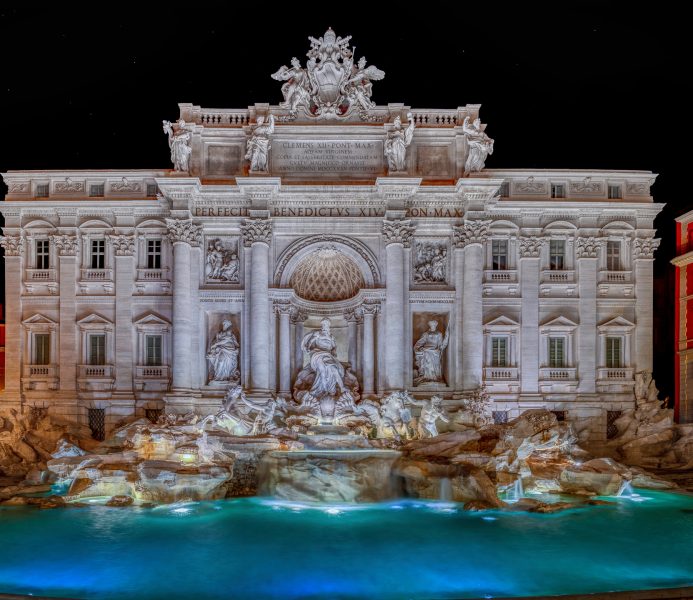
One of the most intriguing aspects of Galleria Sciarra is its proximity to other notable Roman landmarks, such as the Fontana di Trevi. Despite its central location, the galleria remains a relatively undiscovered gem, offering a quieter and more intimate experience compared to the bustling tourist sites nearby. Visitors can enjoy the galleria’s serene atmosphere while taking in the intricate details of its design and decoration.
Additionally, the galleria’s connection to historical figures such as Gabriele D’Annunzio, who once directed a literary magazine from within its walls, adds another layer of interest for those exploring Rome’s cultural heritage. The galleria’s role as a hub for artistic and intellectual activity during its heyday is a testament to its enduring significance in the city’s cultural landscape. For tourists, a visit to Galleria Sciarra offers not only a visual feast but also a deeper understanding of Rome’s rich artistic and historical tapestry.
History of Galleria Sciarra
The Galleria Sciarra, nestled in the heart of Rome, is a testament to the city’s rich architectural and cultural evolution. Originally part of a noble estate, the Galleria has undergone significant transformations, reflecting the broader historical shifts in Rome from the late 19th century to the present day. Its development is a fascinating journey through time, marked by the ambitions of its patrons and the artistic vision of its creators.
This historical overview will delve into the various phases of the Galleria’s existence, from its origins as part of the Palazzo Sciarra Colonna di Carbognano to its current status as a celebrated example of Liberty architecture in Rome. Through these periods, the Galleria has not only served as a functional space but also as a canvas for artistic expression and a symbol of Rome’s adaptation to modernity.
Origins and Early Development (Late 16th – Early 17th Century)
The area where Galleria Sciarra now stands was once part of a larger estate that included the Porticus Vipsania, an ancient Roman structure. This site, historically significant, was home to various civil and sacred buildings, including temples and patrician residences. By the late 16th century, the land was developed into a noble palace, showcasing the architectural grandeur typical of the era.
The original palace was renowned for its opulence, with intricate architectural details that made it one of the most prominent buildings in Rome. Its grand entrance was famously recognized as one of the city’s architectural marvels. This early phase set the foundation for what would eventually become the Galleria Sciarra, embodying the wealth and influence of its noble patrons.
Transformation and Modernization (1885-1888)
The transformation of the palace into the Galleria Sciarra occurred during a period of significant urban development in Rome, following its designation as the capital of unified Italy. The project was commissioned by Prince Maffeo Barberini Colonna di Sciarra, a prominent figure in both political and cultural circles. His vision was to create a modern space that would connect his properties and reflect the cultural renaissance of the time.
Architect Giulio De Angelis was entrusted with this ambitious project. De Angelis, known for his innovative use of iron and glass, designed a quadrangular courtyard covered by a glass and iron vault. This design not only provided a functional pedestrian passage but also served as a striking example of the emerging Liberty style, characterized by its decorative elegance and classical references.
Cultural and Artistic Significance (Late 19th – Early 20th Century)
The Galleria Sciarra quickly became a cultural hub, housing the editorial offices of the newspaper La Tribuna and later the literary magazine Cronaca Bizantina, directed by the renowned writer Gabriele D’Annunzio. This period marked the Galleria’s role as a center of intellectual and artistic activity, attracting prominent figures from the literary and political spheres.
The interior of the Galleria was adorned with frescoes by Giuseppe Cellini, depicting allegorical figures representing feminine virtues, a tribute to the prince’s mother, Carolina Colonna Sciarra. These artworks, along with scenes of bourgeois life, reflected the cultural aspirations and social dynamics of the era, making the Galleria a microcosm of the broader societal changes occurring in Rome.
Restoration and Preservation (Late 20th Century – Present)
By the late 20th century, the Galleria Sciarra underwent significant restoration to address structural concerns while preserving its historical and artistic integrity. The restoration, completed in the 1970s, involved reinforcing the building with modern materials while meticulously conserving the original decorative elements, including the frescoes and iron structures.
Today, the Galleria Sciarra stands as a cherished architectural gem in Rome, open to the public and admired for its historical and artistic significance. It continues to be a testament to the city’s ability to blend its rich heritage with contemporary needs, serving as a vibrant reminder of Rome’s enduring legacy as a center of culture and innovation.
Visiting Galleria Sciarra
Approaching the Galleria
Visitors to the Galleria Sciarra will find it nestled in the heart of Rome, within the bustling rione Trevi. This architectural gem is located near the renowned Fontana di Trevi, making it an ideal stop for those exploring the historic center of the city. The entrances to the Galleria are discreetly positioned on Via Marco Minghetti and Piazza dell’Oratorio, offering a subtle invitation to those who seek it out.
As you approach the Galleria, the surrounding area presents a blend of historical and modern influences, with nearby attractions such as the Teatro Quirino and the Banco di Roma. This makes the Galleria Sciarra a perfect inclusion in a broader itinerary that explores both the cultural and architectural heritage of Rome.
Experiencing the Interior
The Galleria Sciarra is a covered pedestrian passage, open to the public during office hours. Upon entering, visitors are greeted by an enchanting quadrangular courtyard, enveloped by a canopy of iron and glass. This structure, designed by the architect Giulio De Angelis, showcases the elegance of Art Nouveau style, with its intricate details and harmonious blend of materials.
Inside, the walls are adorned with vibrant frescoes painted by Giuseppe Cellini, depicting themes of virtue and daily life from the late 19th century. These artistic elements serve as a testament to the cultural richness of the era and provide a captivating visual experience for those who wander through the Galleria.
Practical Tips for Visitors
While the Galleria Sciarra is accessible to the public, it is important to note that it functions primarily as an office space. Visitors should be mindful of the working environment and respect the privacy of those who occupy the surrounding offices. Photography is generally permitted, allowing visitors to capture the stunning architectural and artistic features of the Galleria.
For those planning a visit, consider combining the Galleria Sciarra with nearby attractions such as the Galleria Alberto Sordi or the historic Porticus Vipsania. These sites offer further insights into Rome’s architectural evolution and cultural history, enriching the overall experience of exploring the city.