-
Location:
Via Quattro Novembre 119/a, Rome
-
Built by:
Cardinal Michele Bonelli in the late 16th century
-
What to see:
Domus Romane, art collections, archaeological findings
-
-
Transport:
Bus. Metro station: Colosseo (B)
Palazzo Valentini, an architectural gem nestled in the heart of Rome, stands as a testament to the city’s rich historical tapestry. Located on Via Quattro Novembre, in close proximity to the iconic Piazza Venezia, this magnificent edifice has served as a pivotal site for both governance and culture since its inception in the late 16th century. The palace was originally commissioned by Cardinal Michele Bonelli, a prominent figure of his time and nephew of Pope Pius V. Bonelli’s vision transformed the area, which was once plagued by marshlands, into a vibrant urban space, laying the groundwork for the future development of the Fori Imperiali.
The evolution of Palazzo Valentini continued through the centuries, with significant contributions from various owners and architects. In the 18th century, under the ownership of Cardinal Giuseppe Spinelli, the palace became a hub for intellectual and artistic endeavors, housing the renowned Imperiali Library. The 19th century saw its acquisition by Vincenzo Valentini, whose enhancements to the structure further solidified its status as a cultural landmark. Today, Palazzo Valentini not only embodies the architectural brilliance of its era but also serves as a gateway to Rome’s ancient past, with its subterranean archaeological treasures offering a glimpse into the lives of Rome’s imperial elite.
Description of Palazzo Valentini
Palazzo Valentini, an architectural gem nestled in the heart of Rome, offers visitors a unique glimpse into the city’s rich history through its meticulously preserved structures and artistic treasures. As tourists traverse its corridors, they are greeted by a harmonious blend of Renaissance architecture and archaeological wonders that narrate the story of Rome’s evolution over centuries. The palazzo’s distinct architectural features and the captivating remnants of ancient Roman life make it a compelling destination for those interested in both history and art. Visitors can explore the grand facades, intricate interior designs, and the fascinating Domus Romane, which reveal the opulent lifestyle of Rome’s elite during the Imperial era.
Upon entering Palazzo Valentini, tourists are immediately struck by the grandeur of its architectural design. The palazzo’s exterior, characterized by its trapezoidal layout, is a testament to the architectural ingenuity of the Renaissance period. Inside, the palazzo houses a wealth of artistic and historical artifacts, including the renowned Domus Romane, which have been carefully preserved and presented with the aid of modern technology. These elements, combined with the palazzo’s historical significance, make it an essential stop for anyone seeking to understand the cultural and architectural heritage of Rome.
Architectural Features of Palazzo Valentini
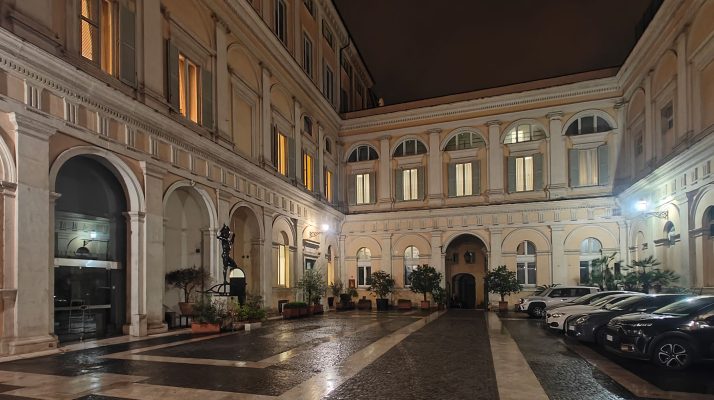
The architectural design of Palazzo Valentini is a remarkable example of Renaissance ingenuity, crafted under the guidance of Domenico Paganelli. The building’s trapezoidal shape is both functional and aesthetically pleasing, allowing it to fit seamlessly into the urban landscape of Rome. The grand portico, adorned with travertine columns, serves as a majestic entrance, inviting visitors into the palazzo’s opulent interior. The facade, with its elegant symmetry, is punctuated by a series of windows and a prominent balcony, which offers a commanding view of the surrounding area.
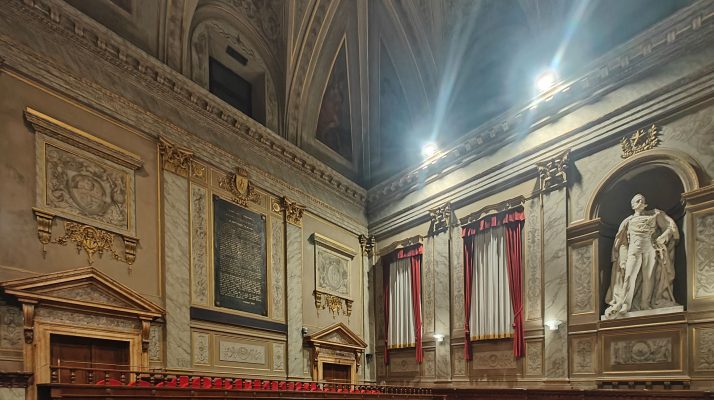
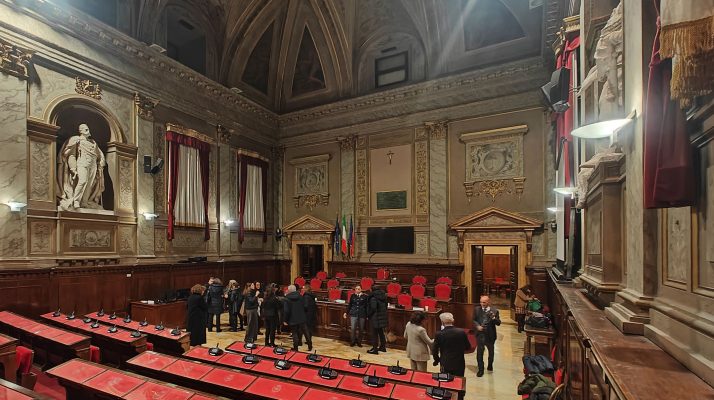
Inside, the palazzo’s layout is organized around a central courtyard, which is surrounded by a two-tiered portico. The courtyard, with its classical proportions and Doric columns, provides a tranquil space for reflection and appreciation of the palazzo’s architectural beauty. The interior rooms are equally impressive, featuring ornate ceilings, intricate frescoes, and a rich collection of art and artifacts that reflect the tastes and interests of the palazzo’s historical inhabitants. These elements combine to create an atmosphere of grandeur and sophistication, making Palazzo Valentini a true masterpiece of Renaissance architecture.
The Artistic Heritage of Palazzo Valentini
Palazzo Valentini is not only an architectural marvel but also a repository of artistic treasures that offer insights into the cultural history of Rome. Among the most notable features is the collection of sculptures and artworks that adorn the palazzo’s halls and chambers. The statue of Ulisse by Ugo Attardi, along with the works of Sandro Chia, including the depictions of Enea and Anchise, and Europa, are prominently displayed at the entrance, welcoming visitors with their artistic grandeur.
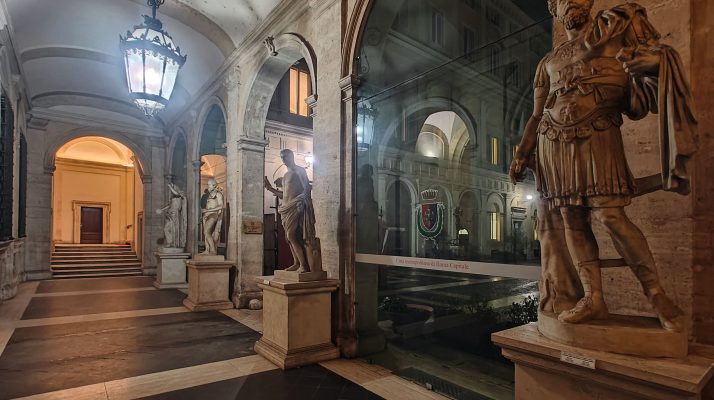
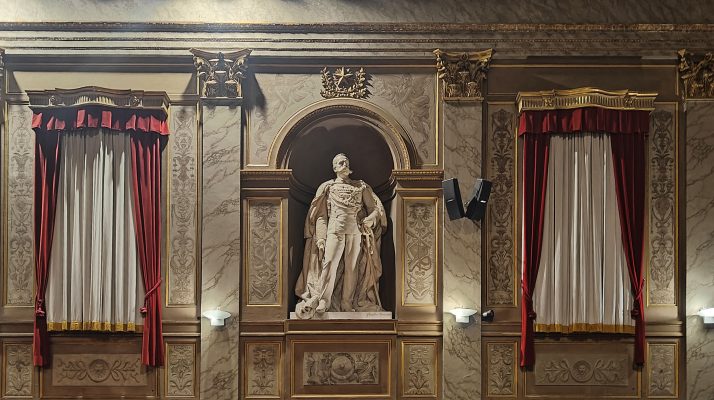
In addition to these modern works, the palazzo houses a significant collection of classical sculptures, including representations of Afrodite-Arianna, Marco Aurelio, Caracalla, and Pertinace. These statues, carefully restored and relocated to the portico for better preservation, provide a tangible connection to Rome’s ancient past. The palazzo’s artistic heritage is further enriched by the decorative elements that embellish its interiors, including frescoes and stucco work that reflect the artistic trends of the Renaissance and Baroque periods.
The Domus Romane: A Window into Ancient Rome
One of the most intriguing aspects of Palazzo Valentini is its subterranean archaeological site, known as the Domus Romane. These ancient Roman houses, dating back to the Imperial era, offer a fascinating glimpse into the domestic life of Rome’s elite. The site, located approximately seven meters below the current street level, has been meticulously excavated and preserved, revealing a complex network of rooms and corridors that once formed part of a luxurious residential complex.
The Domus Romane are renowned for their richly decorated interiors, featuring intricate mosaics, frescoed walls, and elaborate floor designs. Visitors can explore the various rooms, including the calidarium, tepidarium, and frigidarium, which were part of the private bath complex. The site also includes a small pool and a finely decorated mosaic, showcasing the artistic prowess of ancient Roman craftsmen. Through a combination of virtual reconstructions and multimedia displays, visitors can experience the grandeur of these ancient homes and gain a deeper understanding of the lifestyle and culture of Rome’s aristocracy.
Interactive Experiences and Educational Opportunities
Palazzo Valentini offers a range of interactive experiences and educational opportunities that enhance the visitor experience. The use of modern technology, including virtual reconstructions and multimedia presentations, brings the history of the palazzo and its inhabitants to life. These interactive elements, curated by experts such as Piero Angela, Paco Lanciano, and Gaetano Capasso, provide an engaging and informative experience for visitors of all ages.
Through guided tours and educational programs, visitors can delve deeper into the history and significance of Palazzo Valentini. These programs are designed to provide a comprehensive understanding of the palazzo’s architectural and artistic heritage, as well as its role in the broader context of Roman history. By offering a blend of historical insight and modern technology, Palazzo Valentini ensures that visitors leave with a lasting appreciation for the rich cultural heritage of Rome.
History of Palazzo Valentini
Palazzo Valentini, located in the heart of Rome, stands as a testament to the city’s rich historical tapestry. This architectural marvel has witnessed numerous transformations since its inception in the late 16th century, reflecting the evolving political and cultural landscape of Rome. From its origins as a cardinal’s residence to its current role as the seat of the Metropolitan City of Rome Capital, Palazzo Valentini embodies the enduring legacy of Rome’s architectural and historical heritage.
The Bonelli Era and Initial Construction (Late 16th Century)
The story of Palazzo Valentini begins with Cardinal Michele Bonelli, a prominent figure of the late Renaissance period and the nephew of Pope Pius V. In 1585, Cardinal Bonelli acquired a pre-existing structure from Giacomo Boncompagni, located at the edge of what was then Piazza Santi Apostoli. Under the architectural guidance of Domenico Paganelli, the palazzo was designed with a trapezoidal layout, which was a distinctive feature of the era’s architectural style.
Cardinal Bonelli’s vision extended beyond the palazzo itself, as he embarked on an ambitious urban development project. This included the reclamation of the surrounding area, known as “Pantano,” which was prone to flooding. His efforts laid the groundwork for what would later become the “Quartiere Alessandrino,” named in his honor. This neighborhood, however, was eventually demolished in the early 20th century to make way for the construction of Via dei Fori Imperiali.
Expansion and Cultural Flourishing (17th to 18th Century)
Throughout the 17th century, Palazzo Valentini underwent significant renovations and expansions under the patronage of Cardinal Carlo Bonelli and Michele Ferdinando Bonelli. These enhancements reflected the growing importance of the palazzo as a cultural and intellectual hub. The 18th century saw the palazzo leased to notable figures such as Marchese Francesco Maria Ruspoli, who transformed it into a vibrant cultural center. During his tenure, the palazzo hosted illustrious musicians like Georg Friedrich Händel, Alessandro Scarlatti, and Arcangelo Corelli, establishing its reputation as a premier venue for the arts.
In 1752, the palazzo was purchased by Cardinal Giuseppe Spinelli, who further enriched its cultural offerings by opening the extensive Imperiali Library to the public. This library, comprising over 24,000 volumes, attracted scholars and intellectuals, including the renowned art historian Johann Joachim Winckelmann.
The Valentini Acquisition and Architectural Enhancements (19th Century)
The 19th century marked a new chapter in the history of Palazzo Valentini with its acquisition by Vincenzo Valentini, a Prussian consul and banker. Valentini’s tenure was characterized by significant architectural enhancements, including the completion of the palazzo’s rear facing the Colonna Traiana, overseen by architects Filippo Navone and Giovanni Battista Benedetti. These developments solidified the palazzo’s status as a prominent architectural landmark in Rome.
Vincenzo’s son, Gioacchino Valentini, continued the legacy of expansion between 1861 and 1865, commissioning architect Luigi Gabet to design additional structures along Via di Sant’Eufemia. These enhancements further integrated the palazzo into the urban fabric of Rome, reflecting the city’s dynamic growth during this period.
Public Ownership and Modern Transformation (Late 19th to 21st Century)
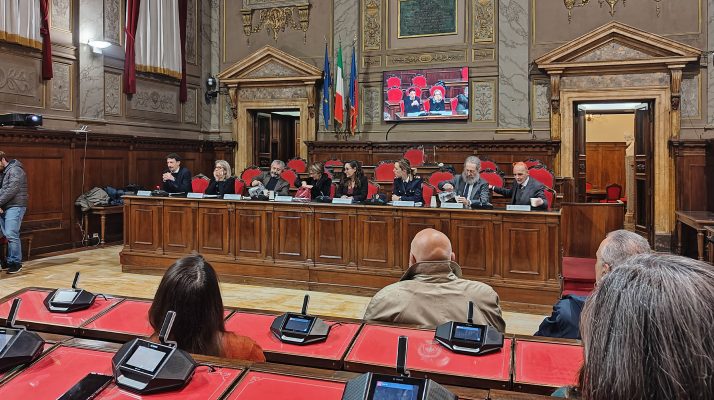
In 1873, the palazzo transitioned into public ownership when it was acquired by the Deputazione Provinciale di Roma. Architect Luigi Gabet was again enlisted to complete the building’s extension along Via de’ Fornari. This acquisition marked the beginning of the palazzo’s role as the administrative seat of the Province of Rome, a function it continues to serve today as the headquarters of the Metropolitan City of Rome Capital.
The 21st century has seen a renewed focus on the preservation and enhancement of Palazzo Valentini’s historical and cultural significance. Extensive archaeological excavations have uncovered the remains of ancient Domus Romane, offering a glimpse into the opulent lifestyles of Rome’s imperial elite. These discoveries, coupled with modern conservation efforts, ensure that Palazzo Valentini remains a vital link to Rome’s storied past, while continuing to serve as a center for governance and cultural heritage.
Visiting Palazzo Valentini
Approaching the Site
Visitors approaching Palazzo Valentini will find it nestled in the heart of Rome, strategically located near Piazza Venezia. This proximity to one of Rome’s most vibrant squares makes it an accessible point of interest for those exploring the city’s historical center. The palazzo’s impressive facade on Via Quattro Novembre immediately captures attention with its elegant architectural details, including a grand portico and a series of finely crafted windows.
As you make your way towards the entrance, take a moment to appreciate the historical significance of the surrounding area. The vicinity is rich with remnants of ancient Rome, offering a glimpse into the city’s storied past. The palazzo itself stands as a testament to the architectural evolution that has taken place over centuries, from its origins in the late 16th century to its current role as a cultural landmark.
Inside the Palazzo
Once inside Palazzo Valentini, visitors are invited to embark on a journey through time, exploring the Domus Romane, a remarkable archaeological discovery beneath the palazzo. These ancient Roman houses, dating back to the imperial era, have been meticulously preserved and enhanced with modern technology to offer an immersive experience. The use of virtual reconstructions, lighting effects, and informative displays provides a vivid portrayal of life in ancient Rome, making it a must-see for history enthusiasts.
The guided tour through the Domus Romane is a ticketed experience, ensuring that visitors receive a comprehensive understanding of the site’s historical context and significance. The tour is expertly curated, with contributions from renowned figures such as Piero Angela and his team, who have brought the ancient world to life through innovative storytelling techniques.
Contextual Tips for Visitors
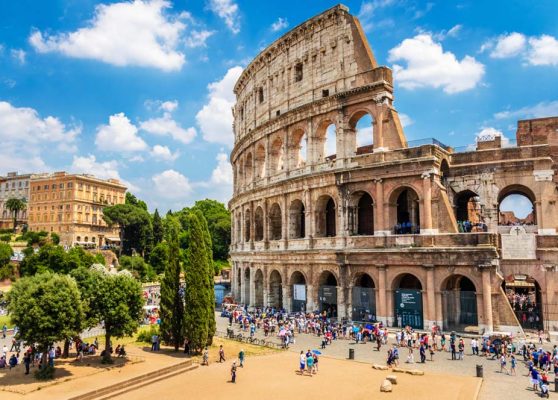
When planning a visit to Palazzo Valentini, consider integrating it into a broader itinerary that includes nearby attractions such as the Roman Forum and the Colosseum. This area of Rome is a treasure trove of historical sites, each offering unique insights into the city’s rich heritage. By combining these visits, tourists can gain a deeper appreciation for the architectural and cultural achievements of ancient Rome.
For those interested in art and history, the palazzo’s collection of sculptures and artworks, including pieces by Ugo Attardi and Sandro Chia, provides an additional layer of cultural enrichment. While exploring the site, take note of the thoughtful restoration efforts that have preserved these works for future generations. As always, visitors are encouraged to respect the site’s historical integrity by adhering to any guidelines or restrictions in place during their visit.