The Domus Aurea, or “Golden House,” stands as a monumental testament to the architectural ambition of Emperor Nero following the devastating fire of 64 AD that ravaged much of Rome. This opulent urban villa, constructed between the hills of the Palatine, Esquiline, and Celio, was designed to reflect Nero’s grandeur and vision. The villa’s name derives from the extensive use of gold and other precious materials in its construction, symbolizing the emperor’s desire for a residence that would surpass all others in magnificence.
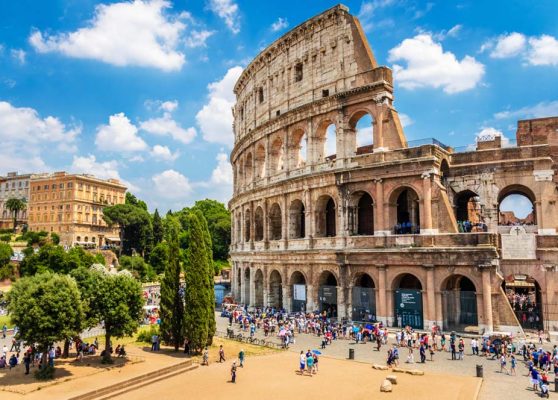
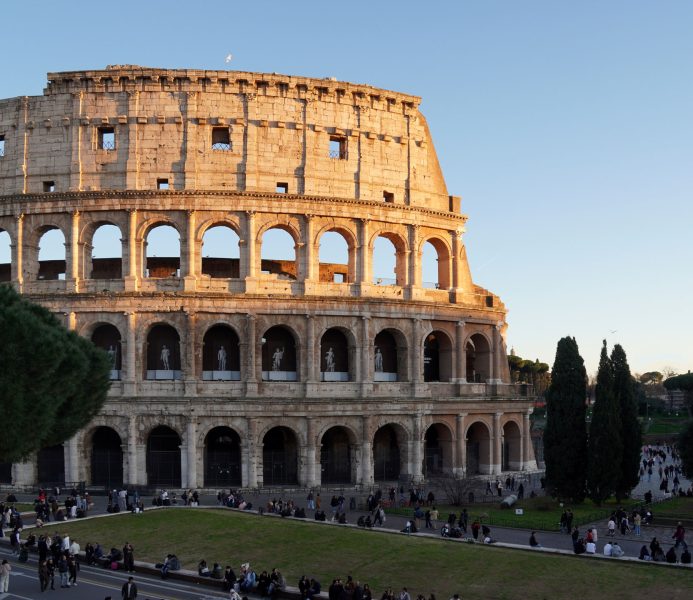
Although the Domus Aurea was never fully completed, it featured an array of gardens, pavilions, and a central artificial lake, which later became the site of the Colosseum. Following Nero’s death, the villa was largely dismantled as subsequent emperors sought to erase his legacy and return the land to the Roman people. Today, the surviving elements of the Domus Aurea, buried beneath the Baths of Trajan, offer a glimpse into the lavish lifestyle and architectural innovation of ancient Rome, earning it a place on the UNESCO World Heritage list.
Description of Domus Aurea
The Domus Aurea, or “Golden House,” stands as a testament to the grandeur and ambition of Emperor Nero’s architectural vision. This monumental villa, although largely hidden beneath the cityscape of modern Rome, offers a glimpse into the opulence of Roman imperial architecture. Visitors to the site can explore the remains of this once lavish residence, which includes a series of interconnected rooms adorned with frescoes and intricate stucco work. The Domus Aurea is not only a marvel of ancient engineering but also a cultural treasure that continues to captivate historians and tourists alike.
Upon visiting the Domus Aurea, tourists can participate in guided tours that delve into the villa’s history and architectural significance. The tours often highlight the innovative use of space and light within the complex, as well as the artistic techniques employed in its decoration. Notable features include the octagonal room, known for its ingenious design, and the various chambers that once served as venues for Nero’s extravagant banquets and entertainments. These tours provide an opportunity to appreciate the scale and complexity of the Domus Aurea, while also offering insights into the daily life and cultural practices of ancient Rome.
Octagonal Room
The Octagonal Room is one of the most celebrated architectural features of the Domus Aurea. This space exemplifies the innovative design and engineering prowess of Nero’s architects, Severus and Celer. The room is characterized by its unique octagonal shape and a central dome that allows light to filter down into the space, creating a dynamic interplay of light and shadow. This architectural feat was achieved through the use of a sophisticated concrete construction technique, which enabled the creation of a large, open space without the need for supporting columns.
Visitors to the Octagonal Room can observe the remnants of the original frescoes and stucco decorations that once adorned the walls and ceiling. These artworks, although faded with time, provide a glimpse into the lavish aesthetic that defined the Domus Aurea. The room’s design also includes a series of niches and alcoves, which were likely used to display statues and other decorative elements. The Octagonal Room serves as a testament to the artistic and architectural innovation of the Roman Empire, offering a rare insight into the opulence of Nero’s reign.
Frescoes and Stucco Decorations
The artistic decorations of the Domus Aurea are among its most remarkable features, showcasing the skill and creativity of Roman artists. The villa’s walls and ceilings were originally covered with vibrant frescoes, depicting a variety of scenes ranging from mythological narratives to intricate patterns and designs. These artworks were executed using a technique known as “grotesque,” which involved the use of fantastical and whimsical imagery to create a sense of wonder and opulence.
In addition to the frescoes, the Domus Aurea also featured elaborate stucco work, which added texture and depth to the villa’s interiors. The stucco decorations often included motifs such as floral patterns, geometric designs, and figures from Roman mythology. Although many of these artworks have been lost to time, the surviving fragments continue to offer valuable insights into the artistic practices of ancient Rome. Visitors to the Domus Aurea can explore these remnants, gaining an appreciation for the craftsmanship and artistic vision that defined this extraordinary residence.
The Pavilion on the Oppio Hill
The pavilion on the Oppio Hill is a significant component of the Domus Aurea, representing the private quarters of Nero’s grand residence. This area of the villa was designed to provide a luxurious retreat for the emperor, featuring a series of interconnected rooms that were lavishly decorated and equipped with the latest amenities of the time. The pavilion’s layout reflects the Roman emphasis on comfort and leisure, with spaces dedicated to dining, relaxation, and entertainment.
Tourists visiting the pavilion can explore the remains of its architectural features, including the intricate mosaics and marble floors that once adorned the rooms. The pavilion also offers a glimpse into the technological advancements of the Roman Empire, with evidence of sophisticated heating and plumbing systems that provided comfort and convenience to its inhabitants. The pavilion on the Oppio Hill serves as a testament to the luxury and innovation that characterized the Domus Aurea, offering a fascinating insight into the lifestyle of Rome’s elite.
The Nymphaeum and Temple of the Divine Claudius
The Nymphaeum, located adjacent to the Temple of the Divine Claudius, is another notable feature of the Domus Aurea. This grand fountain complex was designed to impress visitors with its scale and beauty, featuring a series of cascading water features and decorative elements. The Nymphaeum was an integral part of the villa’s landscape, providing a serene and picturesque setting for relaxation and contemplation.
Visitors to the site can observe the remnants of the Nymphaeum’s architectural features, including the marble columns and decorative niches that once adorned the structure. The nearby Temple of the Divine Claudius, although largely in ruins, offers a glimpse into the religious and cultural practices of ancient Rome. Together, these structures highlight the Domus Aurea’s role as a center of both luxury and spirituality, reflecting the multifaceted nature of Nero’s grand vision.
History of Domus Aurea
The Domus Aurea, or “Golden House,” stands as a testament to the grandeur and ambition of the Roman Empire under Emperor Nero. This opulent villa, constructed in the aftermath of the Great Fire of Rome in 64 AD, was designed to reflect Nero’s vision of a majestic imperial residence. Over the centuries, the Domus Aurea has witnessed significant historical transformations, from its initial construction to its eventual burial beneath later architectural developments. Its history is a tapestry of imperial ambition, public resentment, and architectural innovation.
Initially conceived as a lavish urban villa, the Domus Aurea was an architectural marvel that sprawled across the heart of ancient Rome. Its construction marked a pivotal moment in Roman history, as it symbolized both the zenith of Nero’s power and the beginning of his downfall. Subsequent emperors, driven by political necessity and public sentiment, sought to erase Nero’s legacy, leading to the partial demolition and repurposing of the site. Today, the Domus Aurea remains a significant archaeological site, offering insights into the complexities of Roman imperial architecture and the socio-political dynamics of the era.
The Construction and Vision of Nero (64-68 AD)
Following the catastrophic Great Fire of Rome in 64 AD, Emperor Nero seized the opportunity to construct an imperial residence that would eclipse all others in magnificence. The Domus Aurea was conceived as a sprawling complex that extended across the Palatine, Esquiline, and Caelian hills. This ambitious project was not merely a palace but a vast landscape of gardens, pavilions, and artificial lakes, embodying Nero’s vision of a “villa marittima” in the heart of Rome. The architects Severus and Celer were tasked with bringing this vision to life, creating a space that blended architecture with nature in unprecedented ways.
The construction of the Domus Aurea was a bold statement of imperial power, utilizing vast resources and labor. The villa’s opulence was unmatched, featuring extensive use of gold, precious stones, and intricate frescoes. However, this extravagance came at a cost, both financially and politically. The Roman populace viewed the Domus Aurea with disdain, as it was built on land appropriated after the fire and financed through heavy taxation and the spoils of conquest. Despite its grandeur, the Domus Aurea became a symbol of Nero’s excesses and contributed to his unpopularity.
Post-Neronian Transformations (68-104 AD)
After Nero’s death in 68 AD, the Domus Aurea faced significant changes as subsequent emperors sought to distance themselves from his controversial legacy. The villa’s vast grounds were gradually repurposed and returned to public use. Emperor Vespasian initiated the transformation of the site, draining the artificial lake to make way for the construction of the Colosseum, a gesture aimed at restoring public land and favor. This marked the beginning of the Domus Aurea’s decline as an imperial residence.
The process of dismantling Nero’s architectural legacy continued under Titus and Domitian, who repurposed portions of the Domus Aurea for public baths and other civic structures. By the time of the great fire in 104 AD, much of the original villa had been altered or buried beneath new constructions. The fire further accelerated the transformation, as the ruins of the Domus Aurea were incorporated into the foundations of the Baths of Trajan. This period marked the end of the Domus Aurea as a symbol of imperial grandeur, as it was subsumed by the evolving urban landscape of Rome.
Rediscovery and Renaissance Influence (15th Century – Present)
The Domus Aurea remained buried and largely forgotten until its rediscovery in the late 15th century, when a young man accidentally fell into one of its subterranean chambers. This serendipitous event sparked renewed interest in the site, as artists and scholars of the Renaissance were captivated by the intricate frescoes and architectural innovations of the ancient villa. The term “grotesque” emerged from this period, referring to the decorative style inspired by the Domus Aurea’s murals, which significantly influenced Renaissance art and architecture.
In modern times, the Domus Aurea has been the focus of extensive archaeological research and conservation efforts. The site offers a unique glimpse into the opulence of Nero’s reign and the architectural ingenuity of ancient Rome. Ongoing restoration projects aim to preserve the delicate frescoes and stabilize the structure, allowing visitors to experience the grandeur of the Domus Aurea firsthand. As a cultural and historical landmark, the Domus Aurea continues to captivate scholars and tourists alike, serving as a testament to the enduring legacy of Rome’s imperial past.
Visiting Domus Aurea
Current Accessibility and Conditions
Visitors approaching the Domus Aurea will find themselves at a site of immense historical significance, nestled within the heart of Rome. The site, primarily located beneath the Baths of Trajan on the Oppian Hill, is currently undergoing extensive restoration efforts. These efforts aim to preserve the intricate frescoes and architectural marvels that date back to the era of Emperor Nero. Due to these ongoing restorations, access to the interior of the Domus Aurea is limited. However, guided tours are available on weekends, offering a unique opportunity to explore this ancient palace under expert supervision. These tours provide insights into the historical context and architectural innovations of the site, ensuring a comprehensive understanding of its significance.
Guided Tours and Visitor Experience
The guided tours of the Domus Aurea are meticulously designed to enhance the visitor experience, allowing guests to witness firsthand the grandeur of what was once Nero’s opulent palace. As visitors navigate through the site, they are introduced to the remarkable frescoes and the innovative use of space and light that characterized Roman architecture. The tours often include multimedia presentations that recreate the original splendor of the Domus Aurea, providing a vivid glimpse into the past.
While the interior remains the primary focus, the surrounding area is rich with historical landmarks. Visitors are encouraged to explore nearby attractions such as the Colosseum and the Roman Forum, both of which offer further insights into the grandeur of ancient Rome. The integration of the Domus Aurea visit within a broader itinerary allows for a deeper appreciation of the city’s archaeological and cultural heritage.
Practical Information and Tips
For those planning a visit, it is advisable to book tickets in advance due to the limited availability of guided tours. The tours are conducted in small groups to ensure a more intimate and informative experience. Visitors should wear comfortable footwear, as the terrain can be uneven, and bring a light jacket, as the underground chambers can be cool.
While the Domus Aurea is a highlight in itself, its proximity to other significant sites makes it a perfect addition to a day of exploration in Rome. The site’s location offers easy access to public transportation, making it convenient for visitors to include in their travel plans. By combining a visit to the Domus Aurea with nearby attractions, tourists can enjoy a comprehensive journey through Rome’s illustrious past.