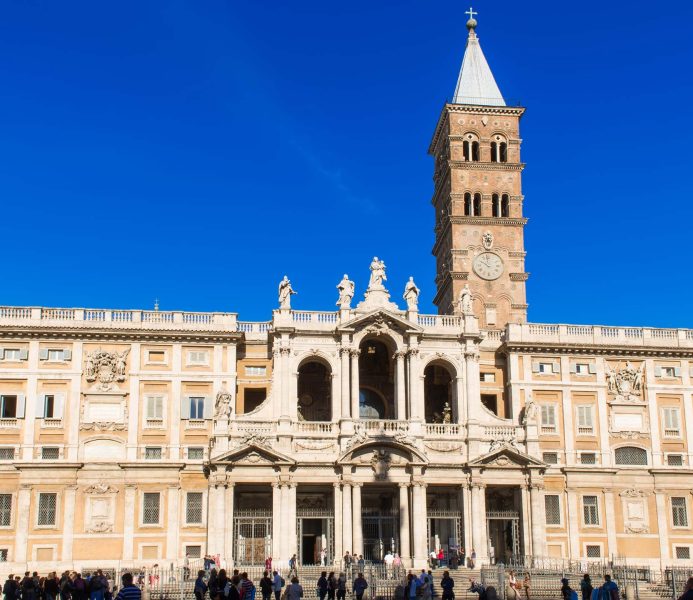
Villa Giulia, a masterpiece of Renaissance architecture, stands as a testament to the grandeur of the era. Originally constructed between 1551 and 1555 under the auspices of Pope Julius III, the villa served as a serene suburban retreat beyond the Tiber River. The architectural design, attributed to the collaboration of renowned figures such as Michelangelo, Giorgio Vasari, and Bartolomeo Ammannati, reflects a harmonious blend of elegance and functionality. This exquisite villa, once considered an “eighth wonder of the world,” is a significant cultural landmark in Rome.
Over the centuries, Villa Giulia has undergone various transformations, reflecting the changing tides of history. In 1870, it was acquired by the Kingdom of Italy and later repurposed in 1889 to house a collection of pre-Roman antiquities, eventually becoming the esteemed Museo Nazionale Etrusco di Villa Giulia. Today, it is celebrated for its rich collection of Etruscan artifacts, including the renowned Sarcofago degli Sposi and the Apollo di Veio. The villa’s architectural and historical significance continues to captivate visitors, offering a glimpse into the opulence and artistry of the Renaissance period.
Description of Villa Giulia
Villa Giulia, an architectural masterpiece nestled in the heart of Rome, offers visitors a unique glimpse into the opulent past of the Renaissance era. As an emblem of architectural sophistication, the villa is renowned for its intricate design and historical significance. Tourists visiting Villa Giulia can explore its exquisite gardens, marvel at the detailed frescoes, and walk through the grand halls that once hosted notable figures of the Renaissance. Among the highlights are the Loggia of Ammannati, the Nymphaeum, and the Portico with Emicircle, each offering a distinct perspective on the villa’s artistic and architectural grandeur.
The Loggia of Ammannati
The Loggia of Ammannati is a striking feature of Villa Giulia, showcasing the architectural prowess of Bartolomeo Ammannati, a prominent figure in Renaissance architecture. This loggia, characterized by its three arches framed by four Ionic columns, serves as a testament to the harmonious blend of form and function. The loggia not only provides a breathtaking view of the surrounding landscape but also acts as a transitional space leading to the villa’s inner sanctum. The architectural design is meticulously crafted, with each element serving a purpose, from the columns that support the structure to the arches that frame the vista beyond.
Visitors will find that the loggia’s design is both functional and decorative, with intricate details that reflect the artistic sensibilities of the time. The columns, adorned with Ionic capitals, add a touch of elegance, while the arches create a sense of openness and grandeur. The loggia’s strategic placement within the villa allows for an uninterrupted view of the gardens, providing a serene backdrop that enhances the overall experience. The attention to detail in the loggia’s construction is evident in the precision of its architectural elements, making it a focal point for those interested in Renaissance architecture.
The Nymphaeum
The Nymphaeum at Villa Giulia is a captivating feature that embodies the villa’s connection to nature and classical mythology. Designed by Giorgio Vasari and Bartolomeo Ammannati, this architectural element is a celebration of water and its symbolic significance. The nymphaeum is situated at the lowest level of the villa, accessed via two spiral staircases that add an element of mystery and intrigue. Upon entering, visitors are greeted by a space that exudes tranquility, with water gently flowing from the central fountain, creating a soothing ambiance.
The design of the nymphaeum is both functional and aesthetic, with its central fountain serving as the focal point. The surrounding space is adorned with four caryatids that support a balcony, adding an element of grandeur to the setting. The intricate mosaic flooring, depicting Triton, further enhances the nymphaeum’s allure, providing a visual feast for those who appreciate the artistry of the Renaissance. The combination of water, sculpture, and mosaic creates a harmonious environment that invites visitors to pause and reflect on the beauty of the natural world.
Portico with Emicircle
The Portico with Emicircle is another architectural marvel within Villa Giulia, offering a unique blend of classical and Renaissance elements. This semi-circular portico, supported by eight Ionic granite columns, serves as a grand entrance to the villa’s inner courtyard. The design of the portico is both imposing and inviting, with its large central arch flanked by smaller arches, creating a rhythm that guides visitors into the heart of the villa. The portico’s architectural elements are meticulously crafted, with each column and arch contributing to the overall aesthetic.
Inside the portico, visitors will find a series of frescoes attributed to Prospero Fontana, Taddeo Zuccari, and Pietro Venale da Imola. These frescoes, depicting mythological themes, add a layer of artistic depth to the space, enhancing the visitor experience. The ceiling of the portico is adorned with a lattice of jasmine vines and panels featuring putti, creating a whimsical atmosphere that contrasts with the grandeur of the architecture. The combination of architectural and artistic elements within the portico makes it a must-see for those visiting Villa Giulia, offering a glimpse into the artistic achievements of the Renaissance.
History of Villa Giulia
Villa Giulia, a remarkable architectural and cultural landmark in Rome, has a rich and intricate history that spans several centuries. Originally constructed in the mid-16th century, the villa has witnessed numerous transformations and played host to significant historical events. This section delves into the various phases of Villa Giulia’s history, highlighting its evolution from a papal residence to a renowned museum.
The Papal Vision and Construction (1551-1555)
Villa Giulia was commissioned by Pope Julius III, born Giovanni Maria Ciocchi del Monte, who envisioned a splendid suburban retreat beyond the Tiber River. The villa was constructed between 1551 and 1555, serving as a testament to the Pope’s desire for a lavish residence where he could enjoy leisure and relaxation. The design of the villa was a collaborative effort involving prominent architects such as Michelangelo, Jacopo Barozzi da Vignola, and Bartolomeo Ammannati. The architectural ensemble featured a harmonious blend of corridors, terraces, and gardens, creating a picturesque setting that was considered an architectural marvel of its time.
The villa was composed of three distinct vineyards, including the Vigna Vecchia, the Vigna del Porto, and the Vigna del Monte. Each section contributed to the villa’s grandeur, with the Vigna Vecchia being the oldest family property. The villa’s construction was marked by the integration of Renaissance architectural elements, with a focus on creating a serene environment for the Pope’s weekly retreats. Despite its initial splendor, the villa’s glory was short-lived, as the death of Pope Julius III in 1555 marked the beginning of its decline.
Transition and Decline (1555-1870)
Following the death of Pope Julius III, Villa Giulia underwent a period of transition and decline. In 1556, the Pope’s brother and heir, Baldovino del Monte, also passed away, leading to the villa’s reclamation by Pope Paul IV in 1557. The property was claimed by the Holy See, as it was argued to have been acquired using resources from the Apostolic Camera. During this period, the villa was used sporadically as a reception venue for visiting dignitaries, including Queen Christina of Sweden in 1565.
The villa’s fortunes continued to wane over the centuries, with its use becoming increasingly limited. In 1870, the property was acquired by the Kingdom of Italy, marking a new chapter in its history. The villa was repurposed to house archaeological artifacts, setting the stage for its future as a center of cultural and historical preservation.
Transformation into a Museum (1889-Present)
In 1889, Villa Giulia was officially designated to host collections of pre-Roman antiquities, focusing on the Etruscan and Italic civilizations. This transformation marked the beginning of its journey as a museum, dedicated to preserving and showcasing the rich cultural heritage of ancient Italy. By 1939, the museum’s focus was narrowed exclusively to the Etruscan civilization, establishing it as one of the foremost institutions of its kind globally.
Today, the Museo Nazionale Etrusco di Villa Giulia, also known as ETRU, is celebrated for its extensive collection of Etruscan artifacts, including masterpieces such as the Sarcophagus of the Spouses and the Apollo of Veio. The museum’s evolution reflects a commitment to preserving the legacy of the Etruscans, offering visitors a profound insight into the art, culture, and history of this ancient civilization.
Visiting Villa Giulia
Approaching Villa Giulia
Visitors approaching Villa Giulia will find themselves in a historically rich area of Rome, nestled beyond the Tiber River. The villa, originally constructed as a suburban retreat for Pope Julius III, is now a significant cultural site. The approach to the villa is marked by the remnants of its grand past, including the Via Julia Nova, which once served as the primary access route. This path offers a scenic introduction to the villa, with the surrounding landscape still echoing the grandeur of its Renaissance origins.
The villa’s location makes it easily accessible via public transportation, with tram lines offering convenient stops nearby. Visitors should be prepared to explore the villa’s exterior, which includes well-preserved architectural features such as the Loggia dell’Ammannati and the Ninfeo, both of which showcase the artistic mastery of the period. The villa’s gardens, though reduced from their original expanse, still provide a serene backdrop for reflection and appreciation of the site’s historical significance.
Exploring the Museum
Today, Villa Giulia houses the Museo Nazionale Etrusco, a premier institution dedicated to the Etruscan civilization. As visitors enter the museum, they are greeted by a collection that spans centuries, offering insights into the lives and artistry of the Etruscans. The museum’s most renowned artifact, the Sarcophagus of the Spouses, is a highlight of the visit, captivating audiences with its detailed depiction of a reclining couple.
In addition to the sarcophagus, the museum boasts an impressive array of artifacts, including the Apollo of Veio and the Lamine di Pyrgi. These pieces, alongside others in the collection, provide a comprehensive overview of Etruscan art and culture. The museum’s layout allows for a thoughtful exploration of these ancient treasures, with each room offering a new perspective on the Etruscan legacy.
Practical Information and Nearby Attractions
Visitors to Villa Giulia can expect a ticketed entry to the museum, ensuring access to its extensive collections. While exploring the villa and its grounds, guests are encouraged to take note of the architectural details that reflect the collaborative efforts of historical figures such as Giorgio Vasari and Bartolomeo Ammannati. The museum’s proximity to other cultural landmarks in Rome makes it an ideal stop on a broader itinerary of the city.
For those interested in extending their visit, nearby attractions such as the Villa Borghese and the Museo Nazionale Romano offer additional opportunities to delve into Rome’s rich cultural tapestry. The villa’s location also provides easy access to the vibrant neighborhoods of Rome, where visitors can enjoy local cuisine and further explore the city’s historical offerings. As always, it is advisable to check for any updates or changes in access before planning a visit, ensuring a seamless and enriching experience.