The district of Prati, located on the right bank of the Tiber River, is a significant and elegant part of Rome, characterized by its wide, regular streets and a blend of Umbertine and Liberty-style architecture. Established officially as the twenty-second rione of Rome on August 20, 1921, Prati is part of the I Municipio, alongside the historic rione of Borgo. The area, once known as Horti Domitii and later Prata Neronis, has undergone significant transformation from its origins as vineyards and pastures to a bustling urban neighborhood.
Prati’s development was influenced by the needs of a modernizing Rome post-Italian unification, intended to house state officials and administrative structures. The district’s streets bear the names of notable figures from Roman history and the Risorgimento, reflecting its role in Italy’s national narrative. Landmarks such as the Palazzo di Giustizia, known colloquially as the “Palazzaccio,” and cultural sites like the Teatro Adriano and various historical churches, contribute to Prati’s rich architectural and cultural tapestry. Today, Prati stands as a testament to Rome’s evolution, offering both historical insights and modern amenities to visitors and residents alike.
Description of Prati
Prati, a distinguished district within Rome, offers a unique blend of historical and modern elements that captivate visitors. Known for its wide, regular streets and elegant buildings, Prati stands out with its Umbertine architecture and Liberty-style villas. Tourists exploring this area can enjoy a variety of cultural and architectural landmarks, from grand public edifices to quaint local shops and eateries. Among the highlights are the Palazzo di Giustizia, often referred to by locals as the “Palazzaccio,” and the Chiesa del Sacro Cuore del Suffragio, a striking example of neo-Gothic architecture. Prati’s layout, with its grid-like streets and proximity to the Vatican, makes it a convenient and appealing area for both leisurely strolls and in-depth exploration.
Palazzo di Giustizia and Piazza Cavour
The Palazzo di Giustizia, a monumental building completed in the early 20th century, is a key feature of Prati. Designed by the architect Guglielmo Calderini, this imposing structure serves as the seat of the Supreme Court of Cassation. Its grandiose façade and intricate architectural details reflect the neoclassical style, with a touch of baroque influence. The building’s massive size and ornate decorations have earned it the nickname “Palazzaccio,” a term of endearment and criticism from the locals. Adjacent to the palace is Piazza Cavour, a spacious square that provides a serene setting for reflection and leisure. The square is adorned with a monument dedicated to Camillo Benso di Cavour, a pivotal figure in Italian unification, offering a glimpse into the nation’s historical narrative.
Visitors to Piazza Cavour can also explore the underground parking area, which houses a unique art installation by H.H. Lim, a contemporary artist whose work often challenges traditional perceptions. This installation, featuring a blend of automotive elements and thought-provoking text, adds a modern artistic dimension to the historical ambiance of the area. The juxtaposition of the historic and the modern makes Piazza Cavour a microcosm of Prati’s broader architectural and cultural landscape.
Via Cola di Rienzo and Surrounding Streets
Via Cola di Rienzo is one of Prati’s most vibrant streets, renowned for its shopping and dining options. Named after the 14th-century Roman tribune Cola di Rienzo, this street is a bustling hub where modern commerce meets historical reverence. The street’s alignment and design reflect the broader urban planning of Prati, characterized by wide avenues and perpendicular intersections. Visitors can enjoy a leisurely walk along Via Cola di Rienzo, exploring a variety of boutiques, cafes, and local eateries that offer a taste of Roman culture and cuisine.
The surrounding streets, such as Via Ottaviano and Viale Giulio Cesare, further enrich the experience with their own unique offerings. These areas are home to several historical buildings and monuments, including the Chiesa di San Gioacchino, known for its distinctive dome and artistic interior. The church, dedicated to Pope Leo XIII, serves as a testament to the religious and cultural heritage of the district. As visitors wander these streets, they encounter a harmonious blend of historical architecture and contemporary urban life, making Prati a compelling destination for those interested in the evolution of Rome’s architectural identity.
Chiesa del Sacro Cuore del Suffragio
The Chiesa del Sacro Cuore del Suffragio, often likened to a miniature Duomo di Milano, is a remarkable example of neo-Gothic architecture in Rome. Designed by architect Giuseppe Gualandi, this church is notable for its intricate façade and spire, which stand out against the more subdued architectural styles of the surrounding buildings. Inside, the church houses the Museum of the Souls of Purgatory, a unique collection that purportedly contains evidence of supernatural phenomena, such as handprints and faces said to belong to souls from the afterlife. This museum offers a fascinating glimpse into the spiritual beliefs and practices that have shaped the cultural fabric of the area.
Visitors to the Chiesa del Sacro Cuore del Suffragio can also appreciate its artistic and architectural details, from the stained glass windows to the ornate altars. The church’s location along the Lungotevere Prati provides a picturesque setting, with views of the river and the surrounding urban landscape. This combination of spiritual intrigue and architectural beauty makes the church a must-visit for those exploring Prati.
Villa Laetitia and Artistic Residences
Villa Laetitia, a stunning example of early 20th-century architecture, is a highlight of Prati’s residential offerings. Designed by architect Armando Brasini, this villa exemplifies the “barocchetto romano” style, characterized by its elegant curves and decorative elements. Today, Villa Laetitia serves as a boutique hotel, offering guests a luxurious experience amidst historical surroundings. The villa’s proximity to the Lungotevere delle Armi provides easy access to scenic walks along the river, enhancing its appeal as a tranquil retreat within the bustling city.
In addition to Villa Laetitia, Prati is home to several other notable residences, such as Casa Balla, the former home of the futurist artist Giacomo Balla. This residence, now open to the public, offers an immersive experience into the artist’s world, with vibrant colors and dynamic forms that reflect Balla’s avant-garde vision. These artistic residences contribute to Prati’s reputation as a district that celebrates both historical and contemporary creativity, making it a rich area for cultural exploration.
Transportation and Accessibility
Prati is well-connected to the rest of Rome, making it an accessible destination for tourists. The district is served by the Line A of the Rome Metro, with stations at Lepanto and Ottaviano providing convenient access to key attractions. These metro stations are strategically located near major landmarks, allowing visitors to easily navigate between Prati and other parts of the city. The district’s layout, with its wide streets and organized grid, further facilitates exploration on foot, enabling tourists to fully appreciate the architectural and cultural offerings of the area.
In addition to the metro, Prati is connected by several bus routes and is within walking distance of the Vatican, enhancing its appeal as a base for exploring Rome’s historical and religious sites. The district’s accessibility, combined with its rich architectural heritage and vibrant cultural scene, makes Prati a compelling destination for visitors seeking to experience the diverse facets of Rome.
History of Prati
Prati is a district in Rome with a rich and diverse history, reflecting the evolution of the city from ancient times through to its modern development. Situated on the right bank of the River Tiber, Prati has transformed from agricultural lands into a bustling urban area, playing a significant role in the administrative and cultural life of Rome.
The area, once known for its vineyards and fields, has seen significant changes, especially during the late 19th and early 20th centuries, as it became a key part of Rome’s expansion and modernization efforts. Today, Prati stands as a testament to the city’s ability to blend historical legacy with contemporary urban living.
Ancient Roman Era (1st Century BCE – 5th Century CE)
In ancient times, the area now known as Prati was part of the vast estates owned by the family of Domitia, wife of Emperor Domitian. These lands were referred to as Horti Domitii or “Domitian’s Gardens,” and later became known as Prata Neronis, or “Fields of Nero.” This designation highlights the area’s use as agricultural land during the Roman Empire, characterized by vineyards and pastures.
During this period, the lands were primarily utilized for agricultural purposes, providing resources for the bustling city of Rome. The proximity to the Tiber River made it an ideal location for such activities, although it remained largely undeveloped in terms of urban infrastructure.
Medieval Period (6th Century – 15th Century)
Throughout the medieval era, Prati continued to be known for its open fields, acquiring the name Prata Sancti Petri, or “Fields of Saint Peter,” due to its proximity to the Vatican. The area served as a buffer zone, protecting the city from potential flooding of the Tiber River.
This period saw little urban development, as the lands remained primarily rural and were often used for grazing and farming. The connection to the Vatican highlighted its strategic importance, yet it remained on the periphery of Rome’s urban expansion during these centuries.
Modern Development and Urbanization (Late 19th Century – Early 20th Century)
The transformation of Prati began in earnest after the unification of Italy in the late 19th century. In 1873, the Italian government initiated plans to develop the area into a modern urban district, aligning with Rome’s status as the capital of the newly unified nation. The development was driven by the need to accommodate government offices and residential areas for state officials.
Significant urban planning efforts were undertaken, characterized by wide, regular streets and elegant buildings in the Umbertino style. The construction of major landmarks such as the Palazzo di Giustizia and the development of infrastructure, including roads and bridges, marked Prati’s evolution into a prominent district of Rome. The area’s streets were named after notable figures from Roman history and the Italian Risorgimento, reflecting its national significance.
Contemporary Era (Mid 20th Century – Present)
In the mid-20th century, Prati continued to grow and modernize, with further urban development and the establishment of cultural and educational institutions. The district became known for its vibrant commercial areas, particularly along Via Cola di Rienzo, a major shopping street.
Today, Prati is recognized as a chic and affluent neighborhood, blending historical architecture with modern amenities. It remains a key area for both residents and visitors, offering a unique blend of history, culture, and contemporary urban life, all within close proximity to the Vatican and central Rome.
Visiting Prati
Exploring the Streets of Prati
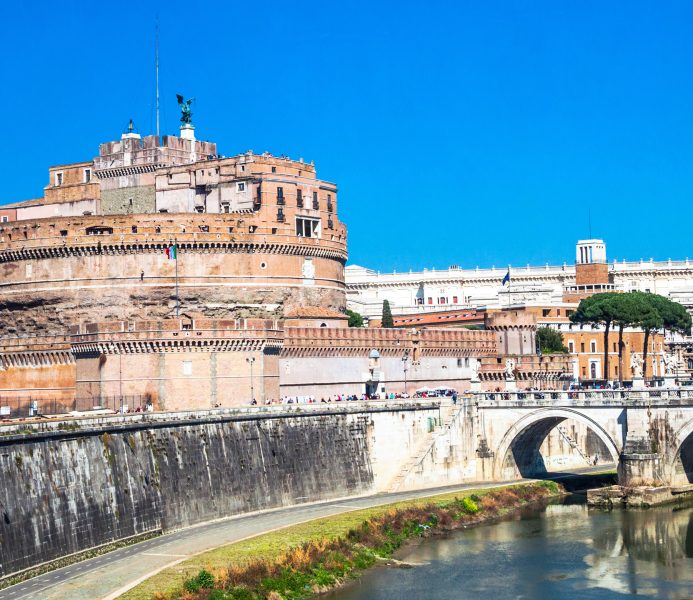
Visitors approaching the Prati district will immediately notice its distinct urban planning, characterized by wide streets and a grid-like layout. This area, known for its elegant Umbertino and Liberty-style architecture, offers a unique blend of historical charm and modernity. As you stroll through its streets, you’ll encounter a mix of residential buildings, boutique shops, and vibrant cafes, making it an ideal place for a leisurely walk. The district’s proximity to the Vatican and Castel Sant’Angelo adds to its allure, providing a scenic backdrop for your exploration.
While wandering through Prati, you will come across notable streets such as Via Cola di Rienzo, a bustling commercial avenue perfect for shopping enthusiasts. This street, along with Via Ottaviano and Viale Giulio Cesare, forms the heart of Prati’s commercial activity. Here, visitors can enjoy a variety of dining options, from traditional Italian eateries to modern bistros, offering a taste of local and international cuisines.
Key Landmarks and Attractions
Prati is home to several significant landmarks that are worth visiting. The Palazzo di Giustizia, often referred to as the “Palazzaccio,” is a striking example of neobaroque architecture and serves as the seat of the Supreme Court of Cassation. Although the building itself is not open to the public, its impressive facade and the surrounding Piazza Cavour provide a picturesque setting for photography and admiration.
Another notable site is the Chiesa del Sacro Cuore del Suffragio, a unique example of neogothic architecture in Rome. Often compared to a miniature version of the Duomo di Milano, this church houses the intriguing Museum of the Souls of Purgatory, which can be visited to explore its collection of mysterious relics. The church’s location along the Lungotevere Prati offers a pleasant riverside walk, with views of the Tiber River enhancing the experience.
Practical Tips for Visitors
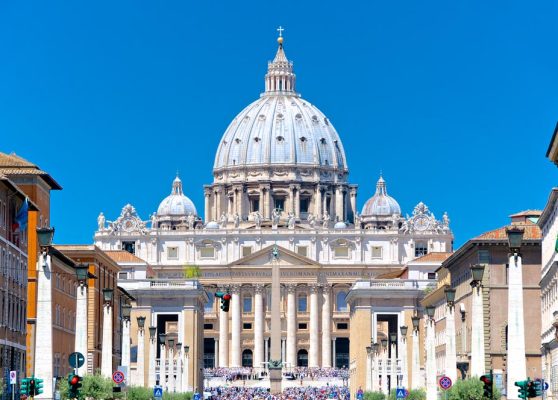
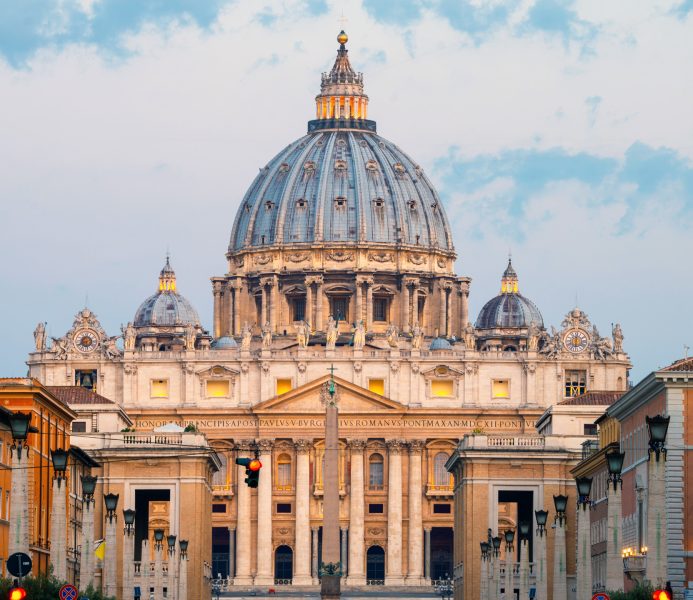
When planning a visit to Prati, consider incorporating it into a broader itinerary that includes nearby attractions such as the Vatican Museums and St. Peter’s Basilica. The district’s strategic location makes it an excellent base for exploring the wider area, with convenient access to public transportation, including the Lepanto and Ottaviano metro stations.
For those interested in a more immersive experience, guided walking tours are available, offering insights into the district’s history and architecture. These tours provide an opportunity to learn about the prominent figures and events that have shaped Prati, enhancing your understanding of its cultural significance. Whether you’re a history enthusiast or simply looking to enjoy a leisurely day in one of Rome’s most charming districts, Prati offers a wealth of experiences to enrich your visit.