The Vittorio Emanuele II Bridge, an architectural marvel in the heart of Rome, stands as a testament to the city’s rich historical tapestry. Designed by the esteemed architect Ennio De Rossi in 1886, this bridge was inaugurated in 1911 to commemorate the 50th anniversary of Italy’s unification. Spanning the Tiber River, it elegantly connects the vibrant Piazza Pasquale Paoli in the rione Ponte to the serene Lungotevere Vaticano in Borgo, offering a seamless passage to the Vatican City.
Constructed with travertine and characterized by its three graceful arches, the bridge is adorned with symbolic sculptures and bronze Vittories, crafted by renowned artists such as Elmo Palazzi and Giovanni Nicolini. These artistic embellishments celebrate pivotal moments in Italian history, including the proclamation of the Kingdom of Italy in 1861. The bridge not only serves as a crucial infrastructural link but also as a cultural landmark, reflecting the aspirations and achievements of a unified Italy. Its strategic location and historical significance make it a cherished icon in the architectural and cultural heritage of Rome.
Description of Vittorio Emanuele II Bridge
The Vittorio Emanuele II Bridge in Rome stands as a testament to the architectural and artistic prowess of its era. A visit to this bridge offers tourists a glimpse into the intricate design and historical significance embedded in its structure. As one approaches the bridge, the grandeur of its three arch spans becomes immediately apparent, each meticulously crafted to reflect the engineering feats of the late 19th and early 20th centuries. The bridge not only serves as a functional crossing over the Tiber River but also as a monumental tribute to King Vittorio Emanuele II, with its artistic decorations and symbolic sculptures.
Visitors can explore the bridge’s various artistic elements, including the impressive Vittorie alate (Winged Victories) and the symbolic sculptural groups that adorn the structure. These elements not only enhance the aesthetic appeal of the bridge but also narrate stories of Italy’s historical milestones. The bridge’s strategic location offers panoramic views of the surrounding areas, including the historic Borgo district and the majestic Vatican City, making it a popular spot for photography and leisurely walks.
Architectural Design and Structure
The Vittorio Emanuele II Bridge is a quintessential example of an eclectic architectural style, characterized by its harmonious blend of different design elements. The bridge spans approximately 110 meters in length and 20 meters in width, with its structure predominantly composed of travertine, a material renowned for its durability and aesthetic appeal. The use of travertine not only provides the bridge with a robust structural foundation but also imbues it with a timeless elegance that complements the surrounding Roman landscape.
The bridge’s three arches are designed with a subtle curvature, creating a visually pleasing silhouette against the backdrop of the Tiber River. Each arch is supported by sturdy piers, ensuring the bridge’s stability and longevity. The meticulous attention to detail in the construction process is evident in the seamless integration of artistic elements with the bridge’s structural components, showcasing the skill and vision of its architect, Ennio De Rossi.
Artistic Elements and Sculptural Groups
One of the most striking features of the Vittorio Emanuele II Bridge is its collection of artistic sculptures, each crafted to commemorate significant events in Italian history. At the ends of the bridge stand four high pedestals, each adorned with bronze Winged Victories. These sculptures, created by renowned artists such as Elmo Palazzi and Luigi Casadio, symbolize the virtues of King Vittorio Emanuele II and serve as a tribute to his legacy.
In addition to the Winged Victories, the bridge is further embellished with four distinct sculptural groups, each positioned on the central piers. These groups, crafted from travertine, depict pivotal moments in Italy’s journey towards unification and nationhood. Notable among these is the work of Giuseppe Romagnoli, who sculpted “La Fedeltà allo Statuto,” symbolizing loyalty to the constitution following the Battle of Novara. Each group is a testament to the artistic excellence of its creator, offering visitors a visual narrative of Italy’s rich history.
Historical Context and Symbolism
The Vittorio Emanuele II Bridge is not merely a functional structure but also a symbol of national pride and unity. Its construction was initiated in 1886, a period marked by Italy’s efforts to solidify its identity as a unified nation. The bridge’s inauguration in 1911 coincided with the 50th anniversary of the Unification of Italy, further cementing its status as a symbol of national achievement.
The symbolic significance of the bridge is further enhanced by its strategic location, connecting the bustling city center with the historic Borgo district and the Vatican. This connection serves as a metaphor for the bridging of Italy’s past and present, linking the ancient with the modern, and the secular with the sacred. For tourists, the bridge offers not only a passage across the Tiber but also a journey through Italy’s storied past.
Points of Interest for Tourists
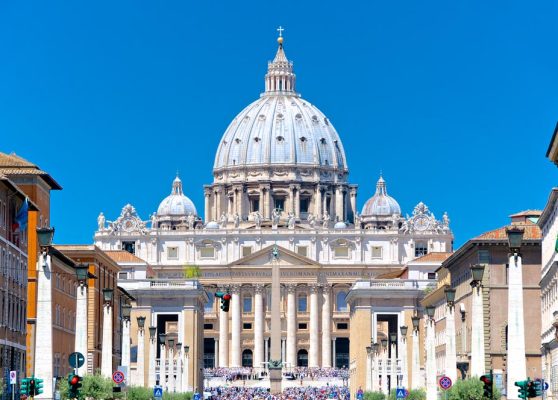
For those visiting the Vittorio Emanuele II Bridge, there are several points of interest that enhance the overall experience. The bridge’s vantage point offers breathtaking views of the St. Peter’s Basilica and the Castel Sant’Angelo, providing an ideal backdrop for photographs. The serene ambiance of the Tiber River, coupled with the architectural beauty of the bridge, makes it a favored spot for leisurely strolls and contemplative moments.
Additionally, the bridge’s proximity to other historical landmarks in Rome makes it a convenient starting point for exploring the city’s rich cultural heritage. Visitors can easily access the nearby Ottaviano Station, facilitating further exploration of Rome’s numerous attractions. Whether one is interested in history, architecture, or simply enjoying the scenic beauty of Rome, the Vittorio Emanuele II Bridge offers a multifaceted experience that caters to a diverse array of interests.
History of the Vittorio Emanuele II Bridge
Ponte Vittorio Emanuele II, a prominent architectural landmark in Rome, stands as a testament to the city’s rich historical tapestry. Its inception and construction span several decades, reflecting the socio-political changes in Italy during the late 19th and early 20th centuries. This bridge, named in honor of King Vittorio Emanuele II, played a significant role in the urban development and connectivity of Rome, linking key areas across the Tiber River.
The bridge’s history is marked by a series of interruptions and resumptions, indicative of the challenges faced during its construction. Its completion was celebrated as part of the 50th anniversary of Italy’s unification, symbolizing national pride and architectural achievement. The subsequent addition of intricate sculptures further enriched its cultural significance.
Initial Conception and Design (1886)
The idea for a new bridge dedicated to King Vittorio Emanuele II was conceived in 1886, amidst a period of national consolidation and modernization in Italy. The renowned architect Ennio De Rossi was commissioned to design the bridge, envisioning a structure that would not only serve as a vital transportation link but also as a monumental tribute to the king.
De Rossi’s design featured a grand arch bridge, constructed primarily of travertine, a material historically significant to Rome. The bridge was intended to connect the bustling areas of Corso Vittorio Emanuele II with the Vatican, enhancing accessibility and urban cohesion.
Construction Challenges and Delays (1886-1911)
The construction of the bridge faced numerous challenges, leading to prolonged delays. Initially commenced in 1886, the project was soon halted due to financial constraints and technical difficulties. It was not until 1908 that construction resumed in earnest, driven by a renewed commitment to complete the bridge in time for the 50th anniversary of Italy’s unification.
During this period, a temporary iron bridge, known as Ponte degli Alari, was erected to facilitate transportation across the Tiber. This provisional structure underscored the importance of the bridge’s location and the necessity of completing the permanent bridge.
Completion and Inauguration (1911-1912)
The bridge was officially inaugurated on June 5, 1911, coinciding with the celebrations of the unification anniversary. However, the decorative elements, including the symbolic sculptural groups, were not yet completed, necessitating a subsequent inauguration on April 28, 1912. These sculptures, crafted by esteemed artists such as Giuseppe Romagnoli and Giovanni Nicolini, depicted pivotal moments in Italian history, further enhancing the bridge’s cultural and historical resonance.
The completed bridge, with its three elegant arches and ornate decorations, quickly became a cherished landmark in Rome. It not only facilitated transportation but also stood as a symbol of national pride and artistic achievement, embodying the spirit of a newly unified Italy.
Visiting Vittorio Emanuele II Bridge
Approaching the Bridge
Visitors approaching the Vittorio Emanuele II Bridge will find themselves in the heart of Rome, where the bridge majestically spans the River Tiber. This architectural marvel, designed by Ennio De Rossi, is a testament to the city’s rich historical tapestry. As one approaches, the bridge’s elegant travertine façade and its three graceful arches become immediately apparent, offering a striking visual connection between the historic city center and the Vatican area.
The bridge is easily accessible on foot, making it a convenient stop for those exploring nearby attractions such as the Castel Sant’Angelo and St. Peter’s Basilica. Its central location allows visitors to seamlessly integrate a visit to the bridge within a broader itinerary of Rome’s historical sites. The bridge itself is open to pedestrians, providing a unique vantage point to admire the surrounding cityscape.
Experiencing the Bridge
Upon reaching the Vittorio Emanuele II Bridge, visitors are greeted by the impressive sculptural decorations that adorn its structure. The high basements at the ends of the bridge are crowned with bronze Victories, symbolizing the virtues of King Vittorio Emanuele II. These artistic elements, crafted by renowned sculptors such as Elmo Palazzi and Amleto Cataldi, add a layer of artistic depth to the bridge’s historical significance.
Walking across the bridge, visitors can pause to appreciate the symbolic groups of travertine sculptures that commemorate pivotal moments in Italian history. Each group, meticulously crafted by artists like Giovanni Nicolini and Cesare Reduzzi, tells a story of national pride and unity. The bridge not only serves as a passageway but also as an open-air gallery that celebrates Italy’s past.
Practical Tips for Visitors
The Vittorio Emanuele II Bridge is freely accessible to all visitors, making it an ideal stop for those exploring Rome on foot. While no guided tours are specifically offered for the bridge itself, its proximity to other significant landmarks allows visitors to easily incorporate it into a self-guided walking tour of the area.
For those interested in photography, the bridge offers excellent opportunities to capture panoramic views of the Tiber River and the iconic Roman skyline. It is advisable to visit during the early morning or late afternoon when the lighting is most favorable for photography. Additionally, visitors should be mindful of the bridge’s popularity and plan their visit accordingly to avoid peak tourist times.