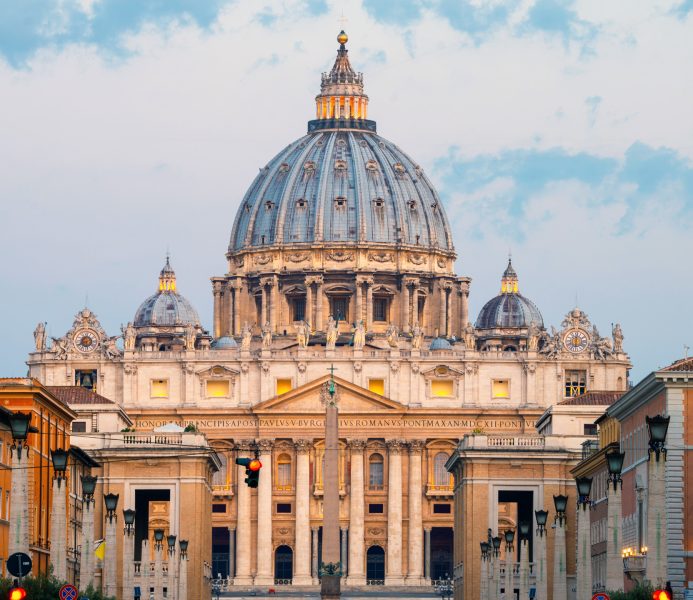
Via dei Coronari, a renowned street in the heart of Rome, extends approximately 500 meters through the historic rione Ponte. This ancient thoroughfare, originally known as Via Recta, has served as a vital artery since the Middle Ages, providing a direct route for pilgrims traveling to the Basilica of San Pietro. The street’s current name, Via dei Coronari, is derived from the vendors of sacred objects, particularly rosary beads, known as “coronari,” who historically catered to these pilgrims.
Throughout its history, Via dei Coronari has been a vibrant hub of commerce and culture. In the Renaissance, the street was divided into two distinct sections: Scorticlaria, known for its leather merchants, and Immagine di Ponte, named after a sacred edifice created by Antonio da Sangallo the Younger. The street is adorned with notable architectural landmarks, including the Palazzo del Drago and the famed Casa di Fiammetta, reflecting the rich tapestry of medieval, Renaissance, and Baroque influences that define this picturesque Roman street.
Description of Via dei Coronari
Via dei Coronari, a renowned street in Rome, offers a unique blend of history and architecture that captivates visitors with its rich heritage. As one strolls along this historic street, they are greeted by a fascinating array of architectural styles that span several centuries, each telling its own story. The street is a living testament to the city’s evolution, with its medieval roots still visible alongside Renaissance and Baroque influences. Visitors can explore a variety of shops, galleries, and historical buildings, each offering a glimpse into the past. Notably, the street is a haven for antique enthusiasts, with numerous shops showcasing a diverse range of artifacts and collectibles.
Walking down Via dei Coronari, tourists can immerse themselves in the vibrant atmosphere of one of Rome’s most picturesque streets. The street’s charm lies not only in its historical significance but also in its ability to transport visitors back in time. From the intricate details of the Renaissance palaces to the quaint charm of the medieval alleyways, Via dei Coronari is a must-visit destination for anyone interested in Rome’s architectural and cultural heritage.
Architectural Highlights of Via dei Coronari
One of the most striking features of Via dei Coronari is its variety of architectural styles, which reflect the street’s long and storied history. The street is home to several notable buildings, each with its own unique character and historical significance. Among these is the Palazzo del Drago, a Renaissance palace that stands out with its elegant facade and intricate architectural details. Built in 1557, the palace served as the first residence of the Del Drago family in Rome. Its facade, adorned with stucco and a distinctive bugnato pattern, is a testament to the craftsmanship of the period.
Another architectural gem is the Palazzo Salimei, located at number 31. This 16th-century building, originally owned by Clemente Buccelleni, later became the seat of the Monte di Pietà under Pope Sixtus V. The palazzo showcases a harmonious blend of Renaissance and Baroque elements, with its grand facade featuring a series of architraved windows and a beautifully crafted portale. The building’s history is further enriched by the presence of the Monte di Pietà’s coat of arms, a reminder of its past role in alleviating poverty in the city.
Artistic and Cultural Points of Interest
Via dei Coronari is not only a showcase of architectural beauty but also a hub of artistic and cultural activity. The street is home to several edicole sacre (sacred shrines), which are small religious structures that house images of saints or the Virgin Mary. One of the most famous is the Immagine di Ponte, created in 1523 by Antonio da Sangallo the Younger. This shrine, featuring an image of the Coronation of the Virgin by Perin del Vaga, is a significant example of Renaissance religious art and is a must-see for visitors interested in the spiritual heritage of Rome.
In addition to its religious art, Via dei Coronari is renowned for its antique shops, which line the street with their alluring displays of historical artifacts. These shops offer a treasure trove of items, from vintage furniture to rare collectibles, making the street a paradise for collectors and history enthusiasts alike. The vibrant antique market is a testament to the street’s enduring appeal and its role as a center of commerce and culture in Rome.
Curious Elements and Hidden Gems
Beyond its well-known landmarks, Via dei Coronari is dotted with lesser-known curiosities that add to its charm. One such element is the Casa di Fiammetta, the former residence of the famous courtesan Fiammetta Michaelis. This building, with its medieval origins and Renaissance modifications, offers a glimpse into the lives of Rome’s historical figures. Its facade, though altered over time, still retains elements of its original design, providing a tangible connection to the past.
Another intriguing feature is the Madonnella, a baroque medallion depicting the Madonna della Pietà. Located at the corner with Vicolo di Monte Vecchio, this artwork is suspended by a stucco ribbon and adorned with cherub wings. The Madonnella is a beautiful example of the religious devotion that permeates the street, and its intricate design is a testament to the skill of the artists who crafted it. These hidden gems, along with the street’s more prominent landmarks, make Via dei Coronari a rich tapestry of history and culture waiting to be explored.
History of Via dei Coronari
Via dei Coronari stands as a testament to the rich tapestry of Rome’s historical evolution. Originally known as Via Recta, this street has witnessed significant transformations from its inception in the Middle Ages to its present-day prominence. Its strategic location made it a crucial thoroughfare for pilgrims journeying to the Basilica of San Pietro, and its name reflects the vendors of sacred objects, particularly rosary beads, who once populated the area.
Over the centuries, Via dei Coronari has been a microcosm of Roman life, reflecting the social, economic, and cultural shifts that have shaped the city. From its medieval origins to its Renaissance reimagining and beyond, the street has continually adapted, maintaining its historical significance while embracing modernity.
The Medieval Origins (Middle Ages)
Via dei Coronari’s origins can be traced back to the Middle Ages, when it was known as Via Recta. This name, meaning “Straight Street,” was indicative of its direct route, a rarity amidst the labyrinthine alleys of medieval Rome. It served as a vital link between the Porto di Ripetta and the Basilica of San Pietro, making it a bustling path for pilgrims.
The street’s early identity was closely tied to the religious fervor of the time. Vendors, known as coronari or paternostrari, established their stalls along the route, selling rosaries and other sacred items to the throngs of pilgrims. This commercial activity not only gave the street its enduring name but also cemented its role as a spiritual and economic hub.
Renaissance Transformation (16th Century)
The Renaissance era brought significant changes to Via dei Coronari. Under the auspices of Pope Sixtus IV, the street was reimagined as a model of urban planning. It became the first straight thoroughfare in Rome, cutting through the medieval chaos and setting a precedent for future city development. This transformation was part of a broader effort to enhance the city’s infrastructure and aesthetics.
During this period, the street was divided into two distinct sections: Scorticlaria and Immagine di Ponte. Scorticlaria was named for the leatherworkers who set up shop there, while Immagine di Ponte took its name from a sacred edifice created by Antonio da Sangallo the Younger in 1523. This division highlighted the street’s dual role as both a commercial and religious artery.
Baroque and Beyond (17th Century – Present)
As Rome entered the Baroque period, Via dei Coronari continued to evolve. The street became renowned for its vibrant mix of architectural styles, with medieval, Renaissance, and Baroque elements coexisting harmoniously. The addition of ornate balconies, grand porticos, and sacred niches further enriched its visual appeal, making it one of Rome’s most picturesque streets.
In the 20th century, Via dei Coronari underwent yet another transformation. The antique shops that had become a hallmark of the street began to give way to more contemporary businesses. Despite these changes, the street has retained its historical charm, drawing visitors who seek to experience the layered history of Rome firsthand.
Visiting Via dei Coronari
Approaching Via dei Coronari
Visitors approaching Via dei Coronari will find themselves stepping into a vibrant tapestry of history and culture, where the past and present intertwine seamlessly. This iconic street, nestled in the heart of Rome, offers a unique glimpse into the city’s rich heritage. As you walk along its cobblestone path, you will be surrounded by an array of Renaissance and Baroque architecture, each building telling its own story.
The street is easily accessible on foot and is situated within the Municipio I district, making it a convenient stop for those exploring the historic center of Rome. As you approach, the street’s lively atmosphere becomes palpable, with its numerous boutiques, antique shops, and cafes inviting you to pause and soak in the ambiance.
Experiencing the Street
While strolling down Via dei Coronari, visitors can expect to encounter a blend of old-world charm and modern-day allure. The street is renowned for its antique shops, which offer a treasure trove of artifacts, from vintage furniture to rare collectibles. This makes it a must-visit for enthusiasts of history and art. The street’s transformation over the years from a hub of religious pilgrimage to a center of commerce is evident in the diversity of its offerings.
As you explore, take note of the sacred shrines and historical edifices that line the street. Notable structures such as the Palazzo Salimei and the Casa di Fiammetta provide a window into the architectural evolution of the area. These buildings, with their intricate facades and storied pasts, are a testament to the street’s enduring significance in Roman history.
Integration with Broader Itinerary
Via dei Coronari is ideally situated for inclusion in a broader itinerary of Rome’s cultural landmarks. Its proximity to the Piazza Navona and the Pantheon makes it an excellent starting point or a delightful detour during a day of sightseeing. The street’s location allows visitors to easily transition from exploring the grandeur of Rome’s ancient monuments to enjoying the intimate charm of its lesser-known streets.
For those interested in a more comprehensive exploration, consider combining your visit to Via dei Coronari with a tour of nearby attractions such as the Chiesa di San Simeone Profeta or the Teatro dei Coronari. These sites offer further insight into the area’s rich cultural tapestry and provide a deeper understanding of the historical context surrounding this iconic street.