The Pontifical Sanctuary of the Holy Stairs, located in close proximity to the Basilica of San Giovanni in Laterano in Rome, stands as a monumental testament to the enduring legacy of Christian devotion and pilgrimage. According to tradition, the sanctuary houses the 28 steps that Jesus is believed to have ascended during his Passion, leading to the judgment by Pontius Pilate. These steps, known as the Holy Stairs, were transported to Rome by Saint Helena, mother of Emperor Constantine, in the fourth century. This sacred site has since become a focal point for pilgrims seeking spiritual solace and indulgence, drawing visitors from around the globe who ascend the stairs on their knees in a profound act of penance.
The sanctuary, entrusted to the care of the Passionist Fathers since 1854 by decree of Pope Pius IX, serves as a sanctuary of reflection and prayer. The architectural ensemble, designed by Domenico Fontana under the auspices of Pope Sixtus V, includes the revered Sancta Sanctorum, the ancient private chapel of the Popes. This sanctuary not only embodies a rich tapestry of religious history but also represents an enduring symbol of faith for the Catholic community, offering a unique blend of historical reverence and spiritual renewal.
Description of The Pontifical Sanctuary of the Holy Stairs
The Pontifical Sanctuary of the Holy Stairs, located adjacent to the Basilica of San Giovanni in Laterano in Rome, is a site of profound religious significance and architectural interest. Visitors to this sanctuary can engage in a deeply spiritual journey, ascending the 28 steps that tradition holds were climbed by Jesus Christ during His Passion. The sanctuary offers more than just the Holy Stairs; it encompasses a complex of chapels and oratories, each with unique historical and artistic features. Tourists can explore the Sancta Sanctorum, the ancient papal chapel, and admire the intricate frescoes that adorn the walls of the sanctuary, making it a rich site for both spiritual reflection and historical exploration.
The Holy Stairs
The Holy Stairs, or Scala Santa, are the central feature of the sanctuary. Comprising 28 marble steps, these stairs are encased in protective wooden coverings to preserve their integrity. According to Christian tradition, these are the very steps that Jesus ascended in the palace of Pontius Pilate in Jerusalem. The stairs were transported to Rome by Saint Helena, the mother of Emperor Constantine the Great, in the 4th century. Pilgrims ascend the stairs on their knees, a practice that has left visible wear on the steps, underscoring the devotion of countless generations. This act of penance and devotion is believed to grant an indulgence to those who undertake it.
Adjacent to the Holy Stairs are four additional staircases, which facilitate the movement of visitors and provide alternative routes for those unable to ascend the central stairs on their knees. The architectural design ensures that the spiritual journey is accessible to all, while maintaining the sanctity of the central staircase. The surrounding walls are adorned with frescoes that depict biblical scenes, enhancing the spiritual atmosphere and offering a visual narrative of the Passion of Christ.
The Sancta Sanctorum
The Sancta Sanctorum, or “Holy of Holies,” is the private chapel of the popes, located at the top of the Holy Stairs. This chapel is renowned for its artistic and historical significance, housing the Acheropita, an ancient icon of Christ that is believed to be “not made by human hands.” The icon is encased in a precious silver covering, reflecting its revered status. The chapel itself is a masterpiece of medieval architecture, featuring a cosmatesque floor, which is a mosaic of colored stones and marble, adding to the aesthetic richness of the space.
Visitors to the Sancta Sanctorum can also admire the intricate frescoes that adorn its walls, executed by artists of the Roman School under the patronage of various popes. These frescoes depict scenes from the lives of saints and biblical events, serving as a visual catechism for the faithful. The Sancta Sanctorum is a place of profound silence and contemplation, inviting visitors to reflect on the sacred mysteries of the Christian faith.
Artistic and Architectural Features
The sanctuary is a testament to the architectural prowess of the Renaissance and Baroque periods. Designed by the architect Domenico Fontana under the commission of Pope Sixtus V, the sanctuary’s structure harmonizes with the surrounding ecclesiastical buildings. The façade, facing Piazza San Giovanni in Laterano, is characterized by its classical lines and symmetry, reflecting the architectural trends of the late 16th century.
Inside, the sanctuary boasts an impressive array of frescoes, completed by a team of artists including Cesare Nebbia and Giovanni Guerra. These works of art cover approximately 1,700 square meters of wall space, depicting a series of biblical narratives that guide the pilgrim’s journey through the sanctuary. The frescoes are notable for their vivid colors and dynamic compositions, illustrating scenes from both the Old and New Testaments.
Points of Interest for Tourists
In addition to the Holy Stairs and the Sancta Sanctorum, tourists can explore several other points of interest within the sanctuary complex. The Chapel of San Lorenzo, accessible from the first right-hand staircase, offers a serene space for prayer and reflection. The Oratory of San Silvestro, located on the left, is another noteworthy site, featuring its own unique artistic elements.
The sanctuary also includes the Chapel of the Crucifix, situated behind the Sancta Sanctorum, which houses a collection of religious artifacts and sculptures. These elements provide visitors with a comprehensive understanding of the sanctuary’s historical and spiritual significance. The sanctuary’s proximity to other major Roman landmarks makes it an essential stop for those interested in the religious and cultural history of the city.
Curious Elements to Highlight
Among the curious elements of the sanctuary is the presence of small glass windows embedded in the steps of the Holy Stairs. These windows reveal crosses etched into the marble, marking the spots where tradition holds that drops of Christ’s blood fell during His ascent. This tangible connection to the Passion of Christ enhances the spiritual experience for pilgrims, who often pause to pray at these sacred sites.
Another intriguing feature is the collection of devotional items found beneath the wooden coverings of the Holy Stairs during recent restorations. These items, including rosaries, prayer cards, and personal mementos, attest to the deep personal faith and devotion of the pilgrims who have visited the sanctuary over the centuries. These artifacts are now preserved and displayed, offering a glimpse into the spiritual lives of those who have made the pilgrimage to this holy site.
The History of The Pontifical Sanctuary of the Holy Stairs
The Pontifical Sanctuary of the Holy Stairs in Rome stands as a monument of profound religious and historical significance. According to tradition, the Holy Stairs are the very steps that Jesus Christ ascended during His Passion, leading to the praetorium of Pontius Pilate. These 28 marble steps were brought to Rome by Saint Helena, the mother of Emperor Constantine, in the early 4th century. Over the centuries, the sanctuary has become a revered site for pilgrims seeking spiritual solace and indulgence.
The history of the sanctuary is intertwined with the evolution of the Catholic Church and the city of Rome itself. From its origins in the early Christian era to its transformation during the Renaissance and beyond, the sanctuary has been a focal point for devotion and architectural innovation. The site has witnessed numerous restorations and enhancements, reflecting the changing artistic and religious landscapes of the times.
Early Christian Era and the Legend of Saint Helena (4th Century)
The origins of the Holy Stairs are deeply rooted in the early Christian tradition. It is believed that Saint Helena, during her pilgrimage to the Holy Land, identified and transported the stairs to Rome in 326 AD. This act was part of her broader mission to preserve and honor the sacred sites associated with the life of Christ. The stairs were initially placed in the Lateran Palace, the residence of the Popes, symbolizing the connection between the earthly and the divine.
This period marked the beginning of the stairs’ veneration as a relic of the Passion of Christ. The presence of the stairs in Rome served as a tangible link to the events of the Gospels, drawing early Christian pilgrims to the city. The legend of Saint Helena’s discovery and the stairs’ subsequent journey to Rome became an integral part of the sanctuary’s storied history.
The Renaissance and the Construction of the Current Structure (16th Century)
The sanctuary underwent significant transformation during the Renaissance, particularly under the papacy of Pope Sixtus V. In 1589, the decision was made to relocate the stairs to their current location, adjacent to the Basilica of San Giovanni in Laterano. This move was orchestrated by the renowned architect Domenico Fontana, who was tasked with designing a new edifice to house the sacred relics.
The construction of the new sanctuary was part of a broader effort to revitalize the city of Rome, aligning with the artistic and religious ideals of the time. The relocation and reconstruction of the Holy Stairs were emblematic of the Renaissance’s emphasis on grandeur and devotion. The sanctuary’s design incorporated elements of classical architecture, reflecting the era’s aesthetic values while preserving its spiritual significance.
Modern Developments and Restoration Efforts (19th Century to Present)
In the 19th century, the sanctuary was entrusted to the Passionist Order by Pope Pius IX, who recognized their commitment to promoting the memory of Christ’s Passion. This period saw the introduction of protective measures to preserve the stairs, including the installation of wooden coverings to prevent wear from the countless pilgrims who ascend them on their knees.
Recent restoration efforts have focused on maintaining the sanctuary’s structural integrity and enhancing its accessibility. The addition of modern amenities, such as a montascale for those with mobility challenges, reflects a commitment to inclusivity while preserving the site’s historical and spiritual essence. Today, the sanctuary continues to attract pilgrims from around the world, serving as a testament to the enduring power of faith and tradition.
Visiting The Pontifical Sanctuary of the Holy Stairs
Approaching the Sanctuary
The Pontifical Sanctuary of the Holy Stairs, located near the Basilica of San Giovanni in Laterano, is a site of profound historical and religious significance. Visitors approaching the sanctuary will find themselves in a bustling area of Rome, characterized by its vibrant urban life and rich architectural heritage. The sanctuary itself stands as a solemn and revered place, inviting pilgrims and tourists alike to explore its spiritual and historical depths. As one nears the sanctuary, the juxtaposition of the ancient and the modern becomes apparent, with the site serving as a bridge between Rome’s storied past and its contemporary present.
Experiencing the Site
Upon entering the sanctuary, visitors are greeted by the imposing presence of the Holy Stairs, traditionally believed to be the steps that Jesus ascended during his Passion. These 28 marble steps, now covered with protective wood, are ascended on one’s knees as an act of devotion and penance. The experience is deeply personal and reflective, offering a moment of contemplation amidst the grandeur of the sanctuary. The surrounding architecture and artwork, including frescoes and religious icons, further enrich the visitor’s journey, providing a visual narrative of the site’s historical and spiritual significance.
Integrating the Visit
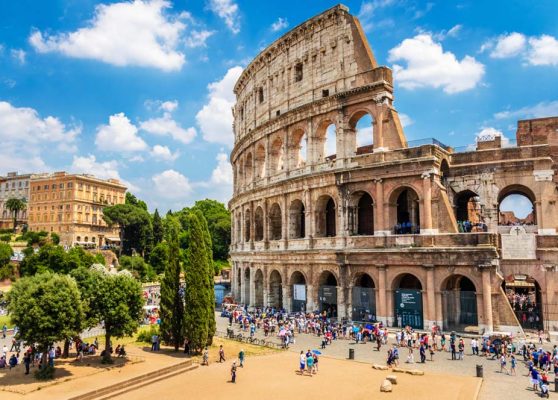
A visit to the Pontifical Sanctuary of the Holy Stairs can be seamlessly integrated into a broader exploration of Rome’s religious and cultural landmarks. The sanctuary’s proximity to other notable sites, such as the Basilica of San Giovanni in Laterano and the Colosseum, makes it an ideal stop for those seeking to immerse themselves in the city’s rich tapestry of history and faith. While the sanctuary itself offers a unique spiritual experience, its location within the heart of Rome allows visitors to easily access a variety of other attractions, ensuring a comprehensive and fulfilling itinerary.