-
Location:
Via di San Paolo della Croce
-
Built by:
Emperor Claudius, 1st century AD
-
What to see:
Underground galleries, small lakes, ancient wells
-
Opening hours:
Access by guided tour only
-
Transport:
Parking at Largo della Sanità Militare / Via Claudia, walk 300 meters
The Underground Quarry Galleries beneath the Temple of Claudius on the Caelian Hill represent a remarkable fusion of ancient Roman engineering and historical intrigue. These subterranean passages, carved from the volcanic stone known as tuff, have served multiple purposes over the centuries, from quarrying to refuse disposal. The galleries are a testament to the resourcefulness of ancient builders who sought materials in proximity to significant construction sites, such as the grand Temple of the Deified Claudius. This temple, dedicated by Agrippina in honor of her late husband, Emperor Claudius, was a monumental structure measuring 180 by 200 meters, reflecting the architectural ambition of the Roman Empire.
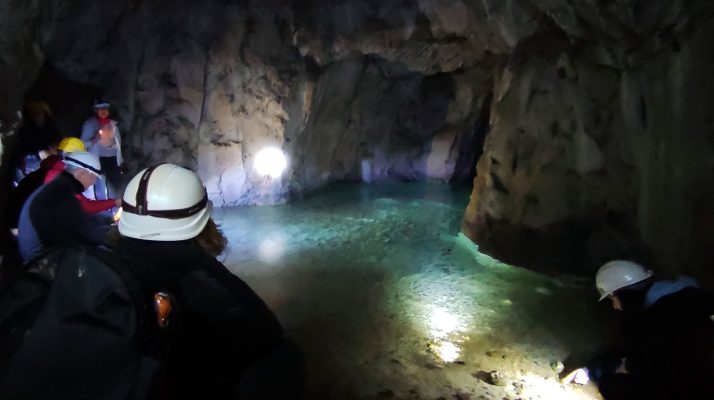
The galleries are punctuated by a series of intriguing features, including sixteen wells, which suggest a complex history of usage and adaptation. These wells, some equipped with ancient footholds, hint at their potential roles in both the extraction of materials and possibly as hydraulic structures. Notably, the presence of two pristine underground lakes adds a layer of mystery to the site, as their origins remain unexplained. The subterranean environment, with its varied elevations and hidden pathways, invites exploration and offers a unique glimpse into the lesser-known aspects of Rome’s extensive underground heritage.
Description of Underground Quarry Galleries (Temple of Claudius)
The Underground Quarry Galleries beneath the Temple of Claudius present a unique exploration opportunity for those visiting Rome. These subterranean passages are not just a testament to ancient Roman engineering but also a window into the city’s historical and architectural evolution. As visitors descend into these depths, they encounter a labyrinthine network of tunnels and chambers that have served various purposes over the centuries. The galleries are primarily carved from tuff, a volcanic rock commonly used in Roman construction, and provide a fascinating glimpse into the quarrying practices of ancient Rome. Among the highlights of the visit are the ancient wells, the remnants of Roman engineering feats, and the enigmatic subterranean lakes. Each element contributes to a deeper understanding of the site’s historical significance and the ingenuity of Roman builders.
The Tuff Galleries
The galleries, meticulously excavated from tuff, demonstrate the Romans’ practical approach to sourcing building materials. This volcanic stone, abundant in the region, was favored for its ease of extraction and versatility in construction. As visitors navigate these passages, they can observe the distinct pick marks on the walls, evidence of the labor-intensive process that shaped these underground corridors. The galleries’ layout is a testament to the strategic planning that went into quarry operations, with tunnels extending in various directions to maximize resource extraction.
These tunnels, some of which stretch for considerable distances, are characterized by their rough-hewn walls and irregular ceilings. The absence of decorative elements underscores the galleries’ utilitarian purpose, focusing solely on the extraction of tuff. Despite their simplicity, the galleries offer a compelling narrative of the ancient quarrying industry, providing insights into the tools and techniques employed by Roman workers. The atmosphere within these passages is one of quiet reflection, inviting visitors to contemplate the immense effort required to construct the grand edifices of ancient Rome.
The Wells and Waste Cones
Scattered throughout the galleries are a series of wells, each with a unique history and function. These wells, some of which date back to the medieval period, were initially created to facilitate the removal of quarried stone. Their dimensions vary, with some being wide enough to allow the passage of large blocks, while others are narrower, possibly serving as ventilation shafts or access points for workers. The presence of these wells highlights the adaptive reuse of the site over time, as they were later employed for waste disposal.
Beneath these wells, visitors can observe the accumulation of waste cones, formed by centuries of debris being discarded into the depths. These cones, composed of construction detritus and refuse, provide a chronological record of the site’s usage. The stratification of materials within the cones offers a tangible connection to the past, with the upper layers containing more recent remnants from the 20th century. This aspect of the galleries serves as a reminder of the site’s enduring relevance and the continuous interaction between the surface and the subterranean world.
The Subterranean Lakes
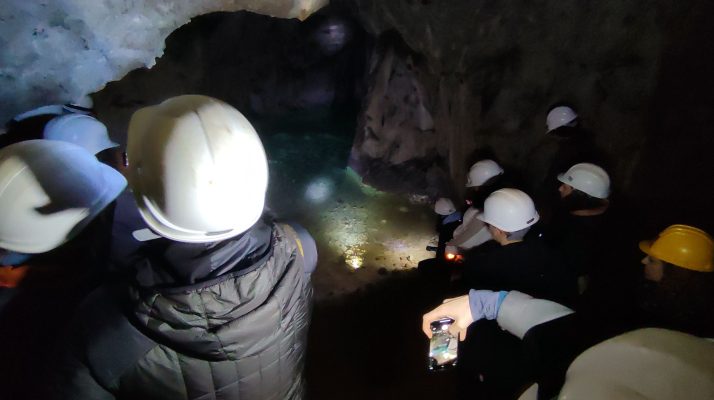
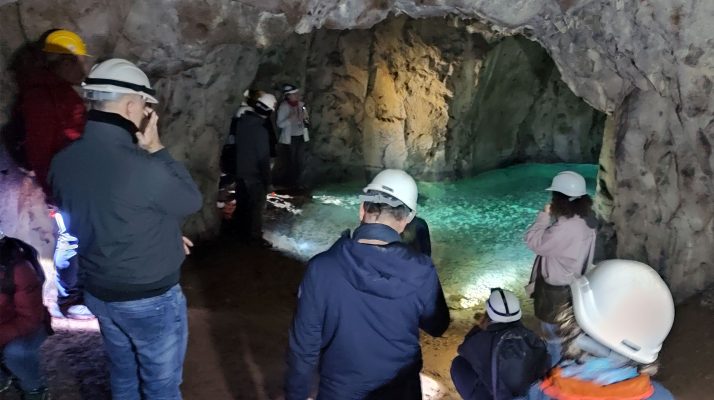
Among the most captivating features of the underground galleries are the subterranean lakes. These bodies of water, with their crystal-clear appearance, present an intriguing mystery to visitors and scholars alike. The lakes’ origins remain a topic of speculation, with theories ranging from natural groundwater seepage to artificial irrigation from the overlying monastery gardens. Regardless of their source, the lakes add an element of serenity to the otherwise austere environment, reflecting the interplay of light and shadow within the caverns.
The lakes’ fluctuating water levels further contribute to their allure, suggesting a dynamic hydrological system at play. This variability invites ongoing research and exploration, as understanding the lakes’ behavior could yield valuable insights into the broader environmental conditions of the Celio Hill. For tourists, the lakes represent a highlight of the visit, offering a moment of tranquility amidst the historical exploration. The lakes’ pristine condition underscores the importance of preserving this unique ecosystem, ensuring that future generations can appreciate its beauty and significance.
Access and Visitor Experience
Access to the underground galleries is via a staircase descending from the modern street level to the ancient Roman road. This transition from contemporary Rome to its ancient counterpart is a journey through time, as visitors leave behind the bustling city to enter a world shaped by history. The galleries’ entrance is unassuming, yet it opens into a vast network of tunnels that invite exploration and discovery.
Visitors are encouraged to equip themselves appropriately for the tour, with sturdy footwear and personal torches being essential for navigating the uneven terrain and dimly lit passages. The experience is both educational and immersive, providing a rare opportunity to walk in the footsteps of ancient Romans and witness firsthand the remnants of their industrious spirit. The underground galleries of the Temple of Claudius offer a distinctive perspective on Rome’s architectural heritage, revealing the hidden layers that lie beneath the city’s iconic surface.
Historical Overview of the Underground Quarry Galleries (Temple of Claudius)
The Underground Quarry Galleries beneath the Temple of Claudius represent a fascinating intersection of Roman engineering, history, and urban development. These subterranean passages, carved into the tufo rock, have served multiple purposes over the centuries, reflecting the dynamic evolution of the Celio area. From their initial use as quarries to their later roles in the urban landscape, these galleries offer a unique glimpse into the past.
Initially excavated to provide building materials, the galleries have witnessed significant historical events and transformations. The Temple of Claudius itself, a monumental tribute to the deified emperor, played a central role in shaping the area’s architectural and cultural landscape. Over time, the galleries have been repurposed and adapted, reflecting the changing needs and priorities of Rome’s inhabitants.
Early Roman Period and Construction (1st Century AD)
During the early Roman period, the area that would become the site of the Temple of Claudius was primarily utilized for its rich deposits of tufo. This volcanic stone was highly valued for construction, and the galleries were initially excavated to extract this material. The proximity of these quarries to the city center made them an ideal source of building materials for various public and private projects.
In 41 AD, Tiberius Claudius Drusus, known as Emperor Claudius, ascended to the throne. His reign marked a period of significant public works, including the completion of the Aqua Claudia and Anio Novus aqueducts. The Temple of Claudius, constructed on a massive podium measuring 180 by 200 meters, was a testament to his legacy. The temple’s construction likely utilized materials sourced from the nearby quarries, embedding the galleries in the fabric of Roman architectural history.
Transformation and Repurposing (Mid to Late 1st Century AD)
The infamous Great Fire of Rome in 64 AD, during the reign of Nero, provided an opportunity for urban transformation. Nero, seeking to reshape the city, demolished parts of the Temple of Claudius to make way for his opulent Domus Aurea. The eastern side of the temple’s podium was converted into a grand nymphaeum, fed by a branch of the Aqua Claudia, showcasing the adaptability of Roman engineering.
Following Nero’s downfall, Vespasian and his son Domitian sought to restore the temple to its former glory. Vespasian initiated the restoration, while Domitian extended the aqueduct arches to the Palatine Hill. This period of restoration highlights the continued importance of the temple and its surrounding structures in the Roman religious and cultural landscape.
Medieval and Modern Usage (Post-Roman Era to Present)
In the medieval period, the galleries beneath the Temple of Claudius underwent further transformation. The construction of the Convent of the Passionist Fathers atop the podium introduced new uses for the underground spaces. The galleries, once quarries, became repositories for debris and refuse, reflecting the evolving needs of the monastic community.
In recent years, the galleries have been the focus of archaeological interest and exploration. From 2004 to 2006, Roma Sotterranea conducted extensive mapping and analysis, uncovering intriguing features such as the lakes within the galleries. These explorations have not only deepened our understanding of the site’s history but also highlighted the potential for further discoveries beneath the surface of Rome.
Visiting the Underground Quarry Galleries (Temple of Claudius)
Access and Entry
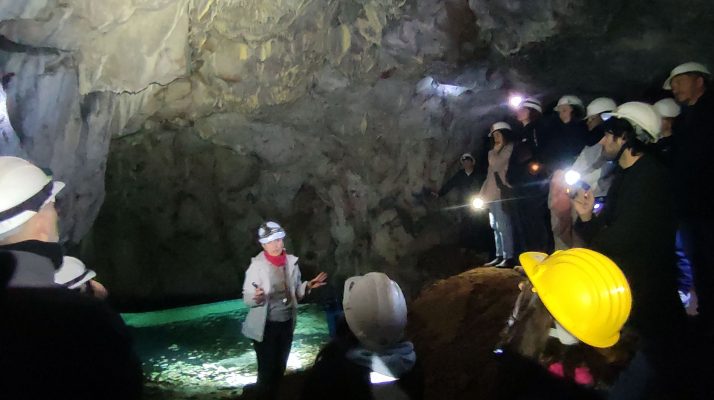
The Underground Quarry Galleries beneath the Temple of Claudius are a remarkable testament to the ancient engineering and resource extraction techniques of Rome. Visitors can access these subterranean passages through guided tours organized by specialized associations. The entrance is located near the historic Basilica of Santi Giovanni e Paolo on the Celian Hill, a site rich in history and architectural significance. The tours are designed to provide a safe and informative exploration of the galleries, emphasizing the historical and archaeological context of the site.
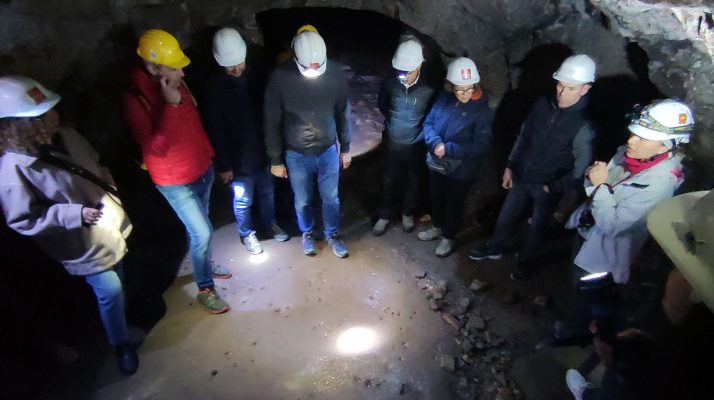
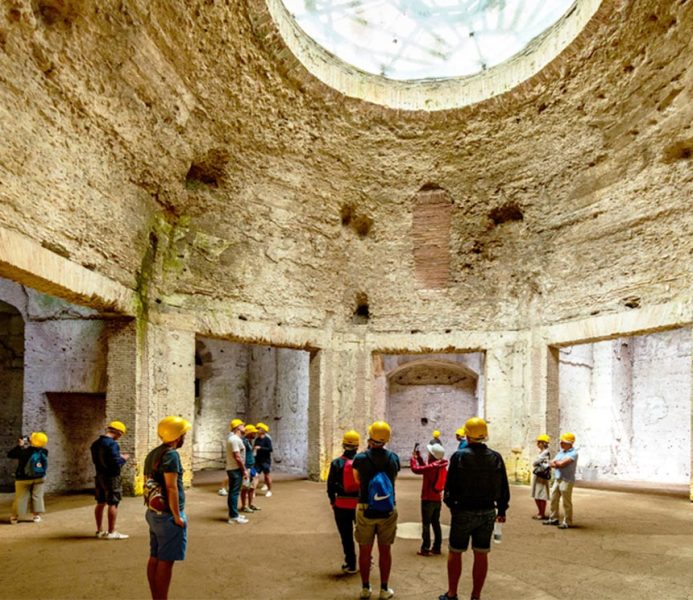
Due to the nature of the underground environment, the tours require participants to be in good physical condition, as the pathways are irregular and unlit, with frequent elevation changes. Visitors are advised to wear appropriate footwear and bring personal torches to navigate the dimly lit passages. Safety equipment, such as helmets, is typically provided by the tour operators to ensure a secure experience.
Exploring the Subterranean World
Once inside, visitors will find themselves immersed in a labyrinth of tunnels carved into the volcanic tuff, a material extensively used in Roman construction. The galleries reveal the ancient quarrying techniques employed over centuries, with evident pick marks on the walls testifying to the laborious extraction processes. These tunnels not only served as quarries but also played a role in the broader urban infrastructure of ancient Rome.
The tour offers a unique opportunity to view the foundations of the convent above and remnants of historical installations, such as old electrical systems. The highlight of the visit is undoubtedly the two small underground lakes, whose crystal-clear waters add a touch of mystery and allure to the experience. The origin of these lakes remains a topic of scholarly interest, with theories suggesting connections to natural aquifers or the irrigation systems of the overlying gardens.
Contextual Insights and Nearby Attractions
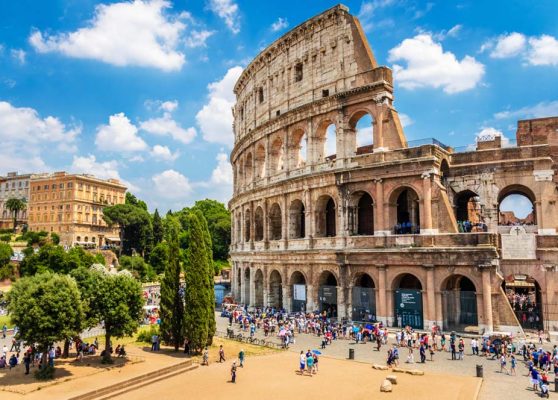
Visiting the Underground Quarry Galleries is an enriching experience that complements the broader exploration of Rome’s historical and archaeological heritage. The site is situated in proximity to other significant landmarks, such as the Colosseum and the Roman Forum, making it an ideal addition to a comprehensive itinerary of the Eternal City. The galleries provide a contrasting perspective to the grandeur of Rome’s surface monuments, offering insights into the city’s hidden layers and the ingenuity of its ancient inhabitants.
For those interested in delving deeper into the history of the Temple of Claudius and its surrounding area, the nearby Case Romane del Celio offers further exploration opportunities. These ancient Roman houses, adorned with beautiful frescoes, provide a glimpse into the domestic life of the past, enriching the visitor’s understanding of the cultural and historical tapestry of Rome.