The Temple of Claudius, known in Latin as *templum Divi Claudii*, stands as a testament to the architectural grandeur of ancient Rome. Constructed on the Caelian Hill in honor of the deified Emperor Claudius, this monumental structure was initiated in 54 AD by his wife, Agrippina the Younger, following his death. The temple’s original construction was interrupted by the Great Fire of Rome in 64 AD, under Emperor Nero, who repurposed it as a nymphaeum for his Domus Aurea. It was later restored by Vespasian, who ascended to the throne in 69 AD, reaffirming its significance in the Roman architectural landscape.
Situated on a vast rectangular platform, the temple was one of the most elevated structures in Rome, reaching 50 meters above sea level. Its strategic location overlooked the valley where the Colosseum would later be erected. Despite its historical importance, the temple’s narrative is sparsely documented in ancient sources, with only a few inscriptions surviving to this day. Over time, the temple’s robust foundations have supported various medieval constructions, showcasing the enduring legacy of Roman engineering and its adaptive reuse through the centuries.
Description of the Temple of Claudius
The Temple of Claudius, a testament to the architectural prowess of ancient Rome, stands as a significant historical and cultural landmark. Situated on the northern part of the Caelian Hill, it offers visitors a glimpse into the grandeur of Roman religious architecture. The temple, originally constructed in honor of the deified Emperor Claudius, presents a fascinating blend of architectural elements that reflect the changing times and rulers of ancient Rome. Visitors to the site can explore the remnants of its grand platform, the intricate masonry, and the adaptive reuse of its structures over centuries. Key areas of interest include the imposing platform, the remaining structural elements, and the medieval adaptations that have preserved parts of the temple.
While much of the temple’s original grandeur has been lost to time, the site still offers a rich tapestry of history for those who visit. Tourists can observe the robust construction techniques of the Romans, evident in the massive retaining walls and the remnants of the temple’s facade. The site also provides an opportunity to explore the interplay between ancient Roman architecture and medieval constructions, as seen in the integration of the temple’s remains into later buildings. This blend of eras offers a unique perspective on the evolution of architectural styles and the enduring legacy of Roman engineering.
The Grand Platform
The grand platform of the Temple of Claudius is one of its most striking features, showcasing the impressive scale of Roman architectural ambition. Measuring approximately 180 by 200 meters, this rectangular platform was partially artificial, supported by substantial retaining walls. These walls, particularly on the southern side, reached heights of up to 15 meters, illustrating the Romans’ mastery of engineering and construction. The platform itself was elevated to a height of 50 meters above sea level, making the temple one of the tallest structures in ancient Rome.
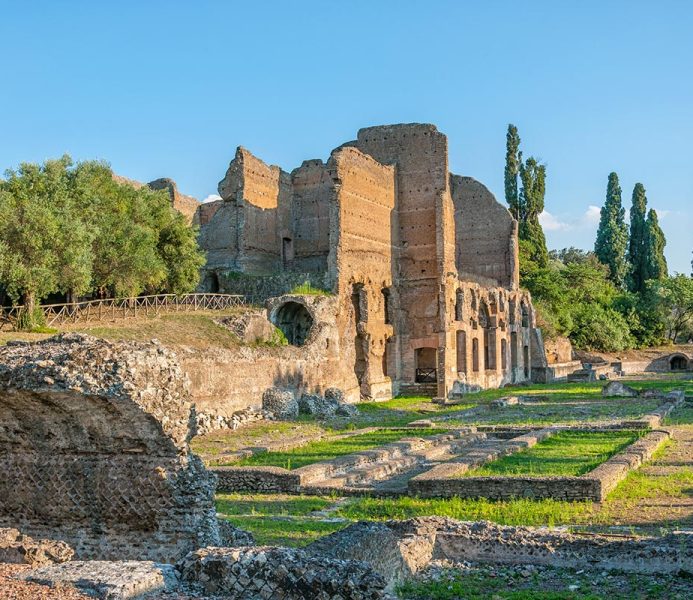
Visitors today can witness the remnants of these retaining walls, which continue to convey the temple’s former grandeur. The use of large travertine blocks in a rustic style is evident, a precursor to the later bugnato technique. This style can also be seen in other contemporary structures, such as the Porta Maggiore and the aqueducts of the Aqua Claudia. The platform’s design allowed for a commanding view of the surrounding area, including the valley where the Colosseum would later be constructed, emphasizing the temple’s significance in the urban landscape of ancient Rome.
Architectural Remnants and Structural Elements
The architectural remnants of the Temple of Claudius provide a fascinating insight into the construction techniques and stylistic choices of the period. The temple was oriented towards the Palatine Hill and featured an imposing staircase leading to its entrance. The pronaos, or porch, was characterized by an esastyle arrangement, with three rows of six columns each, leading to a cella that was notably devoid of columns. This design choice emphasized the temple’s monumental scale and the importance of open space within its sacred precinct.
While the temple’s superstructure no longer survives, the surviving elements offer a glimpse into its original form. The western facade, for instance, was adorned with travertine arcades on two levels, with flat arches on the lower level and curved arches above. These were framed by Doric pilasters, with only the capitals finely finished, indicative of the rustic aesthetic prevalent during the reign of Claudius. Behind this facade ran a street lined with brick tabernae, or shops, showcasing the integration of commercial and religious spaces in Roman urban planning.
Medieval Adaptations and Reuse
The medieval adaptations of the Temple of Claudius are a testament to the enduring utility of Roman structures and the pragmatic approach to architecture in later periods. After the temple fell into disuse, its robust foundations and walls were repurposed for new constructions. Notably, the site became home to the Basilica of Santi Giovanni e Paolo, with parts of the temple’s western facade incorporated into the basilica’s campanile. This reuse of ancient materials and structures is a common theme in Roman architecture, reflecting the continuity and adaptation of the built environment over time.
Visitors can observe the medieval modifications to the temple’s remains, including the addition of buttresses and new construction techniques that reflect the changing architectural styles of the Middle Ages. The integration of the temple’s ruins into the basilica complex highlights the layered history of the site and offers a unique opportunity to explore the intersection of ancient and medieval architecture. This adaptive reuse not only preserved parts of the temple but also ensured its continued relevance in the urban fabric of Rome.
Subterranean Features and Hidden Elements
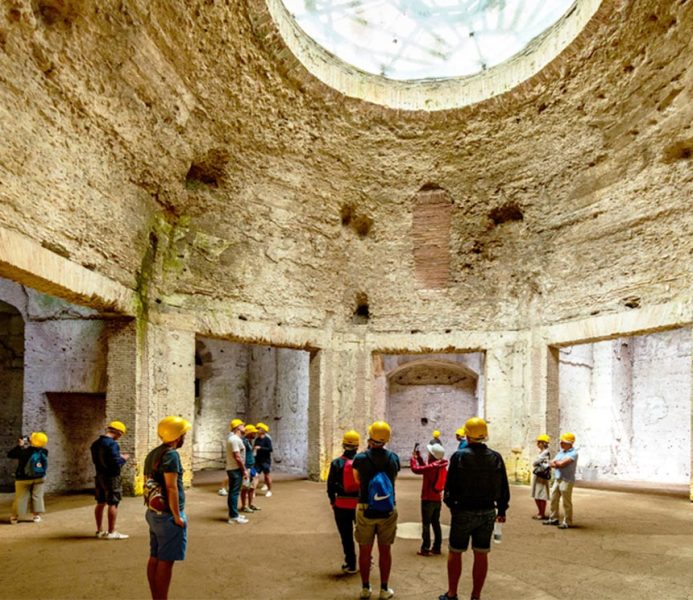
The subterranean features of the Temple of Claudius add another layer of intrigue to this historical site. Beneath the grand platform lies a network of tunnels and chambers, carved into the tuff and used for various purposes over the centuries. These underground spaces, some of which predate the temple itself, may have served as quarries or storage areas, and they provide a fascinating glimpse into the hidden aspects of Roman engineering.
Exploring these subterranean elements offers visitors a chance to delve into the less visible aspects of the temple’s history. The tunnels and chambers, with their conical waste deposits and small lakes, hint at the complex interplay between natural and man-made environments in ancient Rome. These features also raise questions about the temple’s construction and the logistical challenges faced by its builders, providing a deeper understanding of the ingenuity and resourcefulness of Roman architects and engineers.
History of the Temple of Claudius
Temple of Claudius, a monumental edifice in ancient Rome, stands as a testament to the architectural grandeur and historical significance of the Roman Empire. Situated on the northern part of the Caelian Hill, the temple was originally constructed to honor the deified Emperor Claudius. Over the centuries, it underwent various transformations and adaptations, reflecting the changing political and cultural landscape of Rome.
The temple’s history is marked by its initial construction, subsequent damage and restoration, and eventual repurposing. Each phase of its existence provides insight into the architectural practices, religious customs, and political dynamics of the Roman Empire.
Initial Construction and Dedication (54 AD)
The construction of the Temple of Claudius commenced in 54 AD, shortly after the death of Emperor Claudius. It was initiated by his wife, Agrippina the Younger, who sought to honor her husband by deifying him. The temple was strategically positioned to overlook the valley where the Colosseum would later be built, symbolizing Claudius’s enduring legacy.
This initial phase of construction was characterized by the use of grand architectural elements, including a vast rectangular platform and an imposing staircase. The temple’s orientation towards the Palatine Hill further emphasized its significance within the urban landscape of Rome.
Destruction and Adaptation under Nero (64 AD)
In 64 AD, the Great Fire of Rome caused significant damage to the Temple of Claudius. During the reign of Emperor Nero, the temple’s remains were repurposed as a nymphaeum for his opulent Domus Aurea. This adaptation involved connecting the site to the Aqua Claudia aqueduct via the Arcus Neroniani, showcasing Nero’s penchant for grandiose architectural projects.
Despite the temple’s transformation, its original purpose as a place of worship was overshadowed by Nero’s personal ambitions. The nymphaeum served as a testament to the emperor’s desire to integrate natural elements into his architectural vision.
Restoration by Vespasian (69 AD)
Following Nero’s death and the subsequent political upheaval, Emperor Vespasian undertook the restoration of the Temple of Claudius. Ascending to the throne in 69 AD, Vespasian sought to restore the temple to its former glory, reaffirming its religious significance and architectural splendor.
This restoration effort was part of Vespasian’s broader initiative to rebuild Rome and restore stability to the empire. The temple’s reconstruction symbolized a return to traditional Roman values and religious practices, aligning with Vespasian’s vision for the future of Rome.
Medieval Repurposing and Decline (5th Century – 13th Century)
In the 5th century, the site of the Temple of Claudius underwent a significant transformation with the construction of the Basilica of Saints John and Paul. This marked the beginning of a new era for the temple, as its robust structures were repurposed to support the burgeoning Christian community in Rome.
Throughout the medieval period, the temple’s remains were further integrated into the architectural fabric of the city. Successive popes and religious figures expanded the adjoining convent, utilizing the temple’s sturdy foundations to support new constructions. By the 13th century, the temple’s original purpose had been largely forgotten, overshadowed by its role in the evolving religious landscape of Rome.
Visiting the Temple of Claudius
Current Condition and Accessibility
The Temple of Claudius, located on the Caelian Hill in Rome, stands as a testament to the grandeur of ancient Roman architecture. However, visitors should be aware that the temple is not fully accessible for interior exploration due to its current condition and the structures built over it. The site is primarily observable from the outside, with its impressive ruins integrated into the surrounding landscape. The remnants of the temple can be seen as part of the broader architectural complex that includes the Basilica of Santi Giovanni e Paolo.
While the temple itself is not open for internal visits, the external views offer a glimpse into the past, showcasing the monumental scale of the ancient structure. The site is a significant point of interest for those exploring the historical layers of Rome, providing a unique opportunity to appreciate the blend of ancient and medieval architecture.
Nearby Attractions and Itinerary Integration
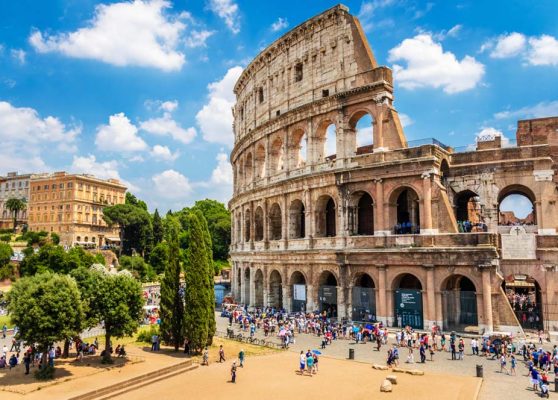
Visitors to the Temple of Claudius can easily incorporate this site into a broader itinerary that includes other notable attractions on the Caelian Hill. The nearby Basilica of Santi Giovanni e Paolo, with its medieval architecture, provides a fascinating contrast to the ancient ruins of the temple. Additionally, the Colosseum, one of Rome’s most iconic landmarks, is located within walking distance, making it convenient to explore both sites in a single visit.
The area surrounding the Temple of Claudius is rich in history and offers numerous opportunities for cultural exploration. Walking tours often include this site as part of a comprehensive exploration of Rome’s ancient and medieval past, allowing visitors to gain a deeper understanding of the city’s historical evolution.
Practical Tips for Visitors
When planning a visit to the Temple of Claudius, it is advisable to wear comfortable footwear, as the terrain around the ruins can be uneven. Photography enthusiasts will find plenty of opportunities to capture the dramatic interplay of light and shadow on the ancient stones, especially during the early morning or late afternoon.
While access to the temple’s interior is restricted, visitors can still enjoy the serene atmosphere of the surrounding area. It is recommended to combine the visit with a leisurely stroll through the nearby gardens and parks, which offer a peaceful retreat from the bustling city. Engaging with a knowledgeable guide can enhance the experience, providing valuable insights into the historical significance of the temple and its role in the broader context of Roman history.