Ponte Sant’Angelo, originally known as Ponte Elio, stands as a testament to the architectural and historical legacy of ancient Rome. Constructed between 130 and 135 AD under the reign of Emperor Publius Aelius Hadrianus, this iconic bridge was designed by the architect Demetriano to serve as a grand approach to Hadrian’s Mausoleum, now known as Castel Sant’Angelo. The bridge’s robust structure, initially composed of peperino stone and travertine, has witnessed numerous transformations over the centuries, reflecting the evolving urban landscape of Rome.
Throughout the Middle Ages, the bridge was colloquially referred to as Ponte San Pietro, due to its strategic position as the primary access route to the Vatican Basilica. The current name, Ponte Sant’Angelo, is derived from a vision by Pope Gregory the Great in 590 AD, who reportedly saw the Archangel Michael sheathing his sword atop the Mausoleum, symbolizing the end of a devastating plague. This vision led to the enduring association of the bridge and the castle with the Archangel, further cemented by the installation of a statue commemorating the event. The bridge has also served various civic and ceremonial functions, including as a site for public executions during the Renaissance.
Description of St. Angelo Bridge
The St. Angelo Bridge, an architectural marvel of ancient Rome, serves as a testament to the city’s rich historical tapestry. As visitors traverse this iconic structure, they are greeted by a blend of ancient Roman engineering and Renaissance artistry. The bridge, originally known as the Pons Aelius, offers a picturesque view of the Tiber River and connects the heart of Rome to the historic Castel Sant’Angelo. Tourists can explore the bridge’s intricate sculptures, which narrate stories from religious texts, and appreciate the harmonious blend of materials that have withstood the test of time. Key highlights include the statues of angels, each carrying a symbol of the Passion of Christ, and the majestic figures of Saints Peter and Paul, which stand as guardians at the bridge’s entrance.
Architectural Design and Structure
Constructed in 134 AD under the reign of Emperor Hadrian, the St. Angelo Bridge exemplifies the ingenuity of Roman engineering. The bridge was initially designed as a grand approach to Hadrian’s mausoleum, now known as Castel Sant’Angelo. Its robust structure comprises five arches, crafted from peperino stone and elegantly clad in travertine, a material favored for its durability and aesthetic appeal. The central arches, with a maximum span of 18 meters, demonstrate the Romans’ mastery in creating enduring infrastructures. Over the centuries, the bridge underwent several modifications, including the addition of modern arches in the late 19th century to accommodate the widening of the Tiber River’s embankments.
Visitors can observe the meticulous craftsmanship in the bridge’s construction, from the precise alignment of the arches to the intricate detailing on the travertine cladding. The bridge’s surface features a wide pedestrian pathway flanked by high sidewalks, originally designed to manage the flow of pilgrims and citizens alike. The strategic use of materials not only ensured the bridge’s longevity but also contributed to its aesthetic harmony with the surrounding landscape.
Artistic Elements and Statues
The St. Angelo Bridge is adorned with ten angelic statues, commissioned by Pope Clement IX in the 17th century, which add a layer of spiritual significance to the structure. These angels, designed under the guidance of the renowned artist Gian Lorenzo Bernini, each hold an instrument of the Passion of Christ, creating a visual narrative that resonates with the religious heritage of Rome. The angels are strategically positioned along the bridge, elevated on pedestals that allow them to be silhouetted against the Roman sky, a deliberate choice to enhance their ethereal presence.
Among the statues, the Angel with the Cross and the Angel with the Crown of Thorns are particularly noteworthy. Although the original sculptures by Bernini were deemed too exquisite to be exposed to the elements, their replicas continue to captivate visitors with their expressive detailing and emotive postures. The statues of Saint Peter and Saint Paul at the bridge’s entrance further enrich the artistic experience. These figures, each holding their traditional symbols—the keys of heaven and the sword—serve as a reminder of their pivotal roles in the Christian faith.
Historical Significance and Curiosities
The St. Angelo Bridge has been a silent witness to numerous historical events, from medieval pilgrimages to dramatic executions. Its strategic location made it a focal point during the Jubilee of 1450, when a tragic accident led to the deaths of many pilgrims. This incident prompted significant changes to the bridge’s structure, including the removal of obstructive buildings at its entrance to facilitate safer passage. Such historical episodes are etched into the bridge’s legacy, offering visitors a glimpse into the tumultuous yet fascinating past of Rome.
Curiously, the bridge’s name, St. Angelo, is derived from a legendary vision experienced by Pope Gregory the Great in 590 AD. During a procession, the pope reportedly saw the Archangel Michael sheathing his sword atop the mausoleum, symbolizing the end of a devastating plague. This vision led to the renaming of both the bridge and the mausoleum, cementing their place in the annals of Roman history. Today, tourists can reflect on these stories as they walk across the bridge, imagining the countless footsteps that have traversed its stones over the centuries.
History of St. Angelo Bridge
The St. Angelo Bridge, originally known as the Pons Aelius, stands as a testament to the architectural and historical evolution of Rome. Constructed under the auspices of Emperor Hadrian, the bridge has witnessed numerous transformations and events that have shaped its legacy. From its inception in the Roman Empire to its role in medieval and modern times, the bridge has been a silent observer of Rome’s dynamic history.
Roman Origins and Construction (130-135 AD)
The St. Angelo Bridge was commissioned by Emperor Hadrian as a grand access route to his mausoleum, now known as Castel Sant’Angelo. Designed by the architect Demetriano, the bridge was constructed using robust materials like peperino stone, later clad in travertine, which provided both durability and aesthetic appeal. The bridge originally featured three main arches, with additional smaller arches supporting the approach ramps on either side of the river.
During the Roman period, the bridge served not only as a functional passage but also as a symbol of Hadrian’s architectural vision and his desire to connect the city with his monumental tomb. The bridge’s strategic location over the Tiber River made it an essential part of Rome’s infrastructure, facilitating the movement of people and goods across the city.
Medieval Transformations and Usage (6th-15th Century)
In the Middle Ages, the bridge underwent significant changes, both in its structure and its role in the city. It became known as the Ponte Sant’Angelo following a legendary vision of the Archangel Michael by Pope Gregory the Great in 590 AD, which signified the end of a devastating plague. This vision led to the renaming of both the bridge and the mausoleum.
The bridge also became a crucial route for pilgrims traveling to the Basilica of St. Peter, earning it the moniker “Ponte di San Pietro.” During the Jubilee of 1450, a tragic incident occurred when the bridge’s balustrades collapsed under the weight of a massive crowd, resulting in numerous fatalities. This event prompted structural reinforcements and the construction of two small chapels dedicated to St. Mary Magdalene and the Holy Innocents, which were later removed.
Renaissance Enhancements and Artistic Embellishments (16th-17th Century)
The Renaissance period saw the bridge adorned with artistic elements that enhanced its grandeur. In 1535, Pope Clement VII commissioned the installation of statues of St. Peter and St. Paul at the bridge’s entrance, crafted by noted artists of the time. These statues were later complemented by additional sculptures representing the four evangelists and patriarchs, although many of these were lost over time.
Under the direction of Gian Lorenzo Bernini, the bridge underwent a significant transformation in the late 17th century. Pope Clement IX commissioned Bernini to design a series of ten angel statues, each carrying a symbol of the Passion of Christ. These statues, crafted by Bernini’s pupils under his supervision, added a new layer of spiritual and artistic significance to the bridge, making it a celebrated example of Baroque art.
Modern Restorations and Preservation Efforts (19th-21st Century)
The 19th century brought about structural changes to accommodate the evolving needs of the city. In 1892, as part of a broader initiative to manage the Tiber’s flood risks, the bridge was expanded to include five identical arches, replacing the original smaller arches. This renovation maintained the bridge’s historical integrity while enhancing its functionality.
In recent years, efforts have been made to preserve and restore the bridge’s artistic and architectural elements. The Caput Mundi program, initiated in the 21st century, includes restoration projects aimed at maintaining the bridge’s statues and structural features. These efforts ensure that the St. Angelo Bridge remains a vital part of Rome’s cultural heritage, continuing to inspire visitors with its historical and artistic legacy.
Visiting St. Angelo Bridge
Approaching the Bridge
Visitors to St. Angelo Bridge in Rome are greeted by a structure steeped in history, offering a unique glimpse into the architectural and cultural evolution of the city. As you approach the bridge, the majestic view of Castel Sant’Angelo provides a dramatic backdrop, enhancing the historical ambiance of the area. The bridge itself is a pedestrian-only zone, allowing visitors to leisurely stroll across while absorbing the intricate details of its construction and the surrounding vistas.
The bridge is easily accessible from various parts of the city, with nearby public transport options including buses and metro stations. The location serves as a natural connector between the historical center of Rome and the Vatican, making it an ideal starting point or stopover in a broader exploration of the city’s rich heritage. As you walk along the bridge, the views of the Tiber River and the bustling life along its banks offer an engaging experience for history enthusiasts and casual visitors alike.
Experiencing the Statues
St. Angelo Bridge is adorned with ten angelic statues, each carrying symbols of the Passion of Christ, designed under the direction of the renowned artist Gian Lorenzo Bernini. These statues, positioned along the bridge, invite contemplation and admiration for their artistic and religious significance. The angels are elevated on pedestals, creating a striking silhouette against the sky, and are positioned to appear as if they are floating above the bridge, enhancing their ethereal presence.
While the original sculptures by Bernini were deemed too precious to be exposed to the elements and are now housed in a nearby church, the replicas on the bridge still capture the grandeur and emotional depth of the originals. Visitors are encouraged to take their time to appreciate the craftsmanship and the historical narratives each statue embodies, providing a deeper understanding of the artistic legacy of the Baroque period.
Nearby Attractions and Practical Tips
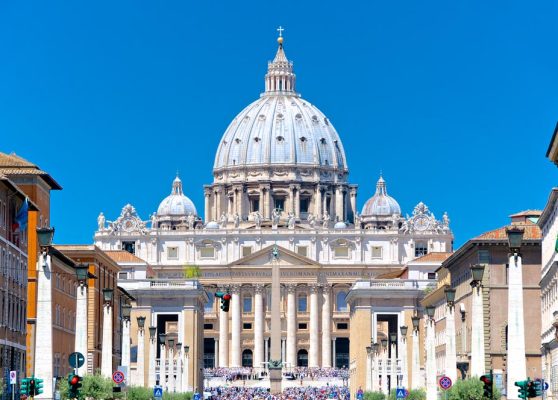
St. Angelo Bridge is strategically located near several key attractions, making it a convenient part of a broader itinerary in Rome. Just a short walk away is the Vatican City, home to St. Peter’s Basilica and the Vatican Museums, offering a wealth of religious and artistic treasures. Additionally, the vibrant neighborhoods on either side of the bridge provide numerous opportunities for dining, shopping, and exploring local culture.
For those planning a visit, it is advisable to wear comfortable footwear, as the cobblestone surfaces and the length of the bridge can be demanding on foot. The area can become crowded, especially during peak tourist seasons, so visitors may wish to plan their visit during quieter times for a more serene experience. While there is no fee to access the bridge, guided tours are available for those seeking a more in-depth historical perspective.