The Museo Storico della Fanteria, located in the heart of Rome at Piazza Santa Croce in Gerusalemme, stands as a testament to Italy’s rich military history. Established in 1956, the museum was inaugurated three years later, on November 11, 1959, by then-President Giovanni Gronchi. This institution is under the jurisdiction of the Comando Militare della Capitale and serves as a repository of the Italian Army’s proud traditions and achievements.
The museum is renowned for its comprehensive collections, which are meticulously organized into three primary sectors: weapons, flags, and uniforms. Visitors can explore an extensive array of exhibits that include a historical library, an archive, and a sacrarium. The museum’s architecture features 35 rooms and five galleries, offering a vivid portrayal of Italy’s military past. Notable artworks, such as the statue of the “Partente” by B. Poidimani and “Redentore sulla croce” by Edmondo Furlan, enrich the museum’s cultural tapestry. Despite its closure in 2023, the Museo Storico della Fanteria remains a significant cultural landmark, with parts of its space now dedicated to art exhibitions.
Description of Museo Storico della Fanteria
The Museo Storico della Fanteria, nestled in the heart of Rome, offers visitors a unique glimpse into the rich tapestry of Italy’s military history. This museum, though primarily dedicated to the infantry, also provides insights into various military specializations and historical epochs. As visitors step into the museum, they are greeted by a collection that spans several centuries, showcasing the evolution of military tactics, uniforms, and weaponry. The museum is divided into distinct sections, each meticulously curated to offer a comprehensive understanding of Italy’s military heritage. Tourists can explore a variety of exhibits, from ancient armaments to modern military artifacts, each telling a story of valor and tradition.
Upon visiting the Museo Storico della Fanteria, tourists will find themselves immersed in a world where history comes alive through the detailed displays of military memorabilia. The museum is not only a repository of historical artifacts but also serves as an educational space where visitors can learn about the strategic and tactical advancements in military history. Among the highlights are the sections dedicated to the two World Wars, which provide a sobering reflection on the past, as well as the impressive collection of military uniforms and flags that illustrate the changing face of the Italian infantry over the years.
The Armory and Weaponry Collection
The armory section of the Museo Storico della Fanteria is a testament to the evolution of military technology and strategy. Visitors are presented with an extensive array of weaponry, ranging from ancient swords and muskets to more contemporary firearms. Each piece is displayed with detailed descriptions, offering insights into its historical context and usage. The collection is not just a display of arms but a narrative of technological progression, showcasing how advancements in weaponry have influenced military tactics and outcomes over the centuries.
In addition to the weaponry, the armory section also includes various military equipment used by the Italian infantry. This includes protective gear, communication devices, and other essential tools that have been part of the soldier’s arsenal. The exhibit is designed to provide a comprehensive understanding of the challenges faced by infantrymen and the innovations that have been developed to overcome them. This section is particularly engaging for those interested in the technical aspects of military history, offering a detailed look at the tools of warfare.
Uniforms and Banners: A Journey Through Time
The uniforms and banners section of the museum offers a vibrant display of the sartorial evolution of the Italian infantry. Visitors can witness the transformation of military attire, from the ornate and colorful uniforms of the past to the more functional and subdued designs of the modern era. Each uniform tells a story, reflecting the changing priorities and conditions faced by soldiers throughout history. The intricate details and craftsmanship of these garments are a testament to the pride and tradition that have long been associated with military service.
Alongside the uniforms, the collection of banners and flags provides a visual narrative of Italy’s military campaigns. These symbols of honor and identity have been carried into battle, representing the spirit and resolve of the troops. The flags are displayed with reverence, each accompanied by information about its significance and the battles in which it was flown. This section of the museum is particularly poignant, offering a glimpse into the emotional and symbolic aspects of military history.
The Sacrario and Artistic Installations
The sacrario, or memorial area, of the Museo Storico della Fanteria is a space dedicated to reflection and remembrance. It houses various artistic installations that pay homage to the sacrifices made by soldiers throughout Italy’s military history. Among these is the striking statue of the “Partente” by B. Poidimani, located on the ground floor. This sculpture captures the solemnity and resolve of a soldier departing for battle, serving as a powerful reminder of the personal cost of war.
Another notable piece is the “Redentore sulla croce” by Edmondo Furlan, situated within the sacrario. This artwork, with its religious undertones, offers a moment of contemplation, inviting visitors to reflect on the broader implications of conflict and sacrifice. The sacrario is a place of quiet dignity, providing a space for visitors to honor the memory of those who have served and to consider the enduring impact of military service on individuals and society as a whole.
Library and Historical Archives
The museum’s library and historical archives serve as a resource for scholars and enthusiasts alike, offering a wealth of information on military history. The library houses a vast collection of books, documents, and photographs, providing insights into the strategies, battles, and personalities that have shaped Italy’s military past. Researchers can delve into primary sources, gaining a deeper understanding of the historical context and the decisions that have influenced military outcomes.
The archives also include personal letters and diaries from soldiers, offering a more intimate perspective on the experiences of those who served. These firsthand accounts provide a human element to the historical narrative, allowing visitors to connect with the past on a personal level. The library and archives are an invaluable resource for anyone interested in exploring the complexities and nuances of military history, offering a comprehensive view of Italy’s martial heritage.
History of Museo Storico della Fanteria
The Museo Storico della Fanteria, nestled in the heart of Rome, stands as a testament to Italy’s rich military history. Established in the mid-20th century, the museum has undergone various transformations, reflecting the evolving narrative of the Italian infantry. Its history is marked by periods of innovation, preservation, and adaptation, making it a pivotal institution for both military enthusiasts and historians.
The Conceptualization and Early Efforts (Post-World War I – 1956)
The inception of the Museo Storico della Fanteria can be traced back to the aftermath of World War I. During this period, various regiments of the Italian infantry took the initiative to establish small sanctuaries within their barracks. These sanctuaries were dedicated to preserving the memories and traditions of the infantry, showcasing artifacts and memorabilia that highlighted their valor and contributions. However, the devastation of World War II led to the unfortunate loss or destruction of many of these cherished relics.
In the post-war era, the Italian Army’s General Staff recognized the need to consolidate and preserve the history of the infantry in a more formal setting. General Edoardo Scala was tasked with gathering materials for a dedicated museum, although finding a suitable location proved challenging. It wasn’t until 1956 that General Attilio Bruno succeeded in securing a site adjacent to the Museo Storico dei Granatieri di Sardegna. With the support of military authorities and the Ministry of Defense, the groundwork was laid for the museum’s establishment.
Inauguration and Early Years (1959 – 1986)
The Museo Storico della Fanteria was officially inaugurated on November 11, 1959, by then-President Giovanni Gronchi. This marked a significant milestone in the preservation of Italy’s military heritage. The museum quickly became a repository of historical artifacts, including weapons, flags, and uniforms, meticulously curated to offer a comprehensive overview of the infantry’s evolution. The museum’s layout was designed to provide visitors with an immersive experience, featuring a library, historical archive, and a sacrarium.
In 1986, the museum achieved the status of Ente di Forza Armata, further solidifying its importance within the military and cultural landscape of Italy. This period also saw a concerted effort to enhance the museum’s offerings, with various donations and acquisitions enriching its collection. The museum’s commitment to preserving and showcasing Italy’s military history remained unwavering, attracting visitors from around the world.
Renovations and Modernization (1990 – 2016)
The 1990s heralded a new era for the Museo Storico della Fanteria, as it underwent significant renovations to modernize its facilities. These efforts were aimed at enhancing the visitor experience, ensuring that the museum remained a relevant and engaging destination for future generations. The renovations included updates to the exhibition spaces, as well as the introduction of new technological elements to aid in the interpretation of the museum’s extensive collection.
In 2016, the museum reopened after a period of closure for further renovations, unveiling a special exhibition dedicated to the First World War. This exhibition was part of a broader initiative to commemorate the centenary of the conflict, offering visitors a poignant reflection on the sacrifices and contributions of the Italian infantry during this tumultuous period. The museum’s dedication to preserving and interpreting military history continued to be a cornerstone of its mission.
Recent Developments and Current Status (2023 – Present)
As of 2023, the Museo Storico della Fanteria remains closed to the public. This closure has been attributed to ongoing considerations regarding the museum’s role and function within the broader context of Rome’s cultural heritage landscape. Portions of the museum’s space have been repurposed for art exhibitions, reflecting a shift in focus and utilization.
Despite its closure, the museum’s legacy endures, serving as a symbol of Italy’s rich military history and the enduring spirit of the infantry. The Museo Storico della Fanteria continues to be a subject of interest and study, with ongoing discussions about its future and potential reopening. The museum’s history, marked by resilience and adaptation, remains a testament to the enduring significance of preserving and celebrating Italy’s military heritage.
Visiting Museo Storico della Fanteria
Exploring the Museum’s Offerings
Visitors to the Museo Storico della Fanteria can anticipate an immersive experience into the rich history of Italy’s infantry. The museum is renowned for its extensive collection, which is meticulously divided into three primary sectors: arms, flags, and uniforms. Each section offers a unique glimpse into the evolution of military attire and weaponry, showcasing artifacts from various periods, including the First and Second World Wars. Notably, the museum also houses a library and historical archive, providing an invaluable resource for those interested in military history.
The museum’s interior is thoughtfully designed to guide visitors through its 35 rooms, which include five galleries and various antechambers. Among the highlights are significant donations and acquisitions, including paintings, drawings, and sculptures. The ground floor features the striking statue of “Partente” by B. Poidimani, while the sacrarium houses the poignant “Redentore sulla croce” by Edmondo Furlan. These artistic pieces complement the historical artifacts, offering a comprehensive cultural experience.
Incorporating the Museum into a Broader Visit
Given its location in Rome, the Museo Storico della Fanteria can be seamlessly integrated into a broader exploration of the city’s historical and cultural landmarks. Situated near the Piazza Santa Croce in Gerusalemme, the museum is accessible from several key transportation hubs, including the San Giovanni and Manzoni stations. This makes it an ideal stop for those embarking on a day of sightseeing in Rome.
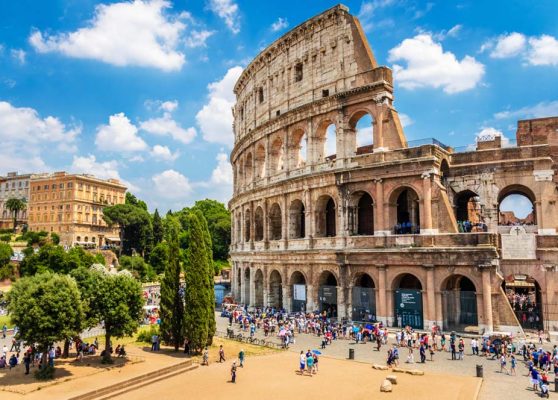
Visitors may consider pairing their museum visit with a tour of nearby attractions, such as the Basilica di Santa Croce in Gerusalemme or the Colosseum, to enrich their understanding of Rome’s historical tapestry. This approach allows tourists to appreciate the interconnectedness of military history with the broader cultural and historical narratives of the city.
Visitor Tips and Ticket Information
While planning a visit to the Museo Storico della Fanteria, it is advisable to check for any temporary exhibitions that might be on display, as these can provide additional insights into specific historical themes or figures. Although the museum is currently closed, it is worth monitoring future developments regarding its reopening, as the institution has previously hosted notable art exhibitions in its space.
When the museum is operational, tickets are typically available for purchase on-site. It is recommended that visitors allocate sufficient time to explore the museum thoroughly, given its extensive collection and the depth of information available. Engaging with the museum’s offerings can provide a profound appreciation for the history and heritage of Italy’s infantry, making it a worthwhile addition to any itinerary focused on Rome’s cultural and historical heritage.