The Doria Pamphilj Gallery, located in the heart of Rome, is a prestigious private collection housed within the historic Palazzo Doria Pamphilj. This palatial residence, nestled between Via del Corso and Piazza del Collegio Romano, serves as a testament to the rich cultural heritage and artistic patronage of the Doria Pamphilj family. The gallery’s origins trace back to 1651, when Giambattista Pamphilj, who ascended to the papacy as Pope Innocent X, established a fideicommissum to preserve the family’s burgeoning art collection. This collection was further enriched through strategic marital alliances and acquisitions, notably with the inclusion of masterpieces by renowned artists such as Raffaello, Tiziano, and Caravaggio.
Today, the Doria Pamphilj Gallery stands as a beacon of artistic excellence, showcasing an extensive array of paintings, sculptures, and decorative arts. The gallery’s layout, designed by the architect Francesco Nicoletti, allows visitors to explore a succession of ornately decorated galleries. These spaces, adorned with frescoes and intricate designs, provide a fitting backdrop for the masterpieces they house, including the celebrated Portrait of Innocent X by Diego Velázquez. The gallery remains under the stewardship of the Doria Pamphilj Trust, ensuring its preservation and continued contribution to Rome’s cultural landscape.
Description of Doria Pamphilj Gallery
The Doria Pamphilj Gallery, nestled in the heart of Rome, offers visitors a unique glimpse into the opulent world of Italian nobility through its architectural grandeur and extensive art collections. As one steps into this historic space, the gallery unfolds a tapestry of artistic and architectural marvels that span several centuries. Tourists can explore the intricately designed rooms and hallways, each adorned with masterpieces from renowned artists, and witness the evolution of art and architecture from the Renaissance to the Baroque period. Among the highlights are the Ritratto di Innocenzo X by Diego Velázquez and the stunning Galleria degli Specchi, which captivate visitors with their historical significance and artistic brilliance.
The Renaissance Courtyard and Surrounding Galleries
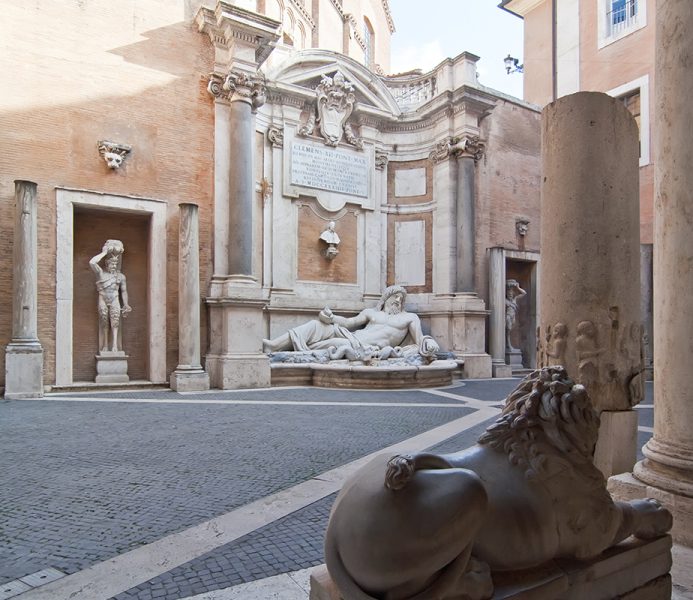
The journey begins at the Renaissance courtyard, a serene space attributed to Bramante, which serves as the nucleus around which the gallery is organized. This courtyard, with its symmetrical layout and classical proportions, exemplifies the Renaissance ideals of harmony and balance. The surrounding galleries, known as the Bracci, were constructed between 1731 and 1734 by architect Gabriele Valvassori. These galleries are meticulously decorated, with frescoes and stucco work that reflect the artistic trends of the time. Visitors can observe how these architectural elements create a cohesive narrative that guides them through the gallery’s vast collection.
Each of the four Bracci offers a distinct experience. The Braccio di Tiziano, for instance, houses an impressive array of paintings from the Renaissance and Baroque periods, including works by Tiziano, Raffaello, and Caravaggio. The paintings are displayed in a manner that respects the original 18th-century arrangement conceived by architect Francesco Nicoletti. This thoughtful curation allows visitors to appreciate the historical context and artistic evolution of the collection.
The Galleria degli Specchi
Arguably one of the most breathtaking sections of the Doria Pamphilj Gallery is the Galleria degli Specchi. This opulent hallway, lined with mirrors and adorned with intricate stucco and gilded decorations, serves as a testament to the wealth and influence of the Doria Pamphilj family. The mirrors, strategically placed, create an illusion of infinite space, enhancing the grandeur of the gallery. The ceiling is a masterpiece in itself, featuring elaborate frescoes that depict mythological scenes and allegories of the Pamphilj family’s virtues.
Visitors to the Galleria degli Specchi are often struck by the play of light and reflection, which adds a dynamic quality to the space. The gallery also serves as a venue for special exhibitions and events, offering a unique setting that complements the artworks on display. As tourists walk through this mirrored corridor, they are enveloped in the opulence and artistic sophistication of a bygone era, making it a highlight of their visit.
The Chapel and its Artistic Treasures
The chapel within the Doria Pamphilj Gallery, designed by Carlo Fontana, is another architectural gem that visitors should not miss. This sacred space is not only a place of worship but also a repository of religious art and relics. The chapel’s design reflects the Baroque style, with its dramatic use of light and shadow, ornate decorations, and a sense of movement that draws the eye toward the altar. The centerpiece of the chapel is a magnificent ivory crucifix by Ercole Ferrata, which exemplifies the skill and artistry of the period.
In addition to its architectural beauty, the chapel houses a collection of religious artifacts and paintings, including works by Gian Lorenzo Bernini. These pieces offer insight into the spiritual life and artistic patronage of the Doria Pamphilj family. Visitors can take a moment to reflect on the historical and cultural significance of these treasures, which have been preserved for centuries within the walls of the gallery.
The Aldobrandini Room and Recent Restorations
The Aldobrandini Room, inaugurated in 1838, is another notable section of the gallery that has recently undergone extensive restoration. This room, named after the Aldobrandini family, who were instrumental in the expansion of the collection, showcases a selection of artworks that highlight the family’s patronage and artistic taste. The restoration efforts have not only preserved the integrity of the artworks but also enhanced the room’s lighting and ambiance, allowing visitors to fully appreciate the details and craftsmanship of each piece.
The careful restoration of the Aldobrandini Room is part of a broader initiative by the Trust Doria Pamphilj to maintain and enhance the gallery’s historical and cultural assets. These efforts ensure that the gallery remains a vibrant and accessible space for future generations to explore and enjoy. As visitors wander through this room, they are reminded of the enduring legacy of the Doria Pamphilj family and their commitment to the arts.
History of Doria Pamphilj Gallery
Galleria Doria Pamphilj is a testament to the rich tapestry of art and history that has unfolded over centuries in the heart of Rome. This prestigious collection, housed in the magnificent Palazzo Doria Pamphilj, has evolved through a series of significant historical events and influential figures, each leaving an indelible mark on its legacy.
From its inception in the mid-17th century to its current status as a revered cultural institution, the gallery has been shaped by the ambitions, alliances, and artistic passions of the Pamphilj, Aldobrandini, and Doria Landi families. This section delves into the intricate history of the gallery, exploring the pivotal moments and key figures that have contributed to its enduring allure.
The Papal Foundation (1651-1655)
The origins of the Doria Pamphilj Gallery can be traced back to 1651, when Giambattista Pamphilj, upon ascending to the papacy as Pope Innocent X, established a fideicommissum to preserve the Pamphilj family’s burgeoning art collection. This legal mechanism ensured that the collection would remain intact, passing down through the generations. The gallery’s foundation was further enriched by the marriage of Camillo Pamphilj, the Pope’s nephew, to Olimpia Aldobrandini, bringing with it an influx of masterpieces from renowned artists such as Raffaello, Tiziano, and Parmigianino.
During this period, the collection expanded significantly, acquiring notable works by Caravaggio, thanks to the astute acquisitions made by Olimpia Maidalchini, the Pope’s trusted advisor. The collection’s need for a suitable home led to the selection of the palatial residence on Via del Corso, previously owned by the Della Rovere and Aldobrandini families, setting the stage for the gallery’s future development.
Expansion and Enhancement (1678-1838)
Between 1678 and 1681, the gallery underwent significant expansion under the guidance of the Pamphilj family. New rooms were established within the palace, including the “Stanza dei Quadri,” “Stanza degli Animali,” and “Stanza dei Paesi,” to accommodate the growing collection. In 1760, the Doria Pamphilj lineage further enriched the gallery with acquisitions of works by artists such as Bronzino and Sebastiano del Piombo, alongside a series of tapestries now displayed in Genoa.
The early 19th century marked the inauguration of the Sala Aldobrandini in 1838. This period also saw the last major acquisitions for the collection, including paintings by Lippi and Memling. The gallery continued to evolve, reflecting the tastes and influences of successive generations, while maintaining its status as one of Rome’s premier private art collections.
Modern Era and Public Access (1950-Present)
The mid-20th century marked a turning point for the Doria Pamphilj Gallery as it opened its doors to the public for the first time during the Holy Year of 1950, under the auspices of Prince Filippo Andrea VI Doria Pamphilj. This move signified a shift towards greater accessibility and appreciation of the collection’s cultural significance. Subsequent efforts by Donna Orietta and Don Frank Pogson Doria Pamphilj focused on restoring both the collection and the palace, ensuring their preservation for future generations.
In 2013, the establishment of the Trust Doria Pamphilj marked a new chapter in the gallery’s history, facilitating extensive restoration projects to address the wear and tear of time. Today, the gallery stands as a testament to the enduring legacy of the Doria Pamphilj family, offering visitors a glimpse into the rich artistic heritage that has been meticulously curated over centuries.
Visiting the Doria Pamphilj Gallery
Approach and Accessibility
The Doria Pamphilj Gallery is situated in the heart of Rome, offering visitors a chance to explore a significant cultural landmark. Located on Via del Corso, the gallery is easily accessible by public transportation, with several bus stops and metro stations nearby. The entrance to the gallery is marked by the grandeur of the Palazzo Doria Pamphilj, a historic building that houses the extensive art collection.
Visitors approaching the gallery can expect a seamless experience as they enter the palazzo’s courtyard, which provides a glimpse into the architectural elegance of the Renaissance period. The gallery is fully operational and open to the public, allowing art enthusiasts and tourists alike to immerse themselves in its rich history and artistic treasures.
Visitor Experience
Upon entering the gallery, visitors are greeted by a series of opulent rooms and corridors adorned with exquisite artworks. The gallery’s layout is designed to guide guests through a chronological journey of art history, showcasing masterpieces from the 16th to the 18th century. The collection includes works by renowned artists such as Caravaggio, Raffaello, and Velázquez, among others.
The gallery offers a self-guided tour experience, allowing visitors to explore at their own pace. For those seeking deeper insights, guided tours are available, providing expert commentary on the historical significance and artistic techniques of the displayed works. The gallery’s ambiance is enhanced by state-of-the-art lighting, ensuring that each piece is presented in its best light.
Nearby Attractions and Practical Tips
The Doria Pamphilj Gallery is ideally located for those wishing to explore more of Rome’s cultural heritage. After visiting the gallery, guests can take a short walk to nearby attractions such as the Pantheon, Trevi Fountain, and the Roman Forum, making it an integral part of a broader itinerary exploring the city’s historical sites.
Visitors are advised to wear comfortable footwear, as the gallery’s expansive layout involves considerable walking. Photography is generally permitted, but flash and tripods are typically restricted to preserve the integrity of the artworks. It is recommended to check for any temporary exhibitions or events that may enhance the visiting experience.