Castel Gandolfo, a picturesque town nestled within the scenic landscape of the Castelli Romani, is renowned for its rich historical and cultural heritage. This charming locale is distinguished by its association with the papal residence, serving as the summer retreat for popes since the 17th century. The town’s strategic location offers stunning vistas of the Lago Albano and the majestic Monte Cavo, enhancing its appeal as a destination of both natural beauty and historical significance.
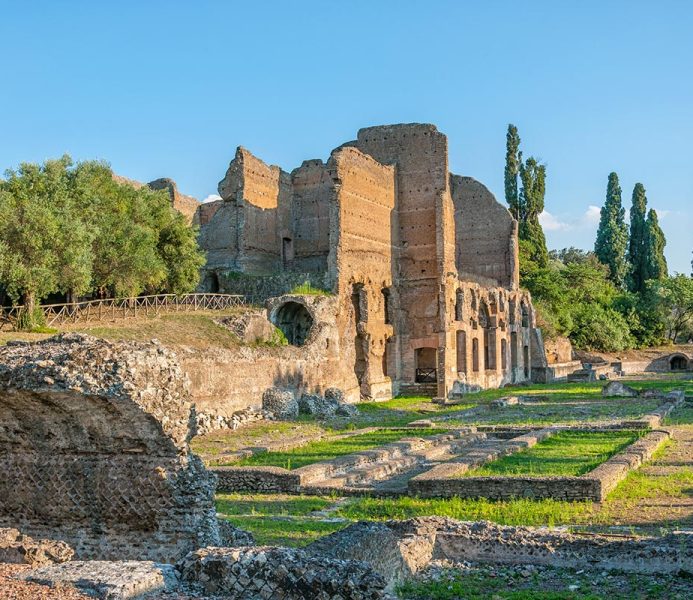
In addition to its religious and historical prominence, Castel Gandolfo is celebrated for its architectural and archaeological treasures. The Palazzo Pontificio, a testament to the town’s papal connections, stands as a centerpiece of its cultural landscape. Surrounding this historic structure are the lush Giardini Pontifici, offering a serene escape into meticulously maintained gardens. Visitors can also explore remnants of ancient Roman villas, such as the villa attributed to Domitian, which provide a glimpse into the area’s storied past. Castel Gandolfo’s inclusion in the circuit of Italy’s most beautiful villages underscores its status as a must-visit destination for those seeking to immerse themselves in the rich tapestry of Italian history and culture.
Description of Castel Gandolfo
Castel Gandolfo, nestled in the scenic Alban Hills, offers a rich tapestry of architectural and artistic marvels that beckon tourists and enthusiasts of history alike. Visitors to this charming town can witness a blend of historical significance and natural beauty, with its structures reflecting the grandeur of past eras. The town is renowned for its association with the papacy, serving as the summer residence of the Popes, and is home to several noteworthy architectural and artistic sites. Among the key attractions are the Palazzo Pontificio, the Collegiata Pontificia di San Tommaso da Villanova, and the Villa Barberini. Each of these sites provides a unique glimpse into the architectural evolution and historical narratives of the region.
Palazzo Pontificio
The Palazzo Pontificio, or Papal Palace, stands as a testament to the architectural prowess of the Baroque period. Constructed in the early 17th century under the guidance of Pope Urban VIII, the palace was designed by the renowned architect Carlo Maderno. The structure is characterized by its imposing façade and elegant interiors, which have been meticulously preserved over the centuries. Visitors can explore the grand halls and private chambers that once hosted numerous Popes during their summer retreats. The palace’s architecture is a harmonious blend of functionality and aesthetic appeal, with its large windows offering stunning views of the surrounding landscape.
Inside, the palace is adorned with intricate frescoes and artworks that reflect the religious and cultural significance of the papacy. The private chapel, a highlight of the interior, features an image of the Madonna from the Sanctuary of Częstochowa, underscoring the spiritual importance of the site. The palace grounds also include beautifully maintained gardens, providing a serene environment for reflection and leisure. These gardens, known as the Giardini del Moro, are a verdant oasis that complements the architectural grandeur of the palace.
Collegiata Pontificia di San Tommaso da Villanova
The Collegiata Pontificia di San Tommaso da Villanova is another architectural gem within Castel Gandolfo. Designed by the illustrious Gian Lorenzo Bernini, this church was commissioned by Pope Alexander VII and completed in the mid-17th century. Bernini’s design showcases his mastery of Baroque architecture, with the church’s façade featuring classical elements and a harmonious symmetry that is both inviting and majestic. The interior is equally impressive, with a central dome that allows natural light to illuminate the space, enhancing the spiritual atmosphere of the church.
The church is dedicated to Saint Thomas of Villanova, and its interior is adorned with religious iconography and artworks that celebrate the life and virtues of the saint. Visitors can admire the altarpiece and the intricate stucco work that embellishes the walls and ceilings. The church’s location, overlooking the tranquil waters of Lake Albano, adds to its allure, making it a popular destination for both pilgrims and tourists seeking a moment of peace and contemplation.
Villa Barberini
Adjacent to the Papal Palace, the Villa Barberini is a significant component of the papal estate. Originally constructed in the 17th century by Maffeo Barberini, a nephew of Pope Urban VIII, the villa is a fine example of Baroque architecture. The villa’s gardens are particularly noteworthy, featuring a series of terraces that offer panoramic views of the surrounding countryside. These gardens, designed in the traditional Italian style, are meticulously maintained and provide a tranquil setting for visitors to explore.
Within the villa, visitors can explore various rooms that have been preserved to reflect their historical significance. The villa also houses remnants of ancient Roman structures, including parts of the villa of the Emperor Domitian. These archaeological elements add a layer of historical depth to the site, offering insights into the region’s rich past. The villa’s integration of natural and architectural beauty makes it a must-visit for those interested in the intersection of history and art.
Lake Albano and Surrounding Natural Beauty
Beyond its architectural wonders, Castel Gandolfo is renowned for its natural beauty, particularly the stunning Lake Albano. This volcanic crater lake is the deepest in the region and offers a picturesque setting for various recreational activities. Visitors can enjoy leisurely walks along the lake’s shores, take part in water sports, or simply relax and take in the serene environment. The lake’s clear waters and lush surroundings provide a perfect backdrop for outdoor enthusiasts and nature lovers.
The area around Lake Albano is also rich in biodiversity, with numerous walking trails that allow visitors to explore the local flora and fauna. The combination of natural and man-made beauty makes Castel Gandolfo a unique destination that offers something for everyone. Whether one is interested in history, architecture, or nature, the town provides a comprehensive experience that is both educational and enjoyable.
The History of Castel Gandolfo
Castel Gandolfo, a picturesque town nestled in the Alban Hills, has a rich and varied history that spans several centuries. Known primarily as the summer residence of the popes, this charming locale has witnessed significant historical events and transformations. Its strategic location and scenic beauty have made it a coveted site throughout history, from ancient times to the present day.
The town’s history is deeply intertwined with the broader historical narratives of the Roman Empire, the Papal States, and modern Italy. Each era has left its mark on Castel Gandolfo, contributing to its unique cultural and architectural heritage. This section delves into the various historical periods that have shaped the town, highlighting key figures, events, and developments.
Ancient and Medieval Periods (476-1492)
The origins of Castel Gandolfo can be traced back to the ancient Roman era, where it was part of the larger region known as the Massa Caesariana. This area was later associated with the powerful Counts of Tusculum and eventually came under the control of the Gandolfi family, from whom the town derives its name. The Gandolfi likely hailed from Genoa, bringing with them a legacy of influence and power.
During the medieval period, the town became a strategic possession for the Savelli family, who fortified the area and established a stronghold. This era was marked by conflicts and alliances, as the Savelli navigated the complex political landscape of the time. The town’s fortifications and strategic location made it a valuable asset in the power struggles that characterized the medieval period.
Early Modern Period (1492-1604)
In the early modern period, Castel Gandolfo continued to be a site of strategic importance. The Savelli family maintained control over the town until financial difficulties led to its seizure by the Camera Apostolica in 1596. This transition marked a significant shift in the town’s governance, as it became directly associated with the Papal States.
Pope Clement VIII played a crucial role in this transition, incorporating Castel Gandolfo into the list of non-alienable properties of the Holy See in 1604. This period set the stage for the town’s transformation into a papal residence, a status that would define its future development and significance.
Papal Residence and Development (1604-1870)
The transformation of Castel Gandolfo into a papal residence began under the auspices of Pope Urban VIII, who initiated the construction of the Papal Palace in the early 17th century. This development marked the beginning of a new era for the town, as it became a favored retreat for successive popes. The palace, designed by renowned architects such as Carlo Maderno and later expanded by Gian Lorenzo Bernini, became a symbol of papal authority and influence.
Throughout the 17th and 18th centuries, Castel Gandolfo flourished as a center of artistic and architectural innovation. The construction of the Collegiata di San Tommaso da Villanova, a masterpiece by Bernini, exemplifies the town’s cultural renaissance during this period. The papal presence attracted artists, architects, and scholars, contributing to the town’s vibrant cultural life.
Modern Era and Integration into Italy (1870-2000)
The unification of Italy in 1870 brought significant changes to Castel Gandolfo. With the dissolution of the Papal States, the town was integrated into the newly formed Kingdom of Italy. Despite these political shifts, the town retained its status as a papal residence, thanks to the provisions of the Lateran Treaty of 1929, which granted extraterritorial rights to the Vatican over the Papal Palace and its surrounding areas.
In the 20th century, Castel Gandolfo continued to serve as a summer retreat for the popes, while also becoming a site of scientific and cultural significance. The establishment of the Vatican Observatory in the 1930s underscored the town’s role in fostering scientific inquiry. Throughout the century, Castel Gandolfo maintained its charm and allure, attracting visitors from around the world.
Visiting Castel Gandolfo
Approaching Castel Gandolfo
Visitors to Castel Gandolfo are greeted by the picturesque landscape of the Castelli Romani region, characterized by its rolling hills and scenic vistas over the Lago Albano. The town is renowned for its historical significance and natural beauty, making it a prime destination for those interested in both culture and nature. As you approach, the panoramic views from Monte Cavo provide a stunning backdrop, offering a glimpse into the area’s volcanic origins.
The town itself is accessible via a network of well-maintained roads, with public transport options available from Rome and nearby towns. While the journey is straightforward, visitors are advised to plan their travel during off-peak times to avoid congestion, especially during weekends and holidays. Parking facilities are available, but given the town’s popularity, it is recommended to arrive early to secure a spot.
Exploring the Historic Center
The heart of Castel Gandolfo is its charming historic center, where narrow cobblestone streets lead to Piazza della Libertà, the town’s vibrant focal point. Here, the Palazzo Pontificio, traditionally the summer residence of the Pope, stands as a testament to the town’s ecclesiastical heritage. Though the palace is not open to the public, its exterior architecture can be admired from the square, providing a sense of the grandeur associated with papal residences.
Adjacent to the palace is the Collegiata di San Tommaso da Villanova, a masterpiece designed by Gian Lorenzo Bernini. Visitors can explore the church’s interior, which showcases Bernini’s architectural prowess and offers a serene space for reflection. The historic center is pedestrian-friendly, allowing for a leisurely exploration of its quaint shops and cafes, where local delicacies can be sampled.
Nearby Attractions and Practical Tips
Beyond the historic center, Castel Gandolfo offers several attractions that complement a visit to the town. The Giardini Pontifici, part of the papal villa complex, are accessible through guided tours, providing an opportunity to experience the meticulously landscaped gardens that have been a retreat for popes over the centuries. These tours offer insights into the history and horticultural significance of the gardens, making them a worthwhile addition to any itinerary.
For those interested in outdoor activities, the Lago Albano offers opportunities for canoeing and hiking along its shores. The lake’s natural setting provides a peaceful escape and is ideal for picnics and leisurely walks. Visitors are encouraged to bring comfortable footwear and sun protection, as the terrain can be uneven and the sun intense during summer months. With its blend of history, culture, and natural beauty, Castel Gandolfo presents a well-rounded experience for all types of travelers.