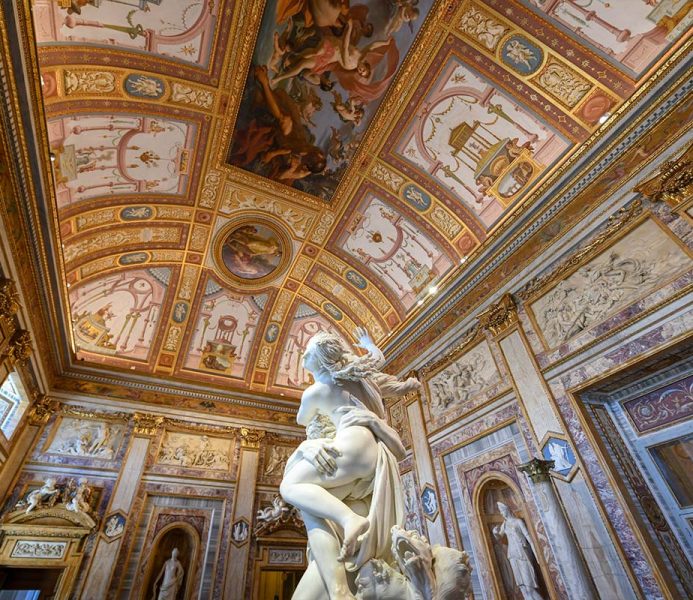
The Basilica of Santa Maria Maggiore stands as a monumental testament to the rich tapestry of Rome’s religious and architectural heritage. As one of the city’s four major basilicas, it holds a significant place in the heart of the Catholic Church. Founded during the papacy of Pope Sixtus III in the 5th century, this basilica is celebrated for its remarkable preservation of early Christian architecture, despite numerous enhancements over the centuries. The basilica not only serves as a place of worship but also as a repository of art and history, featuring intricate mosaics that date back to its inception, illustrating biblical narratives with vivid clarity and artistic mastery.
Located in the historic Esquiline Hill district, the Basilica of Santa Maria Maggiore is a beacon of spiritual and cultural significance. Its architectural evolution reflects the varied influences of Romanesque, Baroque, and Rococo styles, with contributions from renowned architects like Ferdinando Fuga. The basilica’s status extends beyond its religious functions, as it enjoys extraterritorial privileges granted by the Holy See, underscoring its importance within the Vatican’s sphere of influence. Visitors to this revered site are invited to explore its chapels, admire its artistic treasures, and reflect on its enduring legacy as a symbol of faith and devotion.
Description of Basilica of Santa Maria Maggiore
The Basilica of Santa Maria Maggiore stands as a monumental testament to the architectural evolution of Rome, offering visitors a rich tapestry of historical and artistic elements to explore. As one of the four major papal basilicas, it combines a variety of architectural styles and artistic influences that reflect its long history. Visitors to the basilica can marvel at its intricate mosaics, grand chapels, and the towering Romanesque bell tower. These elements, among others, make the basilica a significant site for both historical inquiry and artistic appreciation.
The Grand Nave and Mosaics
The central nave of the Basilica of Santa Maria Maggiore is a striking feature that captures the attention of all who enter. It is adorned with mosaics dating back to the 5th century, which are considered some of the finest examples of early Christian art in Rome. These mosaics depict scenes from the Old Testament, offering a visual narrative that complements the basilica’s religious significance. The mosaics are set against a backdrop of classical marble columns, creating a harmonious blend of art and architecture that has been preserved through the centuries.
The nave itself is a testament to the basilica’s enduring legacy, with its layout remaining largely unchanged since its initial construction. The ceiling is a masterpiece of coffered woodwork, richly decorated with gold that is said to have been the first brought from the Americas. This opulent ceiling, combined with the mosaics, provides a breathtaking view that encapsulates the grandeur of the basilica’s interior.
The Holy Crib and Crypt
Located beneath the high altar is the crypt, which houses the celebrated relic known as the Holy Crib. This relic is believed to contain pieces of the manger where Jesus was laid, making it a site of profound religious significance. A statue of Pope Pius IX kneeling before the crib serves as a poignant reminder of the basilica’s spiritual heritage. This area of the basilica is a focal point for pilgrims and visitors alike, offering a quiet space for reflection and reverence.
The crypt’s design is both functional and symbolic, providing a space that is both accessible and spiritually resonant. The use of light and shadow in this area enhances the sense of sacredness, drawing visitors into a deeper appreciation of the basilica’s historical and religious context.
The Chapels: Sistine and Paolina
The Sistine Chapel
The Sistine Chapel within Santa Maria Maggiore, not to be confused with the more famous chapel in the Vatican, is a stunning example of Renaissance artistry. Commissioned by Pope Sixtus V, it features frescoes by renowned artists such as Michelangelo and Botticelli. These frescoes depict various biblical scenes and are a testament to the artistic prowess of the period. The chapel’s vaulted ceiling and intricate decorations make it a must-see for art enthusiasts visiting the basilica.
The chapel’s design reflects the grandeur and ambition of its patron, with its lavish use of color and detail. Visitors can spend time admiring the frescoes, which are not only artistically significant but also serve as a visual narrative of the biblical stories they depict.
The Paolina Chapel
The Paolina Chapel, also known as the Borghese Chapel, is another significant feature of the basilica. It houses the revered icon of the Salus Populi Romani, an image of the Virgin Mary that holds a special place in the hearts of Romans. The chapel’s design is characterized by its use of precious materials and intricate decorations, reflecting the wealth and influence of its patrons.
This chapel is a focal point for Marian devotion, attracting pilgrims who come to venerate the icon. The chapel’s architecture and art provide a serene and contemplative space, inviting visitors to pause and reflect on the spiritual significance of the basilica.
The Romanesque Bell Tower
The bell tower of Santa Maria Maggiore is a prominent feature of the basilica’s exterior, standing at 75 meters tall. It is the tallest bell tower in Rome and offers stunning views of the city’s historic center. Built in the 14th century, the tower is a fine example of Romanesque architecture, with its simple yet elegant design.
Visitors can climb the tower for a panoramic view of Rome, providing a unique perspective on the city’s architectural landscape. The climb itself is an experience, offering glimpses of the basilica’s structure and the surrounding area. The bell tower is not only a functional element of the basilica but also a symbol of its enduring presence in the heart of Rome.
The Museum and Archaeological Excavations
The museum within Santa Maria Maggiore offers a glimpse into the rich history and artistic heritage of the basilica. It houses a collection of paintings, sculptures, and artifacts that span the centuries, providing visitors with a comprehensive understanding of the basilica’s cultural significance. Highlights include works by artists such as Giovanni Antonio Bazzi and Domenico Jacopo di Pace.
In addition to the museum, recent archaeological excavations have uncovered fascinating insights into the basilica’s past. These excavations are open to visitors and offer a unique opportunity to explore the layers of history beneath the basilica. The archaeological site provides a tangible connection to the past, allowing visitors to witness the evolution of this remarkable building over time.
In conclusion, the Basilica of Santa Maria Maggiore is a treasure trove of architectural and artistic wonders. Its rich history, combined with its stunning mosaics, chapels, and bell tower, make it a must-visit destination for anyone interested in the cultural and religious heritage of Rome. Whether exploring its grand nave, venerating its sacred relics, or admiring its artistic masterpieces, visitors are sure to find inspiration and awe within its walls.
History of the Basilica of Santa Maria Maggiore
Basilica of Santa Maria Maggiore, one of Rome’s most significant religious edifices, boasts a rich history that spans over several centuries. Its origins are deeply rooted in early Christianity, and it has undergone numerous transformations, reflecting the architectural and cultural evolution of Rome. As a major Marian basilica, it holds a special place in the religious and artistic heritage of the city.
The basilica’s history is marked by its association with miraculous events, papal patronage, and artistic achievements. Over time, it has served as a site of devotion, pilgrimage, and artistic expression, making it a focal point for both locals and visitors. Its architectural grandeur and historical significance continue to captivate those who explore its storied past.
Foundation and Early Christian Period (352-432 CE)
The origins of the Basilica of Santa Maria Maggiore are steeped in legend. According to tradition, the Virgin Mary appeared in a dream to Pope Liberius and a wealthy Roman patrician named John, instructing them to build a church on the Esquiline Hill where snow would miraculously fall. This event, known as the “Miracle of the Snow,” occurred on August 5th, 352 CE, leading to the foundation of the basilica.
The initial structure, dedicated to the Virgin Mary, was constructed during the pontificate of Pope Liberius. However, it was under Pope Sixtus III (432-440 CE) that the basilica was significantly expanded and adorned with magnificent mosaics. This period marked the establishment of the basilica as a key center of Marian devotion in Rome, coinciding with the Council of Ephesus in 431 CE, which affirmed Mary’s title as Theotokos, or Mother of God.
Medieval Transformations and Artistic Flourishing (5th-14th Century)
Throughout the medieval period, the Basilica of Santa Maria Maggiore underwent various modifications and enhancements. The 5th-century mosaics, depicting scenes from the Old Testament and the life of Christ, remain some of the finest examples of early Christian art in Rome. These mosaics were complemented by the addition of a Romanesque bell tower in the 14th century, which remains the tallest in Rome.
The basilica also became a site of significant historical events, including the election of a pope and the celebration of royal funerals. Its association with the Spanish monarchy further elevated its status, as the King of Spain held the honorary title of protocanonico. This period saw the basilica’s continued importance as a religious and cultural hub, drawing pilgrims and artists alike.
Renaissance and Baroque Enhancements (15th-17th Century)
During the Renaissance, the basilica underwent significant architectural and artistic enhancements. The ceiling of the nave, commissioned by Cardinal Rodrigo Borgia (later Pope Alexander VI), was gilded with the first gold brought from the Americas. This period also saw the construction of the Sistine Chapel, commissioned by Pope Sixtus V, which features stunning frescoes by renowned artists of the time.
The Baroque era brought further transformations, with Ferdinando Fuga designing a new facade in the mid-18th century. This facade, characterized by its grandeur and ornate details, gave the basilica its current appearance. The addition of side chapels, including the Cappella Paolina, further enriched the basilica’s artistic and spiritual offerings, making it a masterpiece of Baroque architecture.
Modern Era and Preservation Efforts (18th Century-Present)
In the modern era, the Basilica of Santa Maria Maggiore has continued to be a site of religious significance and artistic preservation. Efforts have been made to maintain its architectural integrity and historical artifacts, ensuring that its rich heritage is preserved for future generations. The basilica remains a place of pilgrimage, attracting visitors from around the world who come to admire its beauty and spiritual significance.
Today, the basilica stands as a testament to the enduring legacy of early Christian architecture and art. Its mosaics, chapels, and historical relics offer a glimpse into the past, while its ongoing role in the religious life of Rome underscores its importance as a living monument to faith and culture.
Visiting Basilica of Santa Maria Maggiore
Approaching the Basilica
As you approach the Basilica of Santa Maria Maggiore, you are greeted by its impressive Baroque facade, designed by Ferdinando Fuga in the 18th century. The basilica stands prominently in the Monti district of Rome, a location that is both historically significant and easily accessible. Visitors can marvel at the Romanesque bell tower, the tallest in Rome, which was added in the 14th century and serves as a striking landmark against the city skyline.
The basilica’s location in the heart of Rome makes it a convenient stop for those exploring the city’s rich tapestry of history and culture. It is situated near other notable sites such as the Colosseum and the Roman Forum, allowing visitors to seamlessly integrate their visit to Santa Maria Maggiore into a broader itinerary of Roman exploration.
Inside the Basilica
The interior of the Basilica of Santa Maria Maggiore is renowned for its stunning 5th-century mosaics, which adorn the apse, triumphal arch, and nave. These mosaics are considered some of the finest examples of early Christian art in Rome. Visitors can also explore the Sistine Chapel within the basilica, which houses exquisite frescoes commissioned by Pope Sixtus V. The chapel is a testament to the artistic grandeur of the Renaissance period.
Another highlight within the basilica is the Holy Crib, located in the crypt beneath the high altar. This celebrated relic, believed to be part of the manger that held the baby Jesus, draws pilgrims and art enthusiasts alike. The basilica’s interior is a treasure trove of religious and artistic significance, offering a profound experience for those interested in the intersection of faith and art.
Practical Information and Tips
Visitors to Santa Maria Maggiore can enjoy free access to the main basilica during certain hours, making it an accessible destination for all. For those interested in a more in-depth exploration, guided tours are available, providing insights into the basilica’s rich history and architectural features. The basilica is also home to a museum, which showcases paintings and artifacts that further illuminate its historical and cultural context.
When planning a visit, it is advisable to consider the basilica’s central location and its proximity to other attractions. This allows for a comprehensive exploration of Rome’s historical sites. Additionally, visitors should be mindful of the dress code, as appropriate attire is required to enter the basilica. The surrounding Monti neighborhood offers a charming setting for a leisurely stroll, with opportunities to enjoy traditional Italian cuisine and explore local boutiques.