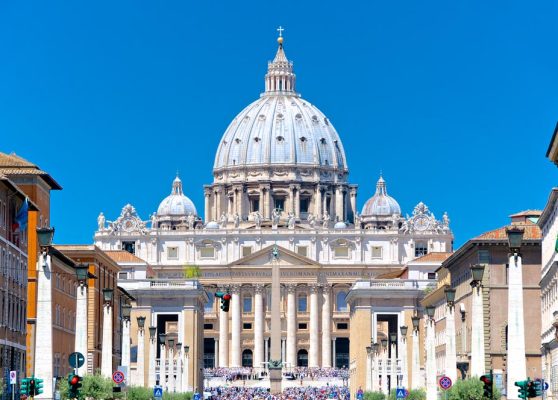
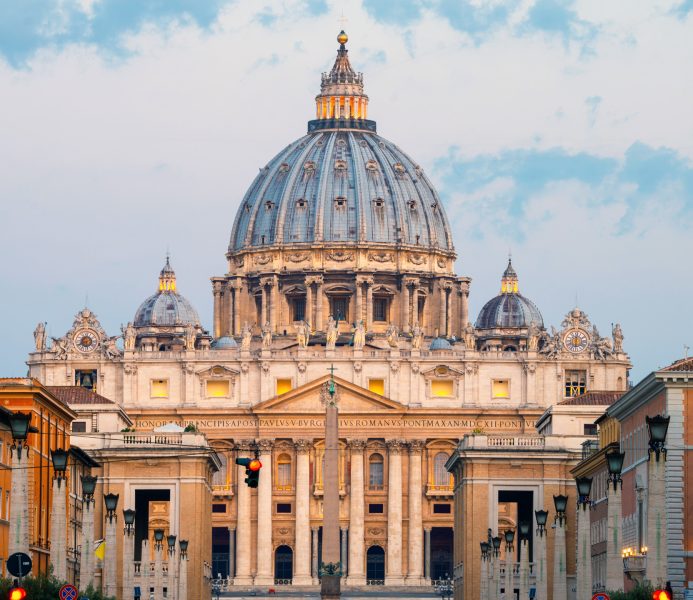
The Aventine Keyhole, located on the serene Aventine Hill in Rome, offers a unique and enchanting view that captivates visitors from around the world. This remarkable vantage point is part of the historic Villa del Priorato di Malta, home to the Sovereign Military Order of Malta. The keyhole provides a perfectly framed view of the majestic dome of Saint Peter’s Basilica, a masterpiece by Michelangelo, nestled within the Vatican’s heart. This visual alignment, achieved through the meticulous design of Giovanni Battista Piranesi in the 18th century, remains an enduring testament to the artistry and vision of its creator.
The Aventine Keyhole is more than just a visual spectacle; it is a symbol of the rich tapestry of Rome’s history. The site, once a fortified monastery, has evolved through centuries of religious and cultural significance. The Knights of Malta, successors to the Knights Templar, have long been associated with this location, imbuing it with a sense of mystery and reverence. Visitors are drawn not only by the breathtaking view but also by the profound historical narrative that envelops this iconic Roman landmark.
Description of the Aventine Keyhole
Located on the serene Aventine Hill in Rome, the Aventine Keyhole offers a unique glimpse into the architectural and artistic heritage of the city. Visitors are drawn to this site not only for its historical significance but also for the intriguing experience of peering through the keyhole of the Villa del Priorato di Malta’s grand entrance. This simple act reveals a perfectly framed view of the majestic dome of Saint Peter’s Basilica, creating a visual connection between the gardens of the priory and the distant Vatican. As tourists explore the area, they encounter a blend of historical architecture and lush landscapes, making it a noteworthy destination for those interested in Rome’s rich cultural tapestry.
The Aventine Keyhole is not merely a visual spectacle; it serves as a gateway to understanding the intricate designs and thoughtful planning of Giovanni Battista Piranesi, the renowned architect and artist responsible for the site’s 18th-century transformation. Visitors can appreciate the harmonious integration of classical motifs and symbolic elements that characterize the entrance screen and surrounding structures. As they wander through the site, tourists are encouraged to reflect on the historical narratives embedded in the architecture and the enduring legacy of the Knights of Malta, who have maintained a presence here since the 14th century.
The Entrance Screen and Keyhole
The entrance screen of the Villa del Priorato di Malta, designed by Giovanni Battista Piranesi, is a masterpiece of neoclassical architecture. This grand structure serves as the gateway to the priory and is adorned with classical motifs, obelisks, and heraldic symbols that reflect the grandeur and historical significance of the Knights of Malta. The screen’s design is both functional and symbolic, representing the order’s enduring legacy and its connection to the broader narrative of Roman history.
At the heart of this entrance lies the famed keyhole, a small yet captivating feature that draws countless visitors each year. By peering through this keyhole, tourists are treated to a meticulously framed view of the dome of Saint Peter’s Basilica, creating an optical illusion that brings the distant landmark seemingly closer. This unique perspective is a testament to Piranesi’s architectural ingenuity and his ability to blend art with function, offering a visual experience that is both unexpected and awe-inspiring.
The Gardens and Surrounding Landscape
The gardens of the Villa del Priorato di Malta are an integral part of the Aventine Keyhole experience, providing a lush and tranquil setting that complements the architectural elements of the site. These meticulously maintained gardens are characterized by their symmetrical layout and the use of clipped cypresses, which frame the pathway leading to the keyhole. This careful arrangement not only enhances the visual appeal of the gardens but also serves to guide the viewer’s gaze towards the distant dome of Saint Peter’s Basilica.
Visitors to the gardens can enjoy a leisurely stroll through the verdant pathways, taking in the serene atmosphere and the historical significance of the site. The gardens offer a peaceful retreat from the bustling city below, allowing tourists to reflect on the rich history and cultural heritage of the Knights of Malta. As they explore this verdant oasis, visitors are encouraged to consider the interplay between nature and architecture, and the ways in which these elements combine to create a harmonious and contemplative space.
The Church of Santa Maria del Priorato
Within the Villa complex lies the Church of Santa Maria del Priorato, a significant architectural work by Giovanni Battista Piranesi. This church is a rare example of Piranesi’s architectural vision brought to life, as it is one of the few projects he completed. The church’s neoclassical design features a facade adorned with paired pilasters and a low pediment, showcasing Piranesi’s distinctive style and his ability to blend classical elements with innovative design.
Inside the church, visitors can appreciate the intricate details and symbolic motifs that characterize Piranesi’s work. The interior is a testament to the architect’s skill in creating spaces that are both functional and aesthetically pleasing, reflecting the spiritual and cultural significance of the Knights of Malta. As tourists explore the church, they are invited to consider the historical context in which it was built and the enduring legacy of the order that continues to maintain this sacred space.
The History of the Aventine Keyhole
The Aventine Keyhole is a fascinating architectural and cultural feature located on the Aventine Hill in Rome, offering a unique perspective that has captivated visitors for centuries. This seemingly simple aperture is steeped in history, intertwining the stories of religious orders, architectural innovation, and the enduring allure of Rome’s landscape. The keyhole’s history is a testament to the city’s rich tapestry of cultural and historical influences, from its monastic origins to its transformation into a symbol of artistic and spiritual contemplation.
Monastic Beginnings and Templar Influence (10th – 14th Century)
The origins of the Aventine Keyhole can be traced back to the 10th century when the site was home to a fortified Benedictine monastery. This religious community was strategically positioned overlooking the Tiber River, providing both spiritual refuge and a vantage point for defense. The monastery’s influence waned as the property changed hands, eventually becoming associated with the Knights Templar, a powerful and enigmatic religious military order. The Templars’ tenure was marked by their characteristic blend of religious devotion and martial prowess, which left a lasting imprint on the site.
Following the dissolution of the Templar order in the early 14th century, the property was transferred to the Knights Hospitaller, later known as the Sovereign Military Order of Malta. This transition marked a new chapter in the site’s history, as the Hospitallers continued the tradition of combining religious and military functions. The Aventine Hill became a focal point for the order’s activities, setting the stage for future architectural developments.
Renaissance Transformations and Piranesi’s Vision (15th – 18th Century)
The 15th to 18th centuries saw significant transformations at the site, with extensive rebuilding efforts reflecting the evolving architectural tastes of the Renaissance and Baroque periods. The Villa del Priorato di Malta, as it came to be known, underwent numerous renovations that enhanced its grandeur and strategic importance. These changes were emblematic of the broader cultural shifts occurring in Rome, as the city embraced new artistic and architectural styles.
A pivotal moment in the history of the Aventine Keyhole occurred in the 18th century, under the guidance of Giovanni Battista Piranesi, a renowned Venetian artist and architect. Piranesi’s involvement in the redesign of the villa and its gardens was transformative, as he infused the space with his unique neoclassical vision. The keyhole itself became an integral part of this design, offering a meticulously framed view of St. Peter’s Basilica. Piranesi’s work at the site remains one of his few realized architectural projects, cementing his legacy as a visionary who seamlessly blended art and architecture.
Modern Legacy and Cultural Significance (19th Century – Present)
In the 19th century, the Villa del Priorato di Malta was granted extraterritorial status, reflecting its enduring significance as a seat of the Sovereign Military Order of Malta. This designation underscored the villa’s unique position as both a religious and diplomatic hub, further enhancing its allure to visitors from around the world. The Aventine Keyhole, with its enchanting view of St. Peter’s, became a symbol of Rome’s layered history and its ability to inspire awe through the interplay of art, architecture, and nature.
Today, the Aventine Keyhole continues to captivate those who seek out its hidden charm. It stands as a testament to the enduring legacy of the Knights of Malta and the artistic genius of Piranesi. The keyhole’s ability to frame a distant yet intimate view of one of Rome’s most iconic landmarks serves as a reminder of the city’s capacity to surprise and delight, offering glimpses of beauty and history through even the smallest of apertures.
Visiting the Aventine Keyhole
Approaching the Site
Visitors to the Aventine Keyhole can expect a unique experience that begins with a scenic ascent up the Aventine Hill, one of Rome’s most serene and historic locations. The approach to the keyhole is marked by a tranquil atmosphere, with lush gardens and ancient structures providing a picturesque backdrop. As you make your way towards the Piazza dei Cavalieri di Malta, the anticipation builds for the view that awaits through the keyhole.
The Piazza dei Cavalieri di Malta is a peaceful square, enclosed by cypress trees and adorned with classical motifs designed by the renowned architect Giovanni Battista Piranesi. The keyhole itself is located in the entrance door of the Villa del Priorato di Malta, a site that holds significant historical importance as the seat of the Sovereign Military Order of Malta. Although the villa is not open to the public, the keyhole offers a glimpse into its storied past.
The Keyhole Experience
Upon reaching the keyhole, visitors are often greeted by a small queue of curious onlookers eager to catch a glimpse of the view beyond. This anticipation is part of the charm, as the keyhole offers a perfectly framed view of St. Peter’s Basilica in the distance, creating a stunning visual alignment that has captivated many. The experience is simple yet profound, as the view through the keyhole is both a testament to architectural ingenuity and a moment of quiet reflection.
While the keyhole itself is the main attraction, the surrounding area offers additional opportunities for exploration. The Garden of Oranges, a short walk from the keyhole, provides panoramic views of Rome and is a popular spot for both tourists and locals. Additionally, the nearby Santa Sabina church, known for its ancient doors and early Christian architecture, adds to the historical richness of the visit.
Practical Considerations
Visiting the Aventine Keyhole is a free and accessible experience, making it an ideal stop for those exploring Rome on foot. While there are no tickets or guided tours specifically for the keyhole, its location within a broader itinerary of the Aventine Hill allows for a leisurely exploration of the area’s many attractions. Visitors are encouraged to take their time and enjoy the peaceful surroundings, which offer a respite from the bustling city below.
For those planning a visit, it is advisable to arrive early in the day or later in the afternoon to avoid crowds and ensure a more intimate experience. The keyhole is a popular spot, and patience may be required to fully appreciate the view. As you stand before the keyhole, remember to take a moment to reflect on the historical significance and artistic vision that have made this site a beloved part of Rome’s cultural heritage.