The Passetto di Borgo, also known as the Corridoio di Borgo, is a remarkable architectural structure in Rome, Italy, serving as a pedestrian passageway that stretches approximately 800 meters. This elevated corridor connects the Vatican with the historic Castel Sant’Angelo, providing a strategic route for the Pope to seek refuge during times of military threat. Its origins date back to the 9th century when Pope Leo IV commissioned the construction of the Leonine Walls to protect the Vatican from potential invasions. Over the centuries, this passage has been a silent witness to the turbulent history of Rome, offering a secure escape route for pontiffs in perilous times.
Throughout its history, the Passetto di Borgo has undergone several restorations and enhancements, notably under the auspices of various popes such as Pope Nicholas III in the 13th century, who is credited with transforming the structure into its current form. The corridor gained prominence during the invasions of Rome, notably providing sanctuary to Pope Alexander VI in 1494 and Pope Clement VII during the infamous Sack of Rome in 1527. Today, the Passetto stands as a testament to the resilience and ingenuity of its builders, offering a unique glimpse into the rich tapestry of Rome’s past.
Description of Passetto di Borgo
The Passetto di Borgo, a historic and strategic passageway in Rome, offers visitors a unique glimpse into the architectural and historical fabric of the Eternal City. As tourists traverse this elevated corridor, they are not only walking in the footsteps of popes but also witnessing the blend of medieval fortification and Renaissance restoration. The passage, which extends approximately 800 meters, connects the Vatican City with Castel Sant’Angelo, serving as a testament to the ingenuity of past architects who prioritized both security and functionality. Visitors can explore various sections of the Passetto, each with its own story and significance, providing a comprehensive understanding of its role throughout history.
While exploring the Passetto, tourists can observe the meticulous design and construction techniques that have allowed this structure to endure for centuries. The passageway is not merely a relic of the past but a living monument that continues to captivate those who walk its length. Among the notable features are the defensive elements, such as the strategically placed arches and the robust masonry, which speak to its original purpose of safeguarding the pontiffs. Additionally, the Passetto offers a vantage point for viewing the surrounding landscape, providing a perspective of Rome that is both historical and picturesque.
Architectural Features of the Passetto
The architectural design of the Passetto di Borgo is a fascinating study in medieval engineering. Constructed primarily from stone, the passageway is fortified with thick walls that were designed to withstand sieges and attacks. The walls are punctuated by a series of arches, which not only add to the structural integrity but also serve as openings for defensive maneuvers. These arches allowed defenders to launch projectiles at invaders, a feature that underscores the Passetto’s role as a military asset.
Another notable architectural element is the covered walkway, which provided a sheltered route for the pope and his entourage. This feature ensured that those traversing the passage could do so discreetly and safely, away from the prying eyes of adversaries. The walkway is lined with small windows, offering glimpses of the city below while maintaining the security of the passage. The design reflects a keen understanding of the need for both visibility and protection, a dual purpose that is evident throughout the structure.
Points of Interest for Tourists
One of the most intriguing aspects of the Passetto di Borgo is its connection to significant historical events. Visitors can imagine the tense moments when Pope Clement VII used the passage to escape during the Sack of Rome in 1527. This historical context adds a layer of drama and intrigue to the experience, as tourists walk the same path that once served as a lifeline for the papacy.
Additionally, the passage offers a unique vantage point for observing the architectural evolution of the surrounding area. From the elevated position of the Passetto, tourists can view the juxtaposition of ancient and modern Rome, with the imposing silhouette of Castel Sant’Angelo providing a striking backdrop. This perspective allows for a deeper appreciation of the city’s layered history, as well as the strategic importance of the Passetto in connecting key sites within the Vatican’s domain.
Curious Elements and Highlights
Among the curious elements of the Passetto di Borgo are the remnants of the original Civitas Leoniana, the fortified city established by Pope Leo IV. These remnants offer a tangible connection to the early medieval period, providing insight into the defensive strategies employed by the papacy. The walls of the Passetto, with their weathered stones and ancient inscriptions, tell a story of resilience and adaptation, having been modified and restored over the centuries to meet the changing needs of the Vatican.
Another highlight is the Porta San Pellegrino, a gateway that marks one of the entrances to the passage. This portal, adorned with the coat of arms of Pope Alexander VI, serves as a reminder of the various pontiffs who have contributed to the Passetto’s history. The presence of such symbols and inscriptions throughout the passage adds a layer of historical richness, inviting tourists to ponder the legacy of those who once walked these corridors.
The History of Passetto di Borgo
The Passetto di Borgo, an architectural marvel in the heart of Rome, has served as a vital passageway for centuries. This elevated corridor, stretching approximately 800 meters, connects the Vatican City with Castel Sant’Angelo. Its primary purpose was to provide a secure escape route for the Pope during times of military threat. Over the centuries, the Passetto has witnessed significant historical events, reflecting the tumultuous history of Rome and the papacy.
The Origins and Early Constructions (848-852)
The inception of the Passetto di Borgo can be traced back to the reign of Pope Leo IV, who commissioned the construction of the Civitas Leonina between 848 and 852 AD. This fortified enclosure was designed to protect the Vatican area from potential Saracen invasions. The walls of the Civitas Leonina laid the foundational structure upon which the Passetto would later be developed.
While the initial construction of the walls served a defensive purpose, it was not until the late 13th century that the idea of a covered passage began to take shape. The walls provided a strategic advantage, allowing for surveillance and defense against any threats to the Vatican.
The Papal Enhancements and the Role of Niccolò III (1277-1278)
In 1277, Pope Niccolò III took significant steps to enhance the existing structures by commissioning the creation of a covered passage within the walls. This initiative was part of a broader restoration effort aimed at addressing the deteriorating condition of the Vatican walls. Niccolò III’s work marked the transformation of the walls into a functional corridor that connected the Apostolic Palace to Castel Sant’Angelo.
This development was crucial, as it provided a secure and discreet route for the Pope to retreat to the fortified Castel Sant’Angelo in times of danger. The strategic importance of this passage was underscored during subsequent periods of unrest in Rome.
Further Modifications and Uses (14th-15th Century)
The Passetto di Borgo underwent further modifications in the late 14th and early 15th centuries. Some historical accounts suggest that Pope Boniface IX initiated additional construction efforts, which were later completed by Antipope John XXIII. These enhancements reinforced the corridor’s role as a critical escape route for the papacy.
During this time, the Passetto also served a dual purpose. Beyond its function as an escape route, it was used for strategic military purposes. Its elevated position allowed for the launching of projectiles onto the streets below, providing a means of defense for the Vatican area.
Significant Historical Events and Papal Escapes (1494-1527)
The Passetto di Borgo played a pivotal role during two significant historical events. In 1494, Pope Alexander VI utilized the corridor to seek refuge in Castel Sant’Angelo when Charles VIII of France invaded Rome. This episode highlighted the corridor’s importance as a secure escape route for the Pope.
Similarly, in 1527, Pope Clement VII found sanctuary in Castel Sant’Angelo via the Passetto during the infamous Sack of Rome by the troops of Charles V of Habsburg. These events underscored the strategic value of the Passetto in safeguarding the papacy during times of crisis.
Restoration and Modern Relevance (20th-21st Century)
In the modern era, the Passetto di Borgo has undergone several restoration efforts to preserve its historical significance. Notably, in preparation for the Jubilee of 2000, the corridor was restored and reopened to the public, allowing visitors to appreciate its historical and architectural value.
Further restoration work was completed in 2024, ensuring the preservation of this iconic structure for future generations. Today, the Passetto di Borgo stands as a testament to the rich history of Rome and the enduring legacy of the papacy’s architectural endeavors.
Visiting Passetto di Borgo
Current Access and Conditions
Visitors approaching the Passetto di Borgo will find a historic structure that stands as a testament to Rome’s rich past. Currently, the site is accessible for those wishing to explore its exterior and appreciate its architectural significance. The Passetto, known for its strategic role in history, is a prominent feature of the area, connecting the Vatican with Castel Sant’Angelo. While the Passetto itself is not open for public tours inside, its presence is a compelling sight for those interested in the layers of history embedded in Rome’s landscape.
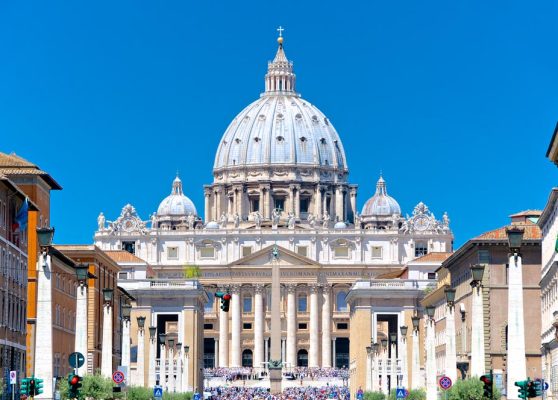
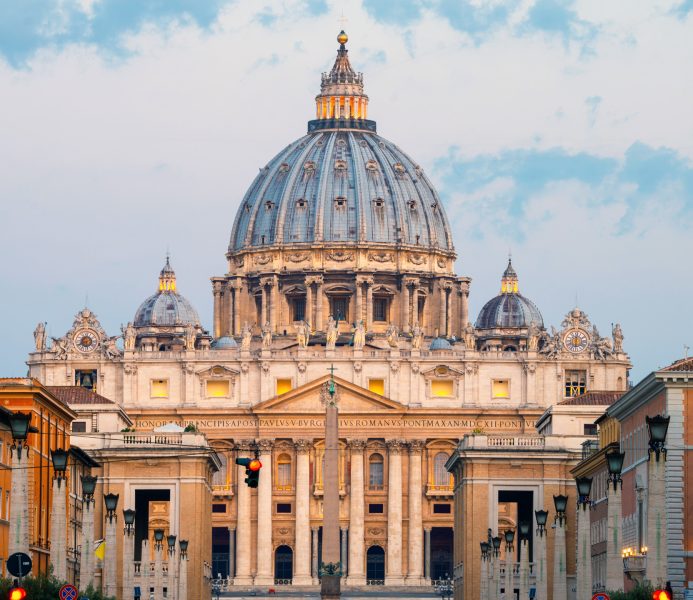
The structure can be observed from various vantage points around the Rione Borgo, offering visitors a chance to reflect on its historical context. As it is not open for internal visits, the Passetto is best appreciated as part of a broader exploration of the surrounding area, which includes other significant landmarks such as St. Peter’s Basilica and the Vatican Museums.
Nearby Attractions and Itinerary Suggestions
While visiting the Passetto di Borgo, tourists are encouraged to incorporate it into a larger itinerary that highlights the rich cultural and historical tapestry of Rome. The proximity to Castel Sant’Angelo provides an excellent opportunity to delve deeper into the city’s past. The castle, once a mausoleum for Emperor Hadrian, later served as a fortress and papal residence, and now functions as a museum.
Additionally, the Vatican City is a short walk away, offering a wealth of experiences, from the awe-inspiring Sistine Chapel to the vast collections of art and artifacts housed in the Vatican Museums. The area is also dotted with charming streets and local eateries where visitors can enjoy traditional Roman cuisine, making it a delightful stop for both history enthusiasts and casual tourists alike.
Practical Tips for Visitors
For those planning to visit the Passetto di Borgo, it is advisable to wear comfortable footwear, as the area is best explored on foot. The nearby Ottaviano metro station provides convenient access to the site for those using public transportation. While the Passetto itself is not open for internal exploration, its historical significance and the surrounding attractions make it a worthwhile addition to any Roman itinerary.
Visitors should also be mindful of the weather, as the best views and experiences are often enjoyed in pleasant conditions. The area around the Passetto offers numerous photo opportunities, so bringing a camera is recommended for capturing the essence of this historic locale. By integrating the Passetto into a broader exploration of Rome’s cultural heritage, visitors can gain a deeper appreciation for the city’s enduring legacy.