Villa Madama is a distinguished example of a suburban villa in Rome, nestled on the slopes of Monte Mario. This architectural masterpiece was initiated in 1518 under the auspices of Cardinal Giulio de’ Medici, later known as Pope Clement VII. The villa’s design was entrusted to the renowned artist Raffaello Sanzio, with contributions from Giulio Romano and Antonio da Sangallo the Younger. Despite interruptions due to Raffaello’s untimely death and the political upheavals of the time, the villa’s construction was completed in 1525, showcasing the grandeur of the High Renaissance style.
Originally intended to rival the ancient Roman villas, Villa Madama was envisioned as a space for leisure and diplomatic gatherings. Over the centuries, it has witnessed various phases of ownership and restoration, including significant contributions by the American heiress Dorothy Chadwell Taylor in the early 20th century. Today, Villa Madama serves as a prestigious venue for state functions and diplomatic events, reflecting its historical significance and enduring architectural beauty. The villa’s rich history and artistic heritage make it a vital part of Rome’s cultural landscape.
Description of Villa Madama
Villa Madama, an exquisite example of Renaissance architecture, offers visitors a unique glimpse into the artistic and architectural grandeur of the early 16th century. Situated on the slopes of Monte Mario, this villa is not only a historical monument but also a living testament to the opulence and cultural richness of its era. As tourists explore Villa Madama, they are invited to admire its intricate designs and the harmonious blend of architecture and nature. Key highlights include the renowned Loggia of Raphael and the meticulously designed Italian gardens, which provide a serene backdrop for reflection and appreciation of the villa’s historical significance.
The Loggia of Raphael
The Loggia of Raphael is one of the most celebrated features of Villa Madama, showcasing the artistic mastery of Raphael and his followers. This architectural marvel consists of three grand arches that open up to the lush Italian gardens. The loggia’s design is a testament to the Renaissance fascination with classical antiquity, drawing inspiration from Roman baths with its high vaults and circular dome. Inside, visitors are greeted by the exquisite stucco work of Giovanni da Udine and the vibrant frescoes of Giulio Romano, which adorn the walls and ceilings, creating a visual feast of color and form.
Every detail within the loggia reflects the Renaissance ideals of beauty and harmony. The use of grotesques, a decorative style rediscovered in the Domus Aurea, adds an element of whimsy and fantasy to the space. These intricate designs, combined with the natural light filtering through the arches, create an atmosphere of elegance and tranquility. For tourists, the Loggia of Raphael is not just a place to observe art but also a space to experience the artistic spirit of the Renaissance.
The Italian Gardens
Adjacent to the loggia, the Italian gardens of Villa Madama offer a picturesque setting that complements the villa’s architectural splendor. Designed to emulate the grandeur of ancient Roman villas, these gardens are a masterpiece of landscape architecture. Visitors can stroll through the terraced layout, which features a series of interconnected pathways, fountains, and manicured hedges, all meticulously arranged to create a sense of order and symmetry.
One of the garden’s most notable features is the Fountain of the Elephant, crafted by Giovanni da Udine, which commemorates the Indian elephant Annone brought to Rome by the Portuguese ambassador in 1514. This whimsical element adds a touch of exoticism and historical intrigue to the garden. As tourists wander through the gardens, they are encouraged to pause and reflect on the villa’s history, imagining the grand festivities and gatherings that once took place in this idyllic setting.
The Grand Salon
The Grand Salon of Villa Madama is another highlight that captivates visitors with its opulent design and artistic significance. This spacious room is characterized by its vaulted ceiling, adorned with intricate frescoes by Giulio Romano. The salon’s design reflects the Renaissance pursuit of grandeur and sophistication, with every element meticulously crafted to convey a sense of majesty and refinement.
Visitors are often struck by the room’s harmonious proportions and the interplay of light and shadow, which enhance the visual impact of the frescoes. The salon serves as a reminder of the villa’s original purpose as a venue for entertainment and social gatherings. Today, it continues to host diplomatic events and cultural functions, allowing visitors to experience the villa’s enduring legacy as a center of art and culture.
The Courtyard and Surrounding Structures
The courtyard of Villa Madama is a focal point of architectural interest, featuring a circular design that integrates seamlessly with the surrounding landscape. This open space is framed by a monumental staircase, leading to a series of terraces and gardens that offer breathtaking views of the Tiber River and the city beyond. The courtyard’s design reflects the Renaissance emphasis on creating harmonious connections between indoor and outdoor spaces.
In addition to the main villa, visitors can explore the Casale di Villa Madama, which houses the Istituto Diplomatico “Mario Toscano”. This structure, part of the villa’s original complex, provides insight into the villa’s historical role as a center of diplomatic activity. As tourists explore these areas, they gain a deeper understanding of the villa’s architectural evolution and its significance as a cultural and historical landmark.
History of Villa Madama
Villa Madama is a significant architectural masterpiece located on the slopes of Monte Mario in Rome. Its history is rich and diverse, reflecting the cultural and political shifts of Italy from the Renaissance to the modern era. The villa was initially conceived as a grand suburban retreat for the elite, showcasing the opulence and artistic prowess of its time. Over the centuries, it has undergone numerous transformations, serving various roles and witnessing pivotal historical events.
The villa’s story begins in the early 16th century when it was commissioned by the influential Cardinal Giulio de’ Medici, who later became Pope Clement VII. Designed by the renowned architect Raffaello Sanzio, with contributions from Giulio Romano and Antonio da Sangallo the Younger, Villa Madama was intended to rival the grandeur of ancient Roman villas. Despite its incomplete construction, the villa became a symbol of Renaissance elegance and sophistication.
The Medici Commission (1518-1527)
The construction of Villa Madama began in 1518 under the patronage of Cardinal Giulio de’ Medici. He envisioned a luxurious retreat that would reflect the power and prestige of the Medici family. Raffaello Sanzio, one of the most celebrated artists of the time, was entrusted with the architectural design. His vision included expansive gardens, terraces, and intricate decorations, aiming to create a harmonious blend of art and nature.
However, the project faced significant challenges. The untimely death of Raffaello in 1520 and the political turmoil of the period, including the infamous Sack of Rome in 1527, disrupted the villa’s completion. Despite these setbacks, the villa’s initial construction phase was marked by the involvement of prominent artists like Giovanni da Udine and Baccio Bandinelli, who contributed to its exquisite stuccoes and sculptures.
Ownership and Decline (1527-1913)
After the death of Clement VII, the villa remained in the possession of the Medici family, passing through the hands of various members, including Margherita d’Austria. Her marriage to Alessandro de’ Medici, Duke of Florence, and later to Ottavio Farnese, Duke of Parma and Piacenza, linked the villa to the influential Farnese family. However, the villa gradually fell into neglect as the family’s priorities shifted.
By the 18th and 19th centuries, Villa Madama had suffered significant decay, transitioning from a symbol of Renaissance grandeur to a neglected property. It was utilized for agricultural purposes and even served as a military barracks, losing much of its original splendor. The villa’s decline continued until the early 20th century when it was rediscovered and restored by new owners.
Restoration and Modern Use (1913-Present)
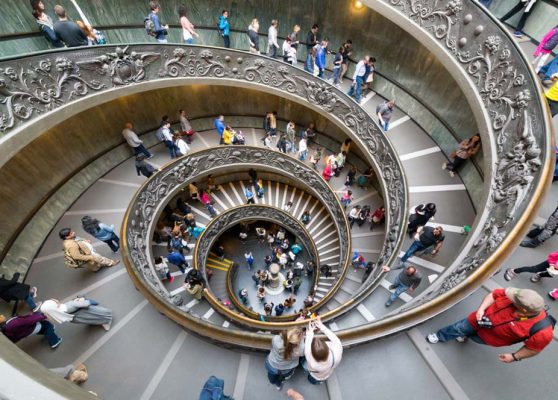
In 1913, the villa was acquired by Maurice Bergès, a French engineer, who initiated its restoration. This effort was furthered in 1925 by the American heiress Dorothy Chadwell Taylor, Countess Dentice di Frasso, who commissioned the renowned architect Marcello Piacentini to oversee the restoration. Piacentini’s work included the construction of a new spiral staircase, blending modern elements with the villa’s original Renaissance style.
In 1941, Dorothy Chadwell Taylor donated Villa Madama to the Italian government. It became a prestigious venue for diplomatic events and official receptions, reflecting Italy’s cultural heritage. The villa continues to serve as a representation site for the Ministry of Foreign Affairs, hosting significant international meetings and events, such as the signing of the new Concordat between Italy and the Vatican in 1984.
Visiting Villa Madama
Current Accessibility and Conditions
Villa Madama, an exquisite example of High Renaissance architecture, is primarily utilized as a representation venue by the Italian government, specifically the Ministry of Foreign Affairs. Due to its official function, the villa is not generally open to the public for regular tours or visits. Visitors should be aware that access is typically restricted to special events or official diplomatic functions, which means that the villa is not part of the standard tourist itinerary in Rome.
However, the villa’s exterior and its magnificent setting on the slopes of Monte Mario can be appreciated from a distance. The surrounding area offers a scenic view of the Tiber River and the cityscape of Rome, making it a worthwhile stop for those exploring the Foro Italico or nearby attractions. Visitors should plan their visit accordingly, as the villa’s status as a government property means that access can change based on official requirements.
Nearby Attractions and Itinerary Suggestions
While Villa Madama itself may not be accessible, the area around it is rich with other historical and cultural sites. The Foro Italico, known for its sports facilities and the iconic Stadio Olimpico, is nearby and offers a glimpse into Rome’s more modern architectural endeavors. Additionally, the Vatican City, with its vast array of religious and historical sites, is a short journey away, providing a comprehensive cultural experience.
Visitors interested in Renaissance architecture and history might consider a broader itinerary that includes other notable villas and palaces in Rome, such as the Villa Farnesina and Palazzo Farnese, both of which showcase the opulence and artistic achievements of the same era. These sites offer guided tours that delve into the rich tapestry of Rome’s history, providing context and depth to the architectural marvels of the period.
Practical Tips for Visitors
For those planning to explore the area around Villa Madama, it is advisable to check the latest access information and any potential restrictions due to its official use. Comfortable walking shoes are recommended, as the terrain around Monte Mario can be uneven and requires some walking to fully appreciate the panoramic views.
Given the villa’s proximity to other significant sites, visitors may find it beneficial to use public transportation or organized tours to navigate the area efficiently. While Villa Madama itself may remain elusive to the casual visitor, the surrounding region offers a wealth of experiences that capture the essence of Rome’s historical and cultural grandeur.