The Palazzo Senatorio, an emblematic structure located in Rome, stands as a testament to the city’s rich historical tapestry. Situated on the Capitoline Hill, this architectural marvel has served as the seat of the municipality of Rome since 1144, making it the oldest city hall in continuous use worldwide. The building’s origins trace back to the 12th and 13th centuries, constructed atop the remnants of the ancient Tabularium and the Temple of Veiove. Its Renaissance transformation was masterfully guided by the renowned artist Michelangelo Buonarroti and later by Giacomo Della Porta, who completed the majestic facade and interior enhancements.
The Palazzo Senatorio is a central piece of the Capitoline Museums complex, flanked by the Palazzo dei Conservatori and Palazzo Nuovo. Historically, it served as the residence of the Senator of Rome until the city’s annexation to the Kingdom of Italy in 1870. The building’s enduring legacy is not only reflected in its architectural grandeur but also in its role as a pivotal center for civic administration and cultural heritage. The Palazzo continues to be a symbol of Rome’s enduring governance and historical significance.
Description of Palazzo Senatorio
Palazzo Senatorio, an emblematic structure situated in the heart of Rome, offers a rich tapestry of architectural and artistic elements that captivate visitors. As the seat of the municipality of Rome since the 12th century, this historic edifice is not only a testament to the city’s enduring governance but also a showcase of Renaissance artistry and Roman architectural ingenuity. Visitors to Palazzo Senatorio can explore a variety of fascinating features, from the grand staircases designed by Michelangelo Buonarroti to the intricate frescoes and sculptures that adorn its interiors. The building’s strategic location on the Capitoline Hill provides panoramic views of the city, adding to the allure of this historical site.
Exterior Facade and Entryway
The facade of Palazzo Senatorio is a striking example of Renaissance architecture, characterized by its symmetrical design and the use of classical elements. The main entrance, accessible via a monumental double staircase designed by Michelangelo, sets the tone for the grandeur within. This staircase, flanked by statues representing the rivers Nile and Tiber, leads visitors to the main portal, which is adorned with intricate carvings and reliefs. The facade itself is punctuated by two orders of windows, providing a harmonious balance and rhythm to the structure’s exterior.
On the left side of the facade, an entrance marked by a column topped with a replica of the Capitoline Wolf offers an alternative access point. This secondary entrance is a reminder of the building’s historical significance and its connection to the legendary founding of Rome. The facade is further complemented by the presence of two tower-like buttresses, which not only add to the building’s aesthetic appeal but also serve a structural purpose, reinforcing the edifice against the passage of time.
The Tower of the Patarina
Rising above the Palazzo Senatorio is the Tower of the Patarina, a prominent feature constructed between 1578 and 1582 to replace a medieval tower destroyed by lightning. Designed by Martino Longhi the Elder, the tower is a testament to the architectural advancements of the late Renaissance period. Its brick structure is divided into three distinct levels, with the upper two levels featuring arched openings that house bronze bells dating back to the early 19th century.
The tower is crowned with a replica statue of Minerva-Roma and a lightning rod, underscoring the blend of artistic and practical considerations in its design. The epithet “Patarina” derives from a bell taken as spoils from Viterbo, symbolizing the complex historical and political narratives interwoven with the tower’s history. The bells of the tower are rung on special occasions, such as the election of the mayor and the celebration of Rome’s birthday, adding a ceremonial dimension to the structure’s function.
Interior Spaces: Aula Giulio Cesare
Inside Palazzo Senatorio, the Aula Giulio Cesare stands as a focal point for the city’s governance. This council chamber, named after the statue of Gaius Julius Caesar that dominates the room, is where the Assemblea Capitolina convenes. The room’s design reflects its importance, with high ceilings and walls adorned with flags representing Rome’s 22 districts. The presence of original columns from the palace’s loggia and marble crests further emphasizes the historical continuity of the space.
At either end of the room, statues of Julius Caesar and an unidentified Roman naval commander provide a visual anchor, while a mosaic from the 2nd century, sourced from a villa in Casal Morena, embellishes the floor. The Caesar statue, notable for its imposing size and craftsmanship, is believed to have originated from the Forum of Caesar and dates back to the 1st century BCE, offering visitors a tangible connection to Rome’s imperial past.
Artistic Treasures: Sala dell’Arazzo and Sala delle Bandiere
The Sala dell’Arazzo is named for its exquisite Flemish tapestry from the late 16th century, which serves as the room’s centerpiece. This space is utilized for various meetings and is further enriched by two paintings: “The Progenitors” by an 18th-century Venetian artist and “The Forge of Vulcan” by Leandro Bassano. The room also houses busts of the triumvirs of the Roman Republic: Carlo Armellini, Giuseppe Mazzini, and Aurelio Saffi, highlighting the room’s historical and cultural significance.
Adjacent to the Sala dell’Arazzo is the Sala delle Bandiere, a repository for numerous flags, including those from the 1960 Olympic Games and the civic guard established by Pope Pius IX in 1847. The room’s historical ambiance is enhanced by a grand ebony table used for significant municipal meetings, such as the first city council convened by Pius IX, and the triumvirate meetings during the Roman Republic. This space serves as a reminder of the city’s rich political heritage and its role in shaping modern governance.
Mayor’s Office: Torre di Niccolò V
The Mayor’s Office is located within the Tower of Niccolò V, a structure dating back to 1451. This office comprises two interconnected rooms: the primary office and a smaller meeting room, the latter offering views from a renowned balcony. The main office is adorned with a statue of an unidentified draped woman, possibly representing Fortuna or a regal figure, discovered in 1953 near the site of the Temple of the Sun.
Complementing the statue are six paintings, including a copy of Michelangelo Buonarroti’s portrait by Iacopino del Conte, and works by Domenico Fetti and other anonymous artists. These artworks, alongside the architectural features of the tower, provide a dignified setting for the city’s chief executive, reflecting the historical and cultural layers that define Palazzo Senatorio.
The Sala della Protomoteca
The Sala della Protomoteca is one of the most prestigious spaces within Palazzo Senatorio, accessed either from the building itself or via the Vignola staircase from Piazza del Campidoglio. This hall was originally designed to house a collection of busts of illustrious figures, which were relocated from the Pantheon to the Capitoline Hill in 1820. The room’s current configuration, established in 1949, integrates it with the Palazzo dei Conservatori, creating a seamless flow between the two structures.
Today, the Sala della Protomoteca serves as a venue for public ceremonies and press conferences, maintaining its role as a cultural and historical hub. The collection of busts within the hall continues to honor the legacy of notable individuals, offering visitors a glimpse into the city’s rich artistic and intellectual heritage.
The History of Palazzo Senatorio
The Palazzo Senatorio, a historic edifice located in Rome, stands as a testament to the city’s rich and complex history. Its origins date back to the 12th century, with significant transformations occurring over the centuries, reflecting the political and architectural evolution of Rome. The building has served as a central hub for municipal governance, witnessing numerous historical events and changes in power.
The Medieval Foundations (12th – 13th Century)
The origins of Palazzo Senatorio can be traced back to the 12th century, a period marked by the rise of the Comune di Roma. In 1144, the establishment of this self-governing body marked a significant shift in the city’s administration, moving away from papal control. The site chosen for the Palazzo was the Tabularium, an ancient Roman archive, and the ruins of the Temple of Veiove, strategically located on the Capitoline Hill.
During this era, the Palazzo began its transformation into a municipal building. The robust remnants of the ancient structures provided a solid foundation, allowing for the construction of a new edifice that would serve as the seat of the city’s governance. This period laid the groundwork for the Palazzo’s enduring role as a center of administrative power.
Renaissance Renovations (16th Century)
The Renaissance era brought significant changes to Palazzo Senatorio, with the renowned artist and architect Michelangelo Buonarroti commissioned to redesign the complex. Under the pontificate of Pope Paul III, Michelangelo’s vision included a grand staircase leading to the senatorial hall and a new façade that harmonized with the surrounding buildings on the Capitoline Hill.
Following Michelangelo’s death, Giacomo Della Porta continued the work, completing the façade and unifying the architectural elements of the Palazzo. This period marked the transformation of the building into a masterpiece of Renaissance architecture, reflecting the artistic and cultural revival of the time.
Modern Transformations and Preservation (19th – 21st Century)
In the 19th century, the Palazzo Senatorio underwent further modifications, adapting to the changing needs of the city’s administration. The unification of Italy in 1870 and the annexation of Rome as the capital brought new significance to the building, which continued to serve as the seat of municipal power.
In the 20th and 21st centuries, efforts have been made to preserve and restore the Palazzo, ensuring its historical and architectural integrity. The building remains a symbol of Rome’s enduring legacy, representing a continuous thread of governance and civic pride throughout the city’s tumultuous history.
Visiting Palazzo Senatorio
Approaching the Palazzo Senatorio
Located in the heart of Rome, the Palazzo Senatorio stands majestically on the Capitoline Hill, one of the city’s most historically significant areas. Visitors approaching the site will be greeted by the impressive Renaissance architecture, a testament to the genius of Michelangelo Buonarroti and Giacomo Della Porta. The building forms part of the Piazza del Campidoglio, which is a masterpiece of urban planning and design. This area, with its harmonious layout and elegant structures, offers a glimpse into the grandeur of Renaissance Rome.
As visitors ascend the grand staircase designed by Michelangelo, they will encounter the iconic statues of the Nile and the Tiber, flanking the central figure of the goddess Roma. This approach not only sets the stage for the historical significance of the palazzo but also provides a panoramic view of the surrounding architectural wonders, including the Palazzo dei Conservatori and the Palazzo Nuovo, which together form the Musei Capitolini complex.
Viewing the Palazzo Senatorio
While the Palazzo Senatorio serves as the seat of the municipal government of Rome, its exterior can be admired by all who visit the Piazza del Campidoglio. The façade, with its symmetrical design and classical elements, reflects the grandeur of its historical role as the center of Roman administration. Visitors can observe the Torre della Patarina, a notable feature of the palazzo, which houses the historic bells that have marked significant moments in the city’s history.
The site is a focal point for those interested in the rich tapestry of Rome’s past, offering a unique perspective on the city’s evolution from ancient times through the Renaissance. Although the interior is not open to the public, the surrounding piazza and its architectural ensemble provide ample opportunity for exploration and appreciation.
Nearby Attractions and Practical Tips
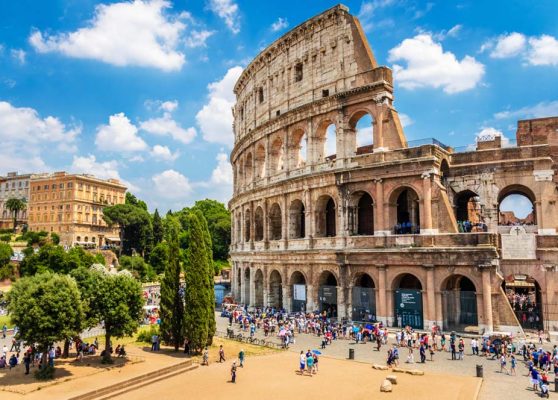
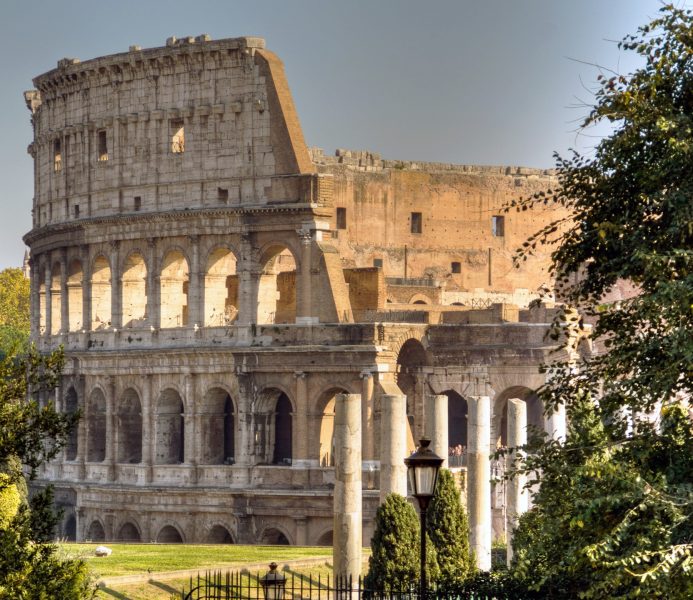
The Palazzo Senatorio is ideally situated for those wishing to explore the broader historical landscape of Rome. Visitors can easily incorporate a visit to the Musei Capitolini, which houses a vast collection of art and artifacts, providing deeper insights into the city’s storied past. Additionally, the nearby Roman Forum and Colosseum offer further opportunities to delve into the ancient world.
For a comprehensive experience, it is advisable to allocate sufficient time to explore the entire Capitoline Hill area. Comfortable footwear is recommended due to the cobblestone streets and the gentle inclines of the hill. While access to the interior of the Palazzo Senatorio is restricted, the surrounding sites offer a rich tapestry of history and culture, making it a must-visit location for any itinerary in Rome.